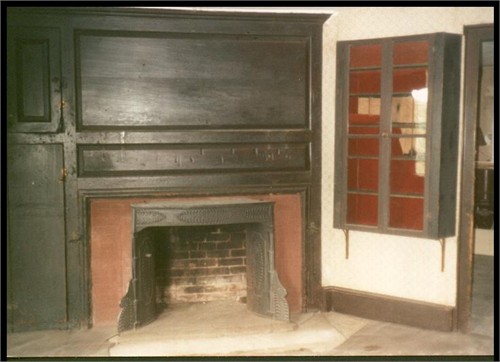
Paulus Martense Van Benthuysen

Paulus Martense Van BENTHUYSEN (1624 -1717) was Alex’s 10th Grandfather; one of 2,048 in this generation of the Shaw line.

Paulus Martense Van Benthuysen was born in 1624 in Rijnsburg diocese,  Benthuizen, South Holland, The Netherlands. His parents were Marten OEM and Margaret BOUQUET. He married Catalyntje Van KLEECK before 1661 in Albany, NY. Paulus died in 1717 in Albany, New York.

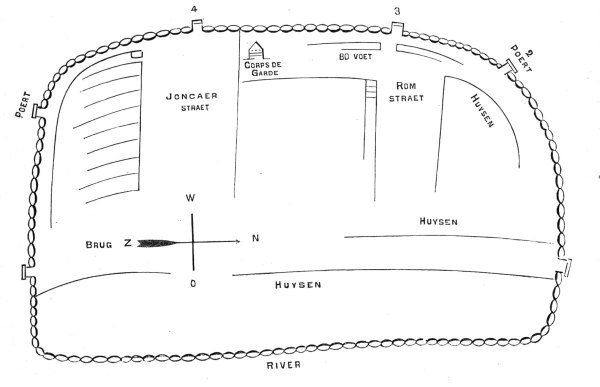
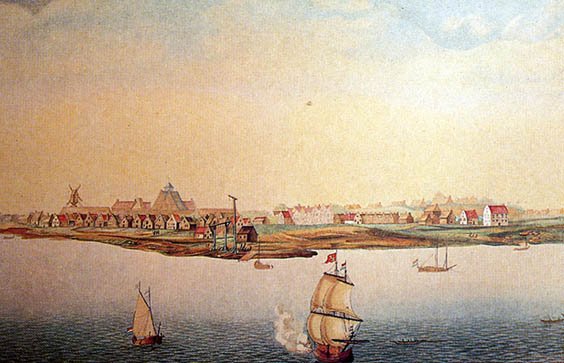
Paulus arrived in Albany about 1660. He lived on Market Street. The easternmost road running parallel to the river became Market and Court Streets. "Joncaer" became State Street. "Rom" became Maiden Lane.

Catalyntje Van Kleeck was born 18 Jan 1637 in Haarlem, New Holland, Netherlands. Her parents were Barent Baltus Van Der LIPSTADT and Mayken De GUYTER.  She emigrated with her parents about 1639. Catalyntje died 4 Feb 1705 or 23 Mar 1722 in Albany, New York.

Children of Paulus and Catlyntje:

Name Born Married Departed
1. Catrina (Catryntje) Van BENTHUYSEN 8 Mar 1661 Albany, NY Jacobus TURCK
1681
Albany, NY
4 Feb 1705 Albany, NY
2. Gertruy (Gertrude) Van Benthuysen 1663
Albany
[__?__] Becker
.
James Parker
.
Robert Teuwise Van Deusen
21 Aug 1718
Albany, NY
3. Barent Van Benthuysen 1664
Albany
Aaltje Elting
30 Apr 1699
Kingston, NY
.
Jannetie Aertson Van Wagenen
21 Apr 1701
Kingston, NY
.
Margaret Leg
7 Apr 1728
31 Mar 1723
Albany
4. Marten Pauluse Van Benthuysen 1670
Albany
Feitje Boorsboom
2 Jun 1696
Albany
31 Mar 1723
Albany
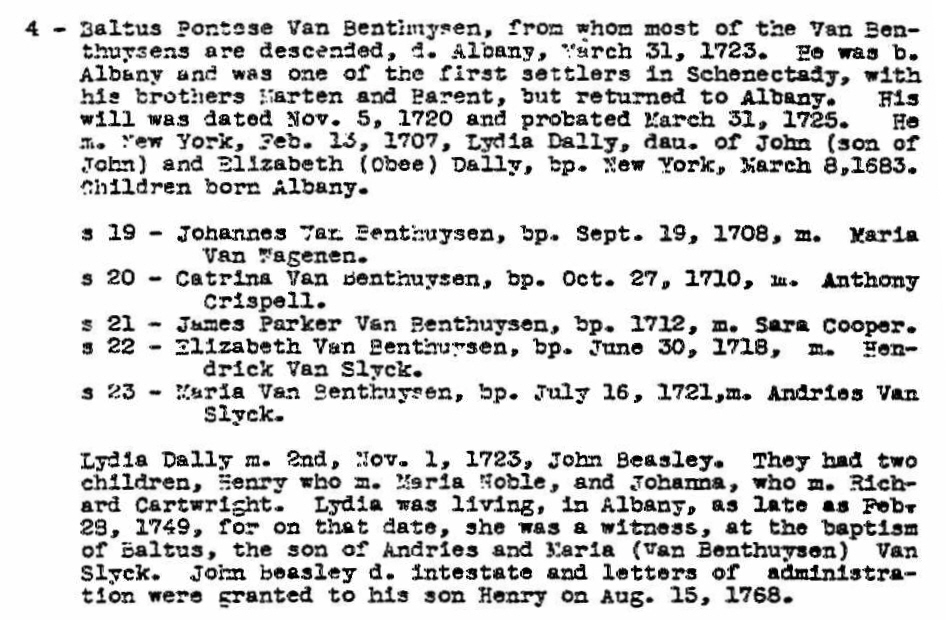
5. Baltus Pontese Van Benthuysen 8 Mar 1683
Albany
Lydia Dally
13 Feb 1707
New York City
31 Mar 1723
Albany
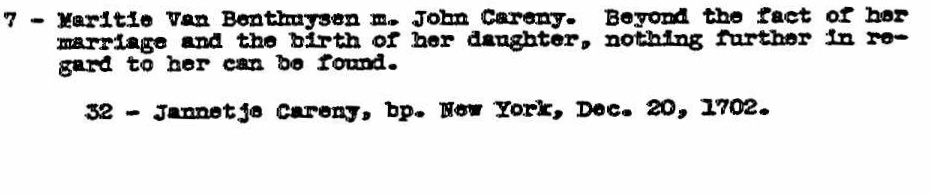
6. Maritie Van Benthuysen John Careny

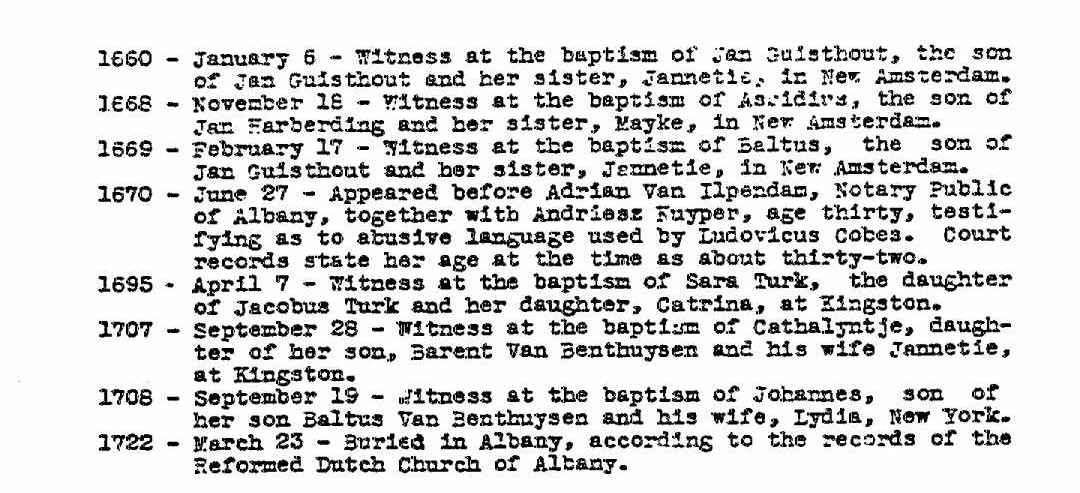
Paulus Martense arrived in New Netherland in before 13 August 1654. By the end of the decade, he had settled in Beverwyck (Albany)

About 1660, he married Catharina Van Kleeck of Flatbush. The marriage produced several children who survived to adulthood. He was a member of the Albany Dutch church.

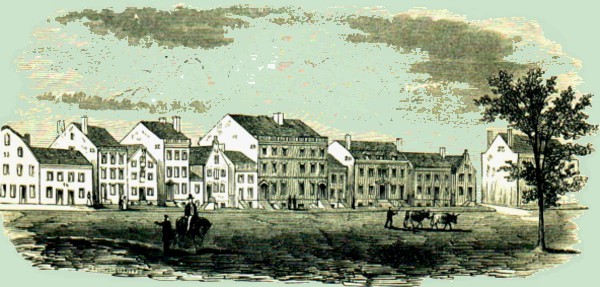
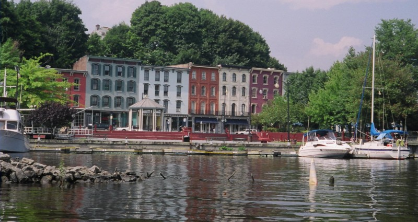
The streetscape shown above is a view of the east side of Market Street from the Lush-Brinkerhoff house north to Maiden Lane about 1805. Paulus Martense Van Benthuysen lived on Market Street over a hundred years eariler

He was known as a wheelwright and/or windowmaker. He lived at several locations in Albany and was an active buyer and seller of properties within the stockade. He lived on Market Street before he sold the property to Harme Gansevoort in 1677. In 1679, his name appeared on a census of Albany householders. In 1697, his household included Catharina and one child. Two years later, signed an oath pledging allegiance to the King of England. In 1702, his first ward house was assessed at ten pounds!

Catharina Van Kleeck probably was born in the Netherlands about 1639. She was the daughter of Barent Baltus Van Kleeck who emigrated to New Netherland and settled in Flatbush.

In March 1682, she was accused but cleared of a charge of accepting stolen goods from two “negroes” who, at that time, were before the Albany court.

In 1709, her name (“Cathalina V Benthuysen”) appeared on the first ward assessment roll. In December 1717, she was identified as the widow of Paulus Martense and was living in a house on the same street as her daughter, the widow of James Parker (Beaver and Green Streets). Catharina Van Kleeck Van Benthuysen died in March 1722 and was buried from the Albany church.

It is believed that Paulus Martense Van Benthuysen arrived in New York or New Netherland in 1654, when we have our first record of him. It is not known whether he settled in New Netherland or any other place before his arrival in Albany, NY in 1654. He married Catherine, a daughter of Barent Baltus Van Kleeck of Flatbush. Catherine was born in Holland about 1639 and came to America in 1654 with her father and his five other children. It is believed that he immigrated from near Haarlem, Holland. Paulus was a wheelwright and sashmaker during his early days in the colony. It is assumed that he had some social status as he was invited to the funeral of Jeremiah Van Rensselaer, Director of Rensselaerswyck Colony on 17 October 1674. He later engaged in farming and may have been involved in the Albany real estate field. He is shown in 1694 and 1695 as Inspector of Supplies for Albany County.

Paulus Martense Van Benhuysen probably was dead by 1709 when “Cathalina V Benthuysen” was listed on the assessment roll.”

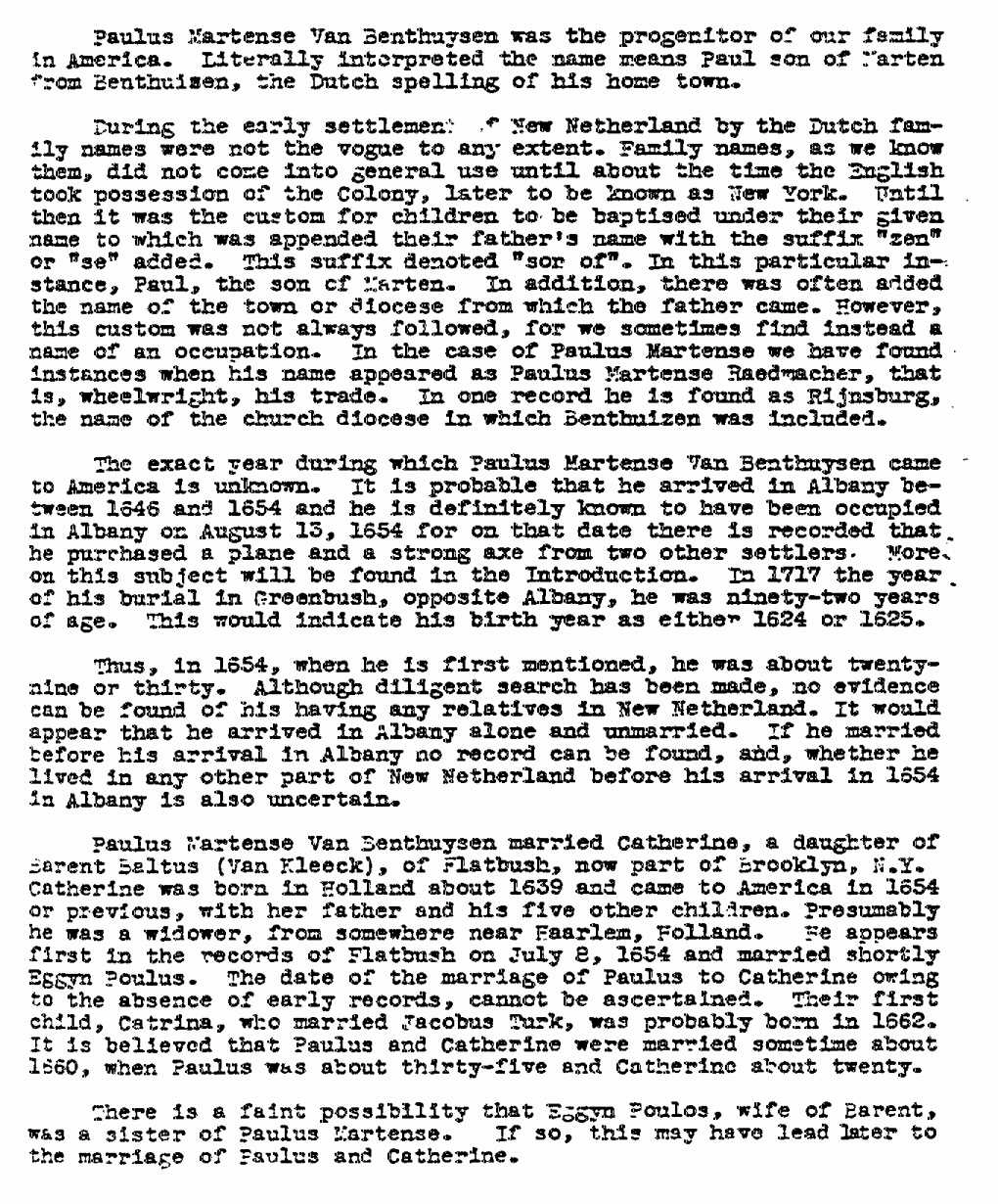
Paulus Martense Van Benthuysen - Bio 1

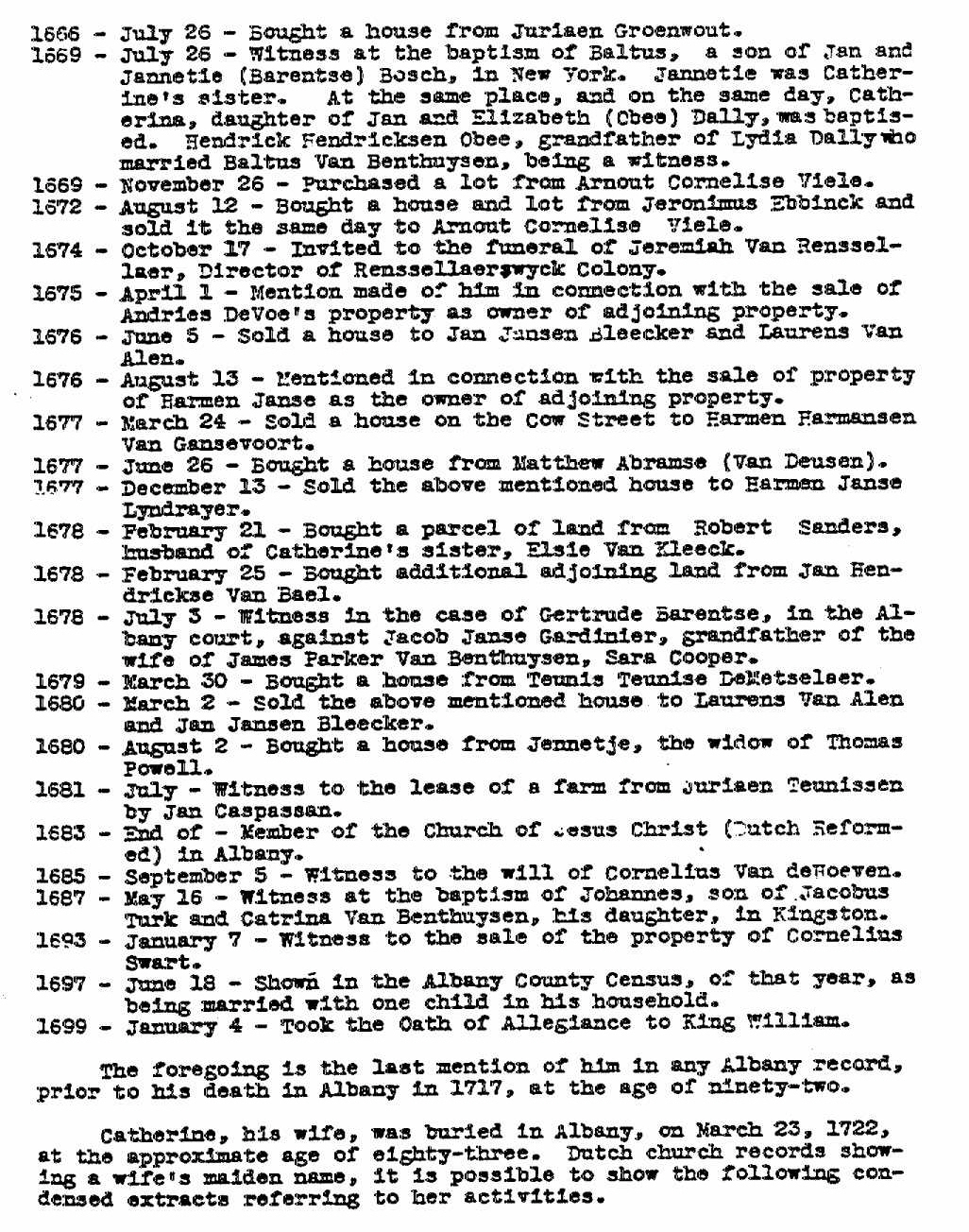
Paulus Martense Van Benthuysen - Bio 2

Paulus Martense Van Benthuysen - Bio 3


Paulus Martense Van Benthuysen - Bio 4


Children

Paulus Martense’s sons Baltus, Marten and Barent were some of the first fifteen settlers in Schenectady, New York.

Schenectady was first settled by Europeans in 1661 when the area was part of the Dutch colony of New Netherland. Settlement was led by Arent van Curler, a prominent figure in the colony who had emigrated from Nijkerk in the Netherlands, after purchase from the Mohawk Nation. The Dutch purchased additional land from the Mohawks in 1670 and 1672. In 1664 the English seized the Dutch colony and renamed it New York. Twenty years later (1684) Governor Thomas Dongan granted letters patent for Schenectady to five trustees.

On February 8, 1690, during King William’s War, French forces and their Indian allies attacked Schenectady by surprise, leaving 62 dead. American history notes it as the Schenectady massacre.

1. Catrina (Catryntje) Van BENTHUYSEN (See Jacobus TURCK‘s page)

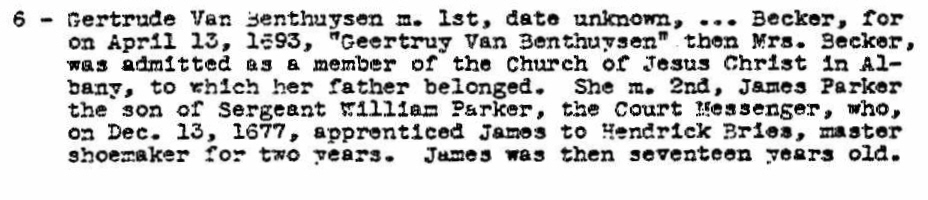
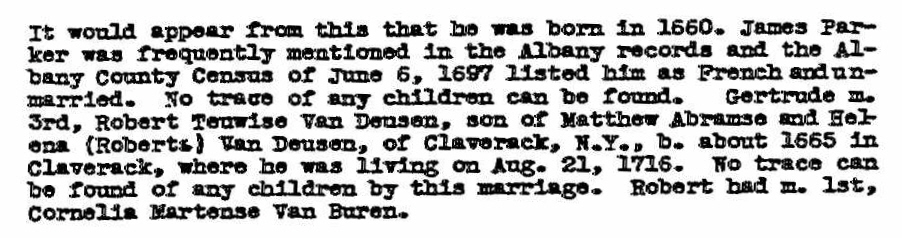
2. Gertruy (Gertrude) Van Benthuysen

Gertruy’s first husband [__?__] Becker was born

Gertruy’s second husband James Parker was born xx.  His parents were Sgt. William Parker and [__?__].

Gertruy’s third husband Robert Teuwise Van Deusen was born 1665 in Albany, Albany, New York. His parents were Teuwis Abrahamsen Van Deursen and Helena Roberts. He first married 22 Sep 1689 in Albany, New York to Cornelia Martense Van Buren (b. 1665 in Albany; d. 1717 in New York).

Gertrude Van Benthuysen - Bio 1

Gertrude Van Benthuysen - Bio 2


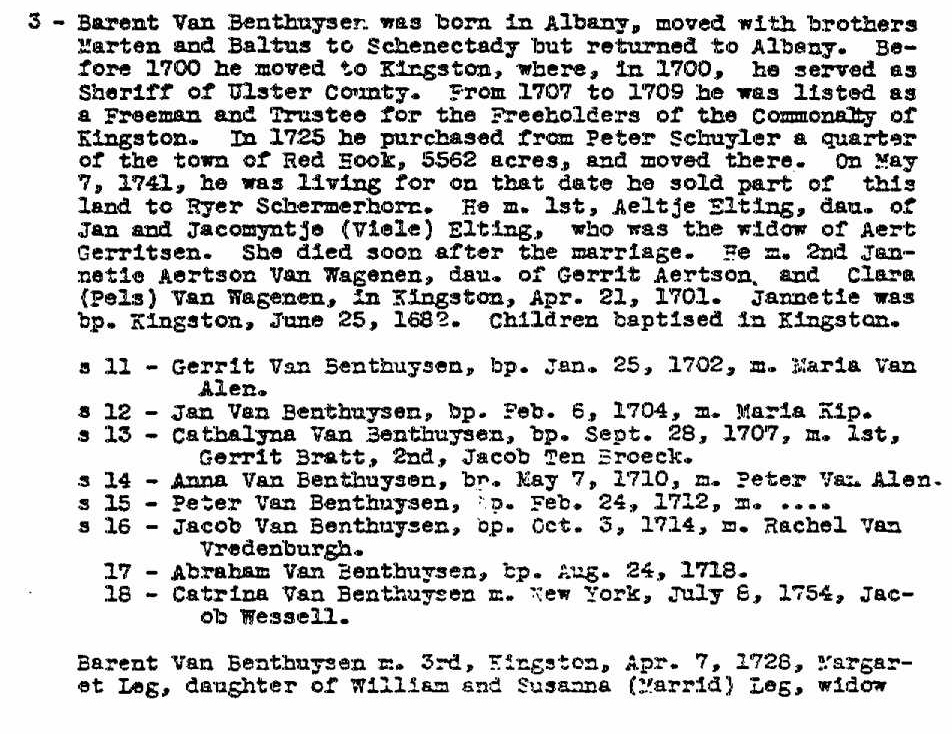
3. Barent Van Benthuysen

Barent’s first wife Aaltje Elting was born 1675 in Hurley, Ulster, New York. Her parents were Jan Elting and Jacomyntje Viele Slecht.  She first married 6 Oct 1695 in Kingston, Ulster, New York to Barent Van Wagenen b. 18 Apr 1675 in Kingston, Ulster, New York; d.17 Apr 1699 in Kingston, Ulster, New York.  Aaltje died 21 Apr 1701 in Ulster, New York

Barent’s second wife Jannetie Aertson Van Wagenen was baptized 25 Jun 1682 in  Kingston Dutch Church. Her parents were Gerrit Aertson and Clara (Pels) Van Wagenen. Jannetie died 1726 in Kingston, Ulster, New York.

Barent’s third wife Margaret Leg was the daughter of William Leg and Susannah Marrid.

Barent served as Sheriff of Ulster County in 1700.  In 1725 he purchased from Peter Schuyler a quarter of the town of Red Hook 5,562 acres and moved there.

Barent Van Benthuysen - Bio Source: The Van Benthuysen genealogy : descendants of Paulus Martense Van Benthuysen, of Benthuizen, Holland, who settled in Albany, NY

4. Marten Pauluse Van Benthuysen

Marten’s wife Feitje Boorsboom was the daughter of Pieterse Jacobse Boorboom.

Marten served as Captain in Harmon Van Slyck’s Second Foot Company during the Indian Wars.

Marten’s daughter Catryntje (Catrina) Van Benthuysen married Isaac Truax 1719 in Schenectady Reformed Church, Schenectady, New York, not Jacobus TURCK‘s wife of the same name.

Marten Pauluse Van Benthuysen Bio

5. Baltus Pontese Van Benthuysen

Baltus’ wife Lydia Dally was born 8 Mar 1683 in New York. Her parents were John Dally and Elizabeth Obee. Lydia died 1753 in Albany, New York.

Baltus Van Benthuysen - Bio

6. Maritie Van Benthuysen

Maritie’s husband John Careny was born about 1673 in Albany, New York.

Maritie Van Benthuysen - Bio

Sources:

http://trees.ancestry.com/owt/person.aspx?pid=34836048

http://www.nysm.nysed.gov/albany/bios/vb/pamvbt.html

The Van Benthuysen Genealogy, by Alvin Seaward Van Benthuysen and Edith M. McIntosh Hall, published in 1953 by Wilson Engraving and Printing Company, Clay Center, Kansas

http://search.ancestry.com/Browse/BookView.aspx?dbid=15197&iid=dvm_GenMono000629-00008-1

Posted in 12th Generation, 90+, Immigrant - Continent, Line - Shaw, Public Office | Tagged | 6 Comments

Barent Jacobsen Kool

Barent Jacobsen KOOL (1610 – 1676) was Alex’s 11th Grandfather; one of 4,096 in this generation of the Shaw line.

Barent Jacobsen Kool was born 10 MAY 1610 in Niewe Kirk, Amsterdam, Noord-Holland, Netherlands. His parents were Jacob Barentsen KOOL and Aeltje DIRCKSE. He married Marretje Leenderts  DeGRAUW in 1637 in Kingston,  New York.  Barent died in 1676 in Kingston, Ulster County, New York.

Barent Jacobsen Cool sailed to New Amsterdam, possibly from Amsterdam as a sailor in late 1632 on the ship Soutberg, which arrived in April 1633 with 140 soldiers. At that time, New Amsterdam, now New York City, had a population of only 400 to 500 people.

Marretje Leenderts DeGrauw was born in 1617  in Aalsmeer, Noord, Holland, Netherland. Her parents were Leendert Arentsen DeGRAUW and Leuntie Albertse LYDECKER.  Marretje died in 1670 in Kingston, Ulster County, New York.

Children of Barent and Marretje:

Name Born Married Departed
1. Jacob Barensten Cole 25 Sep 1639
Kingston, Ulster County, New York
Marretje Symons Schepmoes (Daughter of Sijmon FLORISZEN)
Aft. 1660
Kingston, NY
1719 Kingston, Ulster, New York
2. Aeltje Barentse KOOL (Cool or Coel) 23 Sep 1640
New Amsterdam NY
Paulus Jacobszen TURCK
2 Sep 1660 New Amsterdam
1693
New York City
3. Dievertje (Deborah) Jacobszen Kool 1 Feb 1642/43
New City, Rockland, New York
 1690?
4 Apollonia Barents Kool (Cole) 29 Jan 1645
Esopus, Ulster, New York
Willen Isacsen Van Vredenburg
19 Oct 1664
Kingston, NY Dutch Reformed Church
1721
Rhinebeck, Dutchess, New York
5. Leendert Kool 1 Dec 1647
New Amsterdam
Marretje Cornelis (Della) Van Dort
1670 in Kingston, Ulster, New York
28 Sep 1735
Kingston, New York
6. Arent (Aaron) Kool (Cole) 9 Oct 1650
New Amsterdam
1651
New Amsterdam
7. Theunis Kool 17 Aug 1653
Manhattan, Kings, New York
Marretje Gerrits (widow)
12 Jan 1676
.
Willemje De Lange
(Daughter of Adrianus Franciscusz De LANGET)
22 Nov 1696 in Kingston, Ulster, New York
c. 1715
Kingston, Ulster, New York
8. Barent Jacobsen Kool (Cole) 19 Jan 1655
New Amsterdam
1719
Kingston, NY
9. Pieter Kool (Cole) 29 Aug 1657
Kingston, NY
Henrica Jans
New York City
3 Nov 1680
.
Jannetje Dingman Kingston
5 Feb 1688
1720
Hackensack, NJ

This family’s name in Holland was Kool.  After the surrender of 1664 it passed into Cool.  Persistent mispronunciation of it from the time of this change compelled the family to adopt the spelling used at today (Cole).

From “The Barent Jacobsen Cool Family,” Richard H. Benson, Newbury Street Press, Boston, 2001.

Barent Jacobsen Cool sailed to New Amsterdam, possibly from Amsterdam as a sailor in late 1632 on the ship Soutberg, which arrived in April 1633 with 140 soldiers. At that time, New Amsterdam, now New York City, had a population of only 400 to 500 people.

On June 8, 1633, Barent and six others signed a treaty with the Sickename Indians [Note: this purchase is the only reference to this tribe name] for purchasing land on the Connecticut River. The cost was recorded as 27 rolls of cloth, 6 axes, 6 kettles, 18 knives, and other articles. This was done to halt English exploration of the land. Barent’s group also built a trading house called “The House of Good Hope” and fortified it with several cannons.

Barent returned to Amsterdam by November 16, 1635. At that time, he and a gold wiremaker named Jacob Hanssen lodged a complaint about withholding pay from officers of the West India Company returning to Amsterdam on the ship Eendracht against Lubbert van Dincklagen, the former sheriff of New Netherland. Van Dincklagen said it was part of dispute with the director-general of the colony, Wouter van Twiller.

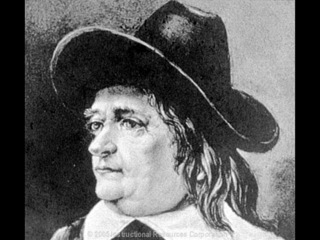
Wouter von Twiller (c. 1580 – 1656)

Barent sailed on the ship Den Dolphyn to New Amsterdam in early 1638 with his father-in-law, Leendert Arentsen DeGrauw. It is presumed that his wife and her brothers and sisters were also on board. On April 19, 1638, the crew of the Den Dolphyn made a formal complaint to the provincial secretary about how the ship leaked during the voyage and that the captain had not provided enough food for the passengers. Barent and DeGrauw testified that several children belonging to Jan Schepmoes and his wife didn’t receive enough food.

Barent later was captain of the yacht Amsterdam between 1638 and 1644. He sailed on the Hudson River and was a river pilot for other boats.

On April 13, 1654, Barent became a wine and beer carrier for the Dutch West India Company. He watched the company warehouse and was appointed by the New Amsterdam burgomasters as an exciseman. He, along with Joost Goderus, boarded ships in New Amsterdam, searched their contents, and levied duty on the goods they found. On September 21, 1663, Barent was appointed as a public porter and was elected foreman (Elder of the Beer Porters) on July 17, 1665.

On April 14, 1657, he was enrolled as a burgher of New Amsterdam and took an oath of allegiance to the city authorities, the States-General of the United Netherlands, and the Dutch West India Company and its director-general. After the surrender of New Amsterdam to the English in September 1664, Barent took an oath of allegiance to the king of Great Britain.

Barent and his family lived in house that was owned by the West India Company. This house was on Brough (Bridge) Street.

Here is today’s Google Maps Street View of Bridge Street

In 1668, the governor conferred title of Barent’s father-in-law’s land to him. This lot was on Broadway, just south of Wall Street across from the south yard of Trinity Church.

Click Here for today’s Street View of  Broadway just south of Wall Street

The last known record of Barent Jacobsen Cool is at the baptism of his grandson in New York, dated October 21, 1671, in which he is listed as a sponsor.

Early Germans of New Jersey by Chambers.

He was in New Amsterdam in the employ of the Dutch West India Company. Barent’s family was one of the five families living, June 8, 1633, on Bridge Street in New Amsterdam. Barent was a Dutch government representative with the Dutch West Indies Company He was a very respected man.

Children

1. Jacob Barensten Cole

Jacob’s wife Marretje Symons  may have been born in 1640 in Kingston, Ulster, New York. Her parents were Symon Symonse Groot and Rebecca Du Trieux.  Marretje died 1 Jan 1673 in Kingston, Ulster, New York.

Alternatively, Marretje Simons Schepmoes was baptized 12 October 1632 in the Nieuwkerk (New Church), Amsterdam, North Holland, Netherlands to Sijmon Floriszen and Claertje Arents.  Another way to record her parents is Symon Florizen GROOT (1602 – 1699) and Claertje Arents or Rebecca De TRIEUX (1607 – 1689).  She had four sisters, Lijsbet, Machtelt, Marij (who probably died young), and Jannetje, and three brothers, Floris, Arent (who probably died young), and Arent.

She seems to have arrived from the Netherlands as an indentured servant to Pieter Pietersen Harder “in the city of New Amstel, on the South River”.

Evert PELS, the husband of her sister Jannetje, paid for the remainder of her indenture in 19 February 1659. The Cools lived in Wildwyck/Esopus (now Kingston, Ulster, New York) where he worked for Juriaen Westfael, a farmer, and Marritje also worked, probably as a laundress. They moved to New Amsterdam (New York City) in 1667, where Jacob became a porter in the Weigh house and a beer and wine carrier like his father. By 1689, they had returned to Ulster County, where Jacob took an oath of allegiance.

Children of Jacob’s and Marretje

  1. Symen Kool, born in Kingston, Ulster, New York, baptized 27 Mar 1661 in Kingston, Ulster, New York, m1.  Anna Hendrix 2 Oct 1681 in Hurley, Ulster, New York, m2. Belitje Pieters Wybersson;
  2. Barent Cool, bapt. 18 Nov 1663 in Kingston, Ulster, New York, probably died before 1665;
  3. Barent Cool, bapt. 1 Feb 1665 in Kingston, Ulster, New York, probably died between 1666 and 1668;
  4. Arent Cool, bapt. 7 Mar 1666 in Kingston, Ulster, New York;
  5. Marritje Jacobs Cool, b.  Kingston, Ulster, New York, bapt. 7 Mar 1666 in Kingston, Ulster, New York, m. Johannes Jurian Westfall 28 Jan 1683 in Kingston, Ulster, New York;
  6. Barent Cool, bapt.d 4 Nov 1668 in New Amsterdam, m. Margriet Obe;
  7. Claertie Cool, baptized 21 Oct 1671 in New Amsterdam; and Jacob Kool, bapt. 1 Jan 1673 in New Amsterdam.

    2. Aeltje Barentse KOOL (See Paulus Jacobszen TURCK‘s page)

    4. Apollonia Barents Kool (Cole)

    Apollonia’s husband Willen Isacsen Van Vredenburg was baptized 1 Jan 1637 at Kloosterkerk, The Hague, Netherlands. His parents were Isack Willemsz Van Vredenburg and Cornelia Jans. Willem died in 1703 in Rhinebeck, Dutchess, New York,

    5. Leendert Kool

    Leendert’s wife Marretje Cornelis was born 1651 in Kingston, Ulster, New York. Her parents were Cornelisz Hendricksen Van Dort and Magdelena Dirksen Volkertsen. Marretje died 1699 in Hurley, Ulster, New York.

    Leendert lived in Marbletown, 7 miles southwest of Kingston. He owned and mortgaged several properties at Monbackus, now the town of Rochester. He was listed on the tax lists until February 1728.

    Cole, Rev. , Isaac Kool (Cool or Cole) and Catherine Serven, New York: John F. Trow & Son (1876), p. 25:

    “On page 26 of Book of Deeds AA in CountyClerk”s Office at Kingston, also on pages 70 and 266 of the same volume, and again on page 404 of Book BB, are found deeds of land sold by this Leendert Kool to different individuals. The first of these deeds is dated Feb. 18, 1685, and the last is after 1700. In them he styles himself Leendert Kool, and calls his wife Mary. The deed show that his residence was at Marbletown in Ulster County, about seven miles from Kingston, but he attended church at thelatter place. In these deeds his name is spelled in several different ways,among which are found Coule and Colle, as well as Cool and Kool. “I may adhere that possibly Leendert Cool and Marretje Della, who were stated . . . to have had a son Cornelis baptized in New York, April 18, 1694, may have been Leendert Cool and Marretje Cornelis. If so, the wife’s full name was Marretje Cornelis Della. Della appears, however, nowhere else in the many occurrences of her name.”

    7. Theunis Kool

    Theunis’ first wife Marretje Gerrits (widow), was born 1655 in Kingston, Ulster, New York. Marretje died 1696 in Ulster, New York

    Theunis’ second wife Willemje De Lange was born in 1679 in Kingston, Ulster, New York. Her parents were Adrianus Franciscusz De LANGET and Rachel Jansen PIER. Willemje died in 1716 in Kingston, NY.

    He was a member of the Albany Dutch Reformed Church. He Leased a farm in Columbia County in 1685.

    Cole, Rev. , Isaac Kool (Cool or Cole) and Catharine Serven, New York: John F. Trow & Son (1876), p. 26:

    “Theunis married Marretje Gerrits (widow), Jan. 12, 1676. In the New York Record the husband is entered as Theunis Barentsen Kool. No children of this pair are found on New York or Kingston records. At a later period, I find one Theunis Kool at Kingston, his name having probably come from this Theunis. My impression is that Theunis Barentsen Kool was the ancestor of the line of “Kools” now existing in Hunterdon and Somerset Counties, N.J. Very many Kools appear on the records of the Readington, N.J. Reformed Church, from its organization in 1719 till now. They have been very fond of the name Theunis and are known to be of the Holland Kools. No doubt this ancestor settled in that part of the country, as, after his marriage he cannot be found either in New York or Kingston.” Baptismal and Marriage Registers of the Old Dutch Church of Kingston: Teunis Kool, widower of Marritje Gerrits, born in N. Jorck, and Willemje Langen, j.d., born under the jurisdicdtion of Kingston, both resid. in Kingstown. Banns published, but dates not given. 2 Married: 22 Nov 1696 in Kingston, New York.

    9. Pieter Kool (Cole)

    Pieter’s first wife Hendrickje Jans was born 1660 in Kingston, Ulster, New York. Her parents were xx. Henrica died in 1688 in Kingston, Ulster, New York.

    Pieter’s second wife Jannetje (Yanneke) Dingman was born 1670 in Kinderhook, Columbia, New York. Her parents wereAdam Dingman and Aeltie Jacobse Gardenier. Jannetje died in 1726 in Kinderhook, Columbia, New York.

    Pieter bought 170 acres of land on the north side of Rondout Kill in Ulster County in 1685. Moved to Hackensack, NJ and then to Albany, NY. He was one of the first settlers on the Livingston Manor where Roeliff Jansen Kill flows into the Hudson River. He was a charter member of the Linlithgo Church at Livingston Manor. Peter and Jannetje Kool were among the original settlers of Hackensack, NJ (New York Genealogical and Biographical Record, Vol. VII, No. 2, Apr. 1876)

    Cole, Rev. , Isaac Kool (Cool or Cole) and Catharine Serven, New York: John F. Trow & Son (1876), p. 26:

    “Pieter married Henrica Jans in New York Nov.3, 1680, and afterwards Jannetje Dingman at Kingston, Feb. 5, 1688. In the entry of the New York marrige he is called Pieter Barentsen Kool. In the entry of the later marriage at Kingston he is put down as “Pieter B. Kool of Kinderhook.” He had seven chiildren, viz. Johannes, Barent, Pieter, Adam, Willem, Marretje, and Andries. With their baptisms, the father’s name is in one place entered as Pieter Barentsen Kool, and in all other places as simply Pieter Kool. He seems to have lived at one time in Kingston, at another time at Kinderhook, and in the latter part of his life at Hackensack, N.J. The first five children were baptized at Kingston, and the last two at Hackensack. The dates range from Aug. 28, 1681, to March 4, 1705.”

    Sources:

    http://trees.ancestry.com/owt/person.aspx?pid=121325488

    http://trees.ancestry.com/tree/17861873/person/566812825

    http://dgrawrock.tripod.com/dwg%20site%20one-p/p95.htm

    http://westfall55.com/relfam6a.html

    Cool Barent Jacobsen, Family By Richard H. Benson 2001, Newbury Street Press., 498pp. Hardcover.

Posted in 13th Generation, Immigrant - Continent, Line - Shaw, Public Office, Sea Captain, Storied | Tagged , , , | 45 Comments

Paulus Jacobszen Turck

Paulus Jacobszen TURCK (1635 – 1703) was Alex’s 10th Grandfather; one of 2,048 in this generation of the Shaw line.

Paulus Jacobszen Turck was born in 1635 in Den Haag, Zuid Holland. He was baptized  on 31 Oct 1637 in Princehagen, Noord Brabant, Netherlands.  His parents were Jacobus TURCK and Sarah JANS. He married Aeltje Barentse KOOL on 12 Sep 1660 in New Amsterdam. NY. In 1686, Paulus and Aeltje were living on Brede Weg (today’s Broadway) Paulus died in May 1703 in New York, NY.

Paulus' Great Grandfather Pascasius Justus Turcq wrote the first book ever about gambling adiction in 1651 at the University of Pavia

Aeltje Barentse Kool (Coel) was born 23 Sep 1640 in New Amsterdam NY. Her parents were Barent Jacobsen KOOL and Marretje Leenderts  DeGRAUW. Aeltje died in 1693  New York City.

Children of Paulus and Aeltje:

Name Born Married Departed
1. Jacobus TURCK born Kinderhook NY
baptized
4 Dec 1661 in the New Amsterdam Dutch Church, NY
Cathryntje Van BENTHUYSEN
1681
Albany, NY
.
Teuntje  Janse Goes Winne
27 Oct 1705 Albany, NY
24 Mar 1711 in Albany, NY
2. Paulus Turck Jr 13 Jul 1664
New Amsterdam
Marretje Rijerse Martens
21 Apr or 16 May 1688 Brooklyn, Kings, NY
May 1703
New York City
3. Marijken (Maryken) Turck 5 Dec 1666 New Amsterdam Abraham Kermer
17 Dec 1684
New York City
4. Sara Turck 27 Feb 1669
New York City
5. Helena Turck 22 Mar 1671
New York City
Johannes Borger (Burger)
2 Oct 1691
New York City
6. Augustinus Turck 2 Jul 1673 New York City
7. Anna Elisabeth Turck 12 May 1675
New York City
8. Saertie Turck 11 Jul 1677
New York City
9. Sara Turck 14 Aug 1678
New York City
William Roome
13 May 1714 – New York City
25 Jan 1736
10. Cornelis Turck 20 Sep 1679
New York City
Lysbeth Van Schaick (Schayk)
3 Dec 1702
New York City
1 Nov 1727
Ulster, NY
11. Johannes Turck 1 Apr 1682
New York City
Annetje Cornelis Kuijper
10 Sep 1706
New York City

Baptismal records of Princenhage, North Brabant, Netherlands; witnesses were Paulus TURCQ , Secretary of Princen-land and Cornelia Van STREYEN, his paternal grandparents. No baptisms for siblings were found in the record.

Paulus was a member of the Dutch West India Company.

The West India House in Amsterdam, headquarters of the GWC from 1623 to 1647.

A combination of an extraction project of the TURK Surname Society, focusing on New York State, along with the Y-DNA results of a couple of TURK Surname Y-DNA project members, who relate as seventh cousins and descend from Paulus Jacobszen TURCK (1635-1703), have seemingly identified this lineage’s Haplogroup, which has been confirmed by an SNP as G2. FTDNA defines the G2 Haplogroup as:

This lineage may have originated in India or Pakistan, and has dispersed into central Asia, Europe, and the Middle East. The G2 branch of this lineage (containing the P15 mutation) is found most often in Europe and the Middle East.

Paulus migrated from the Netherlands to New Amsterdam, where he married in 1660. He was known as His High and Mightiness from the Dutch West India Trading Company. His lineage has been traced to Pascasius Justus TURCQ (1531-1584), who was associated with first Flanders and then Noord Brabant. Chronology, geography and Y-DNA seem to suggest that the origin of this branch of the TURK surname is grounded in the Spanish Netherlands with genetic roots reaching into Moorish Spain. The year 1500 is frequently associated with the rather general emergence of surnames in Western Europe. The terms “Turk” and “Moor” were frequently used interchangeably. It seems plausible that this is the root origin of the early New York Turk family name.

Dutch Ancestors

Parents
Jacobus Turck b: ABT 1614 in , Princenhagen, Noord Brabant, Netherlands
Sarah Jans b: ABT 1616 in , Leiden, Noord Brabant, Netherlands

Grandparents
Paulus Turck b: 1563 in Dinteloord En, Prinsland, Noord Brabant, Netherlands
Cornelia Van Stryen b: ABT 1566 in Dinteloord En, Prinsland, Noord Brabant, Netherlands

Great Grandparents
Pascasius Justus Turcq b: 1531 in , Eeklo, Oost-Vlaanderen,  Flanders (Belguim)
Elisabeth Van Sevenhoven b: ABT 1545 in , Bergen Op Zoom, Noord Brabant, Netherlands

Pascasius Justus Turcq  was a physician in Bergen op Zoom.  He first married  Cornelia Velters after 1591 in Flanders. They had two children:
1. Israel continues with II
2. Joos [derived from Latin: Justus] secretary of Wouw [North Brabant, Netherlands]

He next married  Elisabeth van Sevenhoven

Pascasius Justus Turcq wandered through Europe and studied literature at the unversities of Rome, Bologna, Padua, and Pavia. In his time he was known a gifted and civilized man, a perfect humanist. He was often seen as a guest at the royal courts of Europe. In Pavia, in the year 1561 he wrote his best known book: Pascasii Justi de Alea, sive de curanda ludendi in pecuniam cupiditate (The game of dice by Pascasius Justus from Eeklo, Doctor of Philosophy and Medicine, being two books discussing a way to cure people from the passion of playing for money). The book was printed in Basel Switzerland, reprinted in 1616 in Frankfurt Germany  and again in Amsterdam in 1642.

After writing this book, he took up residence in Bergen op Zoom and was subscribed to the Guild of St. Anthony. There he became court-physician of Jan IV, marquis of Bergen op Zoom. From October 28, 1562 he also was designated “Master of Medicine of the City”. Still later he became the court-physician of the Duke of Anjou-Alencon, an ally of prince William of Orange. When the latter got severely wounded in an assasination attempt by Jean Jaurequy on March 18, 1582, Turcq was able to stop the Prince’s bleeding. From that time on he was on a friendly basis with Prince William. This friendship didn’t last very long: In 1584, Balthazar Gerards was succesful in an attemt to assassinate the Prince.

Psychoanalysts such as Sigmund Freud were not the first ones to offer a purelymedical explanation of ‘problem gambling’. Indeed, as early as 1560, Pascasius Justus Turcaeus, a humanist and physician from Eeklo, a small town in Flanders (Belgium),wrote the very first medical monograph on compulsive gambling. The work, first issued by Joannes Oporinus at Basel in 1561, was entitled Alea, sive de curanda ludendi in pecuniam cupiditate. The title clearly reveals the author’s intentions. Contrary to the moralizing discourse of contemporary clerics who considered gambling indicative of man’s greed, Pascasius offers a medical explanation of the socially disruptive phenomenon and, consequently, proposes a medical treatment for those people who find themselves afflicted by the disease.

Pascasius’ diagnosis was firmly rooted in a humoral theory that was heavily dependent upon Aristotle’s and Galen’s writings. Compulsive gambling is regarded as a passion or mental disturbance that results from both a hot or sanguine temperament and melancholy. Despite his insistence on the physiological cause of compulsive gambling, Pascasius did not propose a medical treatment based on the prescription of a proper diet or the administration of special drugs. Rather he drew heavily on ancient moral writings – including Galen’s – to devise a detailed psychotherapy which depended first and foremost on the application of cognitive strategies. According to Pascasius, persuasive words were needed to dispel the wrong opinions that created and maintained a gambler’s mental disorder.

Pascasius’ medical fame rests almost entirely on his discovery of compulsive gambling
as a mental disorder requiring psychotherapy; his treatise Alea was the only work he ever published. However important his discovery may have been, it did not suffice to
protect his name completely against the ravages of time. He is not mentioned in any
modern dictionary of scientific or medical biography. No attention is paid to him in
overviews of the history of medicine in the Low Countries. On the other hand, his
intellectual achievement attracted a considerable amount of interest in the early modern
period. Together with a number of other, admittedly more theological and legal tracts on
gambling, his treatise was issued again in 1617 by Johann von Münster. A third edition,
published by Lodewijk Elzevier in 1642, was prepared by the Dutch humanist Marcus
Zuerius Boxhernius and dedicated to the physician Justus Turq, a descendant of
Pascasius’s. Moreover, his work was eagerly read and lavishly pillaged by the French
ecclesiastical author Jean-Baptiste Thiers for his moralizing treatise on games of 1686.
But when, at the beginning of the twentieth century, behavioural scientists started to
show a new interest in the medical background of ‘problem gambling’, Pascasius’s
treatise had already fallen into almost complete oblivion.

Before the publication of his treatise Pascasius left Italy and started a career as the personal physician of John IV of Glimes, marquis of Bergen-op-Zoom. John played a leading role in the opposition of the Netherlandish nobility against Granvelle, king Philip II’s ‘minister’ in the Low Countries. As early as 1542, Pascasius, a member of the local gentry, undertook a long travel which led him to several courts and academic centres in France, Spain, and Italy. Probably in or around 1552, he left Spain for Italy, where he attended the universities of Rome, Bologna, Padova, and Pavia successively in order to devote himself to literature and study both philosophy and medicine.

It is most probably at the university of Pavia that he obtained his doctoral degree in medicine. During his stay in Pavia, he met Philip of Marnix, better known as Marnix of Saint-Aldegonde, who was to play a crucial role in the secession of the Northern Netherlands from Spain. Philip even wrote a preliminary poem in Greek for his treatise on gambling.

Pascasius’ decision to study medicine at the university of Pavia was certainly not strange or whimsical. It should be stressed that, by the time he arrived there, the Studium generale Ticinense had lost quite a bit of its previous glory and appeal to foreign students as a result of the ongoing wars which started in 1494 and culminated in 1525 in the sack of the town and the temporary closure of the university. However, it opened its doors again in 1531/1532 and slowly but steadily recovered at least partly from the damage done. In the second half of the sixteenth century, the university continued to attract a considerable amount of students from beyond the Alps, most of whom admittedly came to Pavia to study law. Just ranking behind Bologna and Padua in the fifteenth century, Pavia fell to a middle-rank position among Italian universities in the second half of the sixteenth century, especially in arts and medicine.

This is not to say that the medical teaching which Pascasius received was provincial and antiquated. The medical curriculum in Pavia, as at other Italian universities, remained of course largely based on the medieval canon of authoritative texts written by Aristotle and
Galen. Traditionally, these texts were commented upon in quaestiones and disputationes which were primarily aimed at solving discrepancies by making use of a strictly scholastic method of reasoning according to Aristotelian logic. This system remained more or less intact in the course of the sixteenth century. Yet, medical education did change considerably at that time.

Pascasius’ work contains two parts, the first one being devoted to a careful diagnosis of the medical problem of gambling, the second one suggesting an adequate therapy. Although the analysis of gambling in the first book has a strong Aristotelian flavour in so far as it is tightly structured according to Aristotle’s well-known categorization of causes, Pascasius did not write a scholastic treatise. For one thing, he does not follow a strictly
dialectical line of reasoning. Nor does his style smack of scholastic aridity. As the author points out in the preface to the reader, his treatise originated from a public oration held in Bologna. In reworking his speech, Pascasius made sure to adopt a smooth and quiet style best suited for an exposé that was more aimed at instruction than emotional stimulation. In fact, Pascasius seems to have followed the lead of Galen himself in adopting a quite leisurely way of writing in which argumentation and narration go hand in hand. Indeed, Pascasius likes to pad out his lessons with examples and anecdotes, some of which are derived from personal experience, while others are taken from classical literature. Thus, he delves into Suetonius’ Vitae Caesarum: the behaviour of the emperors Augustus, Caligula, and Domitian – all of them passionate gamblers – is said to prove that gambling has no connection with avarice but rather with prodigality. Our author appears to be particularly fond of Terentian comedy. Although his plays do not contain any detailed description of a compulsive gambler, they do feature a number of characters who reveal a specific temper or mental disturbance. Tellingly, some of the passages quoted are accompanied by a short philological aside: as a humanist physician or a medical humanist, Pascasius was eager to demonstrate his hermeneutic skills.

In the first part of his treatise on gambling, Pascasius dismisses an analysis of compulsive gambling in terms of avaritia. The association with greed was typical of the theological discourse on gambling in early modern times. It goes back to Aristotle who in his Nicomachean Ethics put gamblers on a par with thieves and robbers. What they have in common is exactly their greed (ajneleuqeriva): they care more for wealth than they ought to – to such an extent that they are willing to acquire it by making use of dishonorable or sordid means.

Pascasius does not deny that compulsive gamblers want to make a lot of money in an easy and quick way. However, they are not simply greedy (ajneleuvqeroi), but rather belong to the subcategory of prodigal or wasteful people (a[swtoi) who, according to Aristotle, “take from the wrong sources, and are in this respect mean.”

Pascasius is of the opinion that greed (or prodigality, for that matter) does not suffice to explain the disruptive behaviour of compulsive gamblers. It only offers a partial explanation, as it is only the causa (finalis) intermedia.26 What really drives compulsive gamblers is a particular attitude or disposition which compels them to try their luck against their better knowledge and never to give up, assuming that sooner or later the tide must turn to their advantage. In other words, compulsive gamblers are fundamentally characterized by a peculiar kind of narrow-mindedness which makes them lose their sense of reality.

This psychological mechanism, which is still widely acknowledged by contemporary psychologists and psychotherapists dealing with compulsive gambling, is analyzed by Pascasius in terms of eujelpistiva – a concept borrowed from Aristotle’s penetrating description of youth in his Rhetoric. According to the Stagirite, youngsters are full of hopeful expectation (eujelpistiva).27 They are similar to people who are under the influence of wine: not unlike drunkards, they are full of heat, partly because of their nature, partly because of the fact that, contrary to older people, they have not yet
suffered many disappointments.

(Sources: Encyclopedia of Noord Brabant/ Navorscher 1889, 1914, 1923/ De Nederlandsche Leeuw 1914, 1915, 1917/ De Wapenheraut 1918, 1919.

Children

1. Jacobus TURCK (See his page)

2. Paulus Turck Jr

Paulus’ wife Marretje Rijerse Martens was born 16 Nov 1664 in Brooklyn, Kings, New York. Her parents were Martin Ryerson and Annetje Rapalje.

3. Marijken (Maryken) Turck

Marijken’s husband Abraham Kermer was born in 20 Aug 1661 in New Amsterdam.  His parents were Abraham Kermer and Metje Martha Davids. Abraham died 21 Aug 1727 in Kings County, New York.

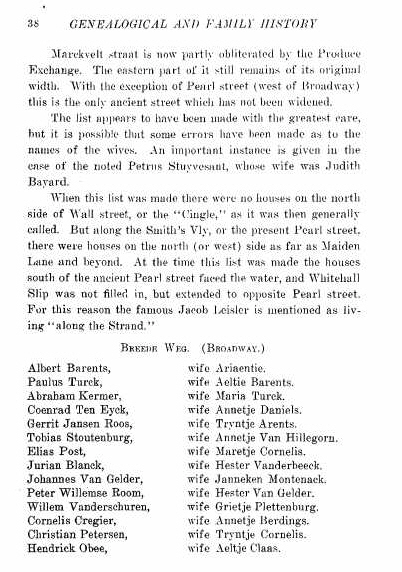
In 1686 Maria and Abraham lived next door to her parents Paulus Turck and Aeltje Barents on Broadway. Sara Turck's father-in-law, Pieter Willemse Roome also lived on Broadway - Source New York Historic Homes

5. Helena Turck

Helena’s husband Johannes Borger (Burger) 1665 in New York City.  His parents were Borger Joriszen Van Hersberg and Engeltje Mans.  A Johannes Burger died 31 Mar 1733 in New York City.

9. Sara Turck

Sara’s husband William Roome was born 17 Apr 1692 in New York City. His parents were Pieter Willemse Roome and Hester Van Gelder. William died 10 Dec 1759 in New York.

10. Cornelis Turck

Cornelis’ wife Lysbeth Van Schaick (Schayk) was born  23 Jan 1683/84 in New York City.  Her parents were Hendrik Cornelissen Van Schaick and Neeltje (Cornelisse or Hendrickse) Stelle.

11. Johannes Turck

Johannes ‘ wife Annetje Cornelis Kuijper (Cuyper) was born 18 Oct 1682 in Brooklyn, Kings, New York.  Her parents were Cornelius Kuyper and Aeltje Teunise Bogaert.  Her sister  Hillegout married Johannes’ cousin once removed Ahasuerus Turck.

Sources:

http://trees.ancestry.com/owt/person.aspx?pid=28103397&st=1

http://wc.rootsweb.ancestry.com/cgi-bin/igm.cgi?op=GET&db=turk-society&id=I12574

http://archiver.rootsweb.ancestry.com/th/read/TURK/1999-10/0940591967

http://reocities.com/Heartland/Acres/1507/turcq_gb.htm

http://e-archivo.uc3m.es/bitstream/10016/2113/1/suptradclas_18.pdf

Posted in 12th Generation, College Graduate, Immigrant - Continent, Line - Shaw, Public Office, Storied | Tagged , | 4 Comments

Jacobus Turck

Jacobus TURCK (1661 – 1711) was Alex’s 9th Grandfather; one of 1,024 in this generation of the Shaw line.

According to traditional sources Jacobus Turck was born in Kinderhook NY and baptized 4 Dec 1661 in the New Amsterdam Dutch Church, New York. His parents were Paulus Jacobszen TURCK and Aeltje Barentse KOOL. He married Cathryntje Van BENTHUYSEN in 1681 in Albany, NY. After Cathryntje died, he married the widow Teuntje Janse Goes Winne on 27 Oct 1705 in Albany, NY and moved to his new wife’s hometown of Kinderhook. Jacobus died 24 Mar 1711 in Albany, NY.

By the 1680s, Jacobus had married Catharina Van Benthuysen and was living in Albany. By 1700, eight children had been baptized at the Albany Dutch church where both parents were members and occasional baptism sponsors. The fledgling community granted a city charter in 1686 was in reality a town of about 120 buildings – clustered together city-style and encircled by a tall, wooden stockade. Seventeenth century Albany had four principal public buildings. The city hall was located near the water on Court Street; the Dutch Reformed Church set in the middle of the city’s main intersection; a smaller Lutheran Churchwhich often was without a pastor; and a more imposing wooden fort located up the hillside and overlooking the community.

Catryntje (Catrina) Van Benthuysen was born 8 Mar 1661 in Albany, NY. Her parents were Paulus Martens Van BENTHUYSEN and Cathalyntje Barentse Van KLEECK.  She grew up in Albany as her parents lived at several locations. Her father was a wheelwright and windowmaker of some note.   Catryntje died 4 Feb 1705 in Albany, NY.

Teuntje (Tryntie) Janse Goes was born in 1671 in Albany, NY.  Her parents were Jan Tyssen Tysse Goes and Styntje Christina Janse Van Hoesen.  She first married 20 Oct 1689 – Albany, New York to Thomas Winne (Winnen). Teuntje died in 1711 in Albany.

Children of Jacobus and Catryntje:

Name Born Married Departed
1. Jacob Turk 14 Oct 1683 Albany, NY 1697
Albany, NY
2. Jacobus Turk 1 Jan 1684/85 Albany Maria Meyer
11 Nov 1726 in New York, NY
Ulster, NY
3. Johannes TURK baptized
16 May 1687 Albany
Jannetjen Van WAGENINGEN
1 Nov 1711 Kingston, Ulster, NY
25 Jan 1736
4. Alida Turk 6 Jun 1689
Kingston, Ulster, NY
1689
5. Alida Turk 27 Nov 1692
Albany
Willem Van Beeck
14 Aug 1714
New York, NY
26 Dec 1756
New York or Kingston, NY
6. Catrina Turk? 27 Nov 1692 Albany
7. Sara Turk 7 Apr 1695 Albany Jacob Louw
28 Jun 1715 Pougkeepsie, NY
6 Oct 1756
Pougkeepsie, NY
8. Ahasuerus Turk 10 Nov 1697 Kingston Hillegout (Hillegond) Kuijper (Kuyper)
1723
New York
23 Jul or
31 Oct 1770
Ulster, NY
9. Augustinus Turk 21 Jul 1700 Albany Anna Ketelluyn
22 Apr 1722
Albany
1776
Albany

.

Children of Jacobus and Teuntje Janse Goes:

Name Born Married Departed
10. Thomas Turk 6 Jun 1707
Albany
Eva Van Valkenburg
2 Jan 1730 Kinderhook, Columbia, New York
1790
Watervliet, Albany, NY
11. Catharina Turk 9 Jan 1709
Kinderhook, Columbia, NY
Jacobus Van Valkenburg
1728 – Kinderhook, Columbia, NY
1790
Watervliet, Albany, NY

According to traditional sources, Jacobus Turck may have been born in Kinderhook in 1661 and christened in the New Amsterdam Dutch church on December 4. Then, he would have been the first child born in the large family of Paulus Jacobus and Aeltje Barents Turck – pioneer settlers of New Netherland.

By the 1680s, he had married Catharina Van Benthuysen and was living in Albany. By 1700, eight children had been baptized at the Albany Dutch church  where both parents were members and occasional baptism sponsors.

After living for a time in the second ward,, these Turcks became first ward mainstays.. He also joined his neighbors in signing community-based oaths and petitions.

Turck became quite wealthy – probably through trading. He served his community as assessor and constable. In 1698, he was elected assistant alderman for the first ward and served for several years. He was an active councilman – taking part in numerous official activities. In 1702, he was appointed sheriff of Albany and served until 1705.

His first wife died early in 1705. By October, he had re-married – taking the widow Tryntie Hoes Winnen as his second wife. By 1709, that marriage produced at least two more children. By then, he had re-located to Kinderhook and was off of Albany rolls.

Henry Hudson sailed as far north as Kinderhook on his exploration of the Hudson River and named the location “Kinderhoek.” Kinderhook signifies in Dutch “the children’s corner,” and is supposed to have been applied to this locality, in 1609, on account of the many Indian children who had assembled on one of the bluffs along the river to see his strange vessel (the ‘Half Moon’) sailing up stream. Another version says that a Swede named Scherb, living in the forks of an Indian trail in the present town of Stuyvesant, had such a numerous family of children that the name of Kinderhook was used by the Dutch traders to designate that locality. Hudson had mixed dealing with the local Mohican natives, ranging from peaceful trade to minor skirmishes. As the Dutch attempted to colonize the area, further warfare broke out with the natives.

Kinderhook was a village and town in old Albany County. It was and is located on the eastern side of the Hudson River about twenty miles southeast of Albany and about five miles upstream from Kinderhook Landing – Kinderhook’s river port. Today, Kinderhook is located in northern Columbia County.

Kinderhook was settled by overflow New Netherland families from Albany during the 1660s. Traditional sources state there were thirty-one original patentees. The settlement formed on the west bank of the Kinderhook Creek and the first lots were deeded about 1681. A Dutch Reformed church is said to have been in operation there as early as 1712. Before that, spiritual services were supplied from Albany.

Children

2. Jacobus Turk

It is often reported that Jacobus’ first married Teuntjie Hoes (Goes) b. 1685 – Albany, New York, but this is mixing up Jacobus Sr’s second wife Teuntje (Tryntie) Janse Goes.

Jacobus’ wife Maria Meyer was born 1688 in Albany, New York. Her parents were xx. Maria died 28 Apr 1774 in Ulster County, NY.

Jacobus Jr. of New York City is credited with inventing the first fire cap around 1740.  It was round with a high crown and narrow rim and was made of leather.  Improvements on his design were made by Mathew DuBois, who sewed iron wire in to the edge of the brim to give the helmet shape and strength, and provide resistance to heat, moisture, and warping.  The leather helmet as it is known today came from a very modest and non-fire related beginning.  Although the year the traditional fire helmet was invented is mired in speculation and debate, it is generally agreed upon as sometime between 1821 and 1836.  The gentleman credited with its founding was named Henry T. Gratacap

3. Johannes TURK (See his page)

5. Alida Turk

Alinda’s husband Willem Van Beeck was born 1690 in Kingston, Ulster, New York. His parents were xx. Willem died 14 Aug 1764 in New York.

7. Sara Turk

Sara’s husband Jacob Louw was born 24 Jun 1688 in Kingston, Ulster, New York. His parents were Peter Cornelius Louw and Elizabeth Blanchan. Jacob died in Poughkeepsie, Dutchess, New York.

8. Ahasuerus Turk

Ahasuerus’ wife Hillegout (Hillegond) Kuijper (Kuyper) was born 26 Apr 1700 in Tappan, Rockland, New York. Her parents were Cornelius Kuyper and Aeltje Teunise Bogaer. Hillegout died 19 Nov 1774 in Ulster, New York. Her sister Annetje married Ahasuerus’ cousin once removed Johannes Turck.

9. Augustinus Turk

Augustinus’ wife Anna Ketelluyn was born 1702 in Albany, Albany, New York. Her parents were xx. Annatje died in Ulster, New York.

In April 1722, the Albany native married Anna Kettlehuyn at the Albany Dutch church. The marriage does not seem to have produced children. Although his father remained active in Albany church ceremonies, this son witnessed only one baptism during the 1720s.

In 1723, he was named city marshall and appears to have held that post for a number of years. He was compensated by the Albany government for his services. In November 1726, city records noted that he was practicing law.

In 1727, his account for two pounds three shillings for use of his canoe from Oswego to New York was among a long list of those approved for payment in the colonial laws of the province

Augustinus Turk and Annatje Kettelheim were godparents to Annatje Buys born 19 May 1751 and baptized 7 Jul 1751 at the Reformed Church, Rhinebeck. The parents were Jacob Busch and Mary Fynhout.  Augustinus would have been 23 years old in 1751.

10. Thomas Turk

Thomas’ wife Eva Van Valkenburg was born 13 Jun 1708 in Albany, Albany, New York. Her parents were Johannes Van Valkenburg and Margriet Barheit.. Eva died 1790 in Watervliet, Albany, New York.

11. Catharina Turk

Catharina’s husband Jacobus Van Valkenburg was born 16 MAR 1707 in Albany, New York. His parents were Abraham Jochumse Van Valkenburg and Catelyntie Schermerhorn. Alternatively, his parents were Jochem Lambertse Van Valkenburg and Eva Hendrickse Vrooman.  Jacobus died 1797 – Schodack, Rensselaer, New York.

Sources:

http://trees.ancestry.com/owt/person.aspx?pid=28139338&st=1

http://wc.rootsweb.ancestry.com/cgi-bin/igm.cgi?op=GET&db=turk-society&id=I12934

http://trees.ancestry.com/tree/13488090/person/52414547

http://trees.ancestry.com/tree/13488090/person/64091412

http://www.nysm.nysed.gov/albany/bios/t/jaturck5323.html

Posted in 11th Generation, Line - Shaw, Public Office, Twins | Tagged , | 4 Comments

Johannes Turk

Johannes TURK (1687 – 1736) was Alex’s 8th Grandfather; one of 512 in this generation of the Shaw line.

Johannes Turk was baptized 16 May 1687 in Albany, NY, witnessed by Paulus Martense.  His parents were Jacobus TURCK and Catryntje Van BENTHUYSEN.  I used to think that he first married Annetje Cornelis Kuyper on 10 Sep 1706 in New York, NY, but now I think that was the marriage of Johannes’ uncle of the same name b. 1682 who was only five years older than his nephew .   This Johannes married Jannetjen Van WAGENINGEN on 1 Nov 1711 in Kingston, Ulster, NY. Johannes died 25 Jan 1736 in Kingston, Ulster, New York.

Annetje Cornelis Kuyper was born on 18 Oct 1682 in Brooklyn, Kings, NY.  Her parents were Cornelius Kuyper and Aeltje Teunise Bogaert.

Jannetjen Van Wageningen (Wagenen) was born 10 Apr 1689 in Kingston, Ulster, NY and baptized 14 Apr 1689 in  Ulster, NY. Her parents were Jacob Aertsen Van WAGENEN and Sara PELS.

Children of Johannes and Jannetjen:

Name Born Married Departed
1. Catrijntjen Turk 27 Jul 1712 Kingston, Ulster, NY Cornelius Peersen (Persen)
31 Aug 1734 Kingston, Ulster, NY
25 Jun 1747
Ulster, NY
2. Zara (Sara) Turk 14 Feb 1714 Kingston, Ulster, NY Paulus Peeling
8 Oct 1737 Kingston, Ulster, NY
1747
Kingston, NY
3. Annetje (Anna) Turk 24 Jun 1716 Kingston, Ulster, NY, Gerrit Van Slyck
18 Sep 1736 Kingston, Ulster, NY
.
Victor Bicker
14 Oct 1738 Kingston, Ulster, New York?
4. Jacob Turk 30 Aug 1719 Kingston, Ulster, NY Zara (Sara) Ploeg
15 Sep 1744
Kingston, Ulster, NY
.
Helena Louw
7 Oct 1764
Kingston, Ulster, NY
Living in New York in 1794
5. Johannes Turk 29 Oct 1721 Kingston, Ulster, NY Geertjen (Gertrude) Swart
1 Nov 1746
Kingston, Ulster, NY
6. Benjamin TURK 1 Dec 1723 Kingston, Ulster, New York. Eida Van WEYEN
c. 1741 Kingston, Ulster New York.
1810
7. Abraham Turk 3 Oct 1725 Kingston, Ulster, NY Cathalyntje Sleight
13 Oct 1750
Kingston, Ulster, NY
8 May 1781 Kingston, Ulster, NY
8. Augustinus Turk 17 Nov 1728 Kingston, Ulster, NY

Jannetje 3 [Jacob2, Aert Jacobsen 1] Van Wagenen, born 10 April 1689 [CSW 14], baptised 14 April 1689 [KB 626,34]; married 1 November 1711 [KM 266, 525], Johannes Turk, j.m. resid. in Kingston. Johannes Turk, baptised 16 May 1687, buried 25 Jan 1736 [CSW 19] was the son of Jacobus Turk and Catryntje van Benthuysen of Kinderhook

Children

1. Catrijntjen Turk

Catryntje’s grandparents Jacob AERSTSEN Van Wagenen and Sara PELS were also her godparents.

Catrijntjen’s husband Cornelius Peersen (Persen) was born 24 Oct 1712 in Kingston, Ulster, NY. He was baptized 6 Sep 1713 in Kingston Dutch Church. His parents were Jan Peerson and Anna Catryna Post. His grandparents were our ancestors on both sides: Peer Jan HENDRICKS & Annetje Matthyssen Jansen Van KEUREN and Jan Jansen POSTMAEL and Jannetje LOZIER.  Cornelius died in 1743 in Saugerties, New York.

2. Zara (Sara) Turk

Sara’s husband Paulus Peeling (Palen) was born 25 Jan 1713 in Kingston, Ulster, New York. His pzrents were Gysbert Peelen (1684 – 1755) and Hilletje Van Vliet (1688 – 1755). Paulus died in Ulster, Ulster, New York.

There were many variations of  his family name such as Veile, Viel, Ver Velle, Veal, Ver Veele, Pele, Pells, Peele, Peeling, Peelen and Palen.

3. Annetje (Anna) Turk

Annetje’s marriages with Gerrit and Victor overlap.  I assume one or the other is correct, but I have not been able to determine which.

Annetje’s first husband Gerrit Van Slyck was born 19 May 1706 in Albany, New York,  His parents were Teunis Willemse Van Slyck and Jannetje Hendrickse Van Wie.  His maternal grandparents were Hendrick Gerritse Van WIE and Eytie ARIAANSZ.  Gerrit died in 1751 – Schoharie, Schoharie, New York,

Annetje’s second husband Victor Bicker was born 1714 in Kingston, Ulster, New York. His parents were xx. Victor died in Ulster, New York. Victor died 10 Oct 1770 – New York

In 1686, a Victor Bicker was married to Claerje Blanke and was living on Pearl Streetwest of Whitehall Street in New York City.

4. Jacob Turk

Jacob’s first wife Sara (Zara) Ploeg was born 02 Apr 1721 in Kingston, New York.  Her parents were Jacob Hendricksen Ploeg and Catharina Bresser. Sara died before 1764 – Ulster, NY

Jacob’s second wife Helena Louw was born 8 Feb 1730 in Kingston, Ulster, New York. Her parents were Tymen (Timotius, Timothy) Louw and Hendrickje Kool. Helena died in Ulster Countty, New York.

5. Johannes Turk

Johannes’ wife Geertjen (Gertrude) Swart was baptized 26 Sep 1725 in Kingston Dutch Church. Her parents were Johannes Swart and Antjen Wynkoop. Geertjen died in  1761 in Ulster, New York

6. Benjamin TURK (See his page)

7. Abraham Turk

Abraham’s wife Cathalyntje Sleight (Sleght) was born  3 Oct 1725 in Kingston, Ulster, New York. Her parents were Anthony Sleight and Neeltjen Bogart. Cathalyntje died 1781 in Ulster, New York

Children of Abraham and Catherine:

i. Anthony Turk 1751 – 1771

ii. Johannes Turk 1763 – 1781

iii. Neeltje Turk 1765 – 1781

iv. Jacob A. Turck b. 12 Jul 1770 in Kingston, Ulster, New York; d. 1841 in Germantown, Columbia, NY; m. Marytjenn (Mary/Maria) Klein (b. 15 Jul 1770 in Red Hook, Dutchess, New York – d. 1 Dec 1836 New York) Mary’s parents were Johannes Klein (of Rhinebeck) and Rosina Schneider (bapt. 25 Dec 1743 in German Ref Ch, Rhinebeck, NY –  )

Children of Jacob and Mary:
Asenath Turck
Jacob Turck (– 1840)
James Turck
Jeremiah Turck
Joseph Abraham Vallentine Turck
Matthew Turck
Peter Turck (b. Germantown, Columbia, NY – d. Wisconsin)
Sally Turck
Matthew Turck (1799 – 1870)
Margaret Ann Turck (1807 – 1849)

Petrus “Peter” Turck b. and bapt. 11 Mar 1798 Kinderhook, Columbia, NY; d. 5 Sep 1872 Madison, Wisconsin. Buried Forest Home Cemetery in Milwaukee; m1. 1820 Greene county NY to Rachel Gay (b. 23 Jun 1799 Greene, NY – d. 1841)  Rachel’s parents were Barnet Gay (1767 – 1848) and Eytje “Ada” Groom (1774 – ) Peter and Rachel had nine children, most of whom  lived well into adulthood, married and had children.

m2. 1848 to Christina Koehler/Kaehler who was almost thirty years younger (b. 1827 Holland – d. 19 Apr 1861 Milwaukee, WI). Peter and Christina had one daughter, Lucinda, who died in her teens in 1861. Christina died eleven days later.

Inscription:
Peter Turck
Born at Kinderhook, NY
March, 11, A.D. 1798
Settled in Wis A.D. 1837
Departed this life at
Madison, Wis Sept. 5, 1872

There was a Christina Koehler of the right age who immigrated with her parents There was a Christina Koehler of the right age who immigrated age 4 with her parents from Amsterdam to Philadelphia arriving of the Isabell Of Philadelphia on 20 Feb 1832. Their destination in the US was not specified.

Here are all the Kohlers onboard:

Catharina Kohler 48 years old
George Kohler 42
John W. Kohler 17
Frederick Kohler 14
Charles Kohler 13
Ann Kohler 12
Frederick M. Kohler 5
Christina Kohler 4
George Kohler 2

There was a George Koehler of the right age working as a gardner in Germantown, Washington, Wisconsin in the 1860 census. It looks like George found a young wife too.

George Koehler 71 b. Lower Hessen (Germany State around Frankfort)
Anna Maria Koehler 44 b. Prussia
George Koehler 4 b. Wisconsin (1856 – 1930 Burial: Saint Pauls Lutheran Cemetery, Rozellville, Marathon, Wisconsin) Two of George Jr’s later census records show his father was born in Germany and one in Holland.

Peter and Rachel migrated to Mequon, Washington (later Ozaukee) Co., Wisconsin in 1837. They may have lived in the Palmyra/Macedon, NY area circa 1830-37   Peter Turck and family lived in Mequon until the mid-1850s, then in Milwaukee, and he died in Madison.

Sources:

http://trees.ancestry.com/owt/person.aspx?pid=28145797

http://wc.rootsweb.ancestry.com/cgi-bin/igm.cgi?op=GET&db=turk-society&id=I12983

http://genealogytrails.com/ny/ulster/marriages_index.html

http://vanwagenenbeginnings.blogspot.com/

The Van Benthuysen genealogy : descendants of Paulus Martense Van Benthuysen, of Benthuizen, Holland, who settled in Albany, NY

Posted in 10th Generation, Line - Shaw | Tagged | 5 Comments

Benjamin Turck

Benjamin TURCK (1723 – 1810) was Alex’s 7th Grandfather; one of 256 in this generation of the Shaw line.

Benjamin Turck was born in 1 Dec 1723 in Kingston, Ulster, New York. His parents were Johannes TURKand Jannetjen Van WAGENINGEN. His godparents were  Barent Benthuysz and Jannetjen van Wageningen. He married Ida Van WEYEN about 1741 in Kingston, Ulster New York. After Ida died, he married Sarah {–?__] 20 Oct 1788.   Benjamin died in 1810 in Ulster, New York.

Benjamin Turck was born, married and died in Kingston, New York.  Wiltwyck was given the name Kingston following the English takeover of the Hudson Valley in 1663.

Ida Van Weyen was born on 15 Sep 1728 in Albany, NY.   Her parents were Hendrick Hendrickse Van WIE and Hilletje BECKER.  Her maiden name is also given as Van Wie.

Children of Benjamin and Ida:

Name Born Married Departed
1. Jannetjen Turk 4 Jun 1749 Kingston, Ulster, NY William Schepmoes
1776
Kingston, Ulster, NY
2. Hilletjen Turk 2 Dec 1750 Kingston, Ulster, NY James William Whitaker
27 Apr 1770 Kingston, Ulster, NY
Ulster, NY
3. Catharina Turk 16 Aug 1752 Kingston, Ulster, NY Phillipus Van Keuren (Van Curen)
5 Dec 1772 Kingston, Ulster, NY
4. Johannes A. (John) Turk 12 May 1754 Kingston, Ulster, NY Geesje Whitaker
13 May 1779 Kingston, Ulster, NY
.
Elisabet Osterhout
22 Feb 1801 Kingston, NY
5. Henry (Hendrick) TURK 5 Sep 1756 Kingston, Ulster, New York Jannetje BRINK
6 Mar 1778 Ulster County, New York
.
Catharina Wittaker
4 Jul 1801 Kingston, Ulster, NY
12 Mar 1833 Kingston, Ulster, New York
6. Jacob Turk 6 Jan 1759/60 Kingston, Ulster, NY Annatje Folant
30 Jan 1788 Kingston, Ulster, NY
26 Jan 1808 New York
7. Sara Turk 20 Sep 1762 Kingston, Ulster, NY Edward Oosterhout
28 Nov 1781 Kingston, Ulster, NY
.
Joseph Davis
25 Oct 1792 Kingston, NY
1802
Ulster, New York
8. Annatje Turk 29 Jul 1764 Kingston, Ulster, NY bef. 1768
9. Benjamin Turk 26 Jan 1766 Kingston, Ulster, NY Jannetje (Janneke) Burhans
13 Mar 1789 Kingston, Ulster, NY
1 Jul 1846
10. Annatje Turk 18 Dec 1768 Kingston, Ulster, NY Joseph Castel
24 Jan 1787 Kingston, Ulster, NY

Many of Benjamin’s sons and sons-in-law (indicaated with a Red X) lived in the same area of Kingston Commons Flatbush Class

Children

Benjamin’s sons Jacob, Hendrick and Johannes fought in the Revolutionary War in the Ulster County 1st Regiment under Colonel Johannes Snyder.

Snyder’s Regiment of Militia was known officially as The First Regiment of Ulster County Militia. It was the first regiment of four created in Ulster County, New York as ordered by the Provincial Congress of New York. It was also referred to as the Northern Regiment since it members were from the Northern section of Ulster County towns including Kingston, New York (then also called Esopus) and Saugerties, New York (then called Kingston Commons)

Johannes Snyder was given his commission and officially took his post as Colonel on May 1, 1776. At that time the 1st Ulster County Militia was reported to have 472 officers and men. In April of that year, he was elected to the Provincial Congress as a Delegate, and thus did not start active duty until September 1, 1776 when he was directed to proceed to Fort Montgomery in the Hudson Highlands and take command. He arrived on Sep  27.

The three months for which the Regiment had been called out expired on Nov 30. In the following year, 1777, he was with his regiment at Ft Montgomery as early as June 4. On July 30, he took his seat as a member of the Assembly in the first legislature chosen in New York State. His activity was said to be “untiring! ” He was at the head of his regiment in the Highlands, and was assigned to every court-martial convened by General George Clinton to try Tories who were active everywhere, and whom his Regiment seized on every hand. He was also a member of the Council of Safety in Ulster County. Colonel Snyder was thus in Kingston when Major General Vaughan landed to destroy Kingston, New York State’s first Capital. He could only muster 5 small cannons and about 150 men. The rest of the 1st Ulster were either with General, now Governor, George Clinton on their way to Kingston from the defeat at Fort Montgomery or as part of Colonel Graham’s Levies from Dutchess and Ulster counties which were facing John Burgoyne at Saratoga. Colonel Snyder along with Colonel Levi Pawling threw up a hasty earthwork at Ponckhonkie overlooking theHudson River and the mouth of the Rondout Creek, and a second one at the hill near O’Reilly’s Woods—the present site of Kingston’s City Hall, and placed his cannons. The British numbering over 2,000 of course drove the defenders out and commenced to torch the city on October 16, 1777. As General Vaughan wrote, “Esopus [Kingston] being a nursery for almost every Villain in the Country, I judged it necessary to proceed to that Town…they fired from their Houses, which induced me to reduce the Place to Ashes, which I accordingly did, not leaving a House.” After this, Governor Clinton assigned Colonel Snyder and a part of the regiment to assist and help rebuild the ruined city. He energetically took hold of the work with his men, and the town rapidly arose from the ashes. In 1778, and through the remainder of the war, Colonel Snyder was credited that no enemy descent was made upon exposed settlements in the northwest Catskills frontier where Governor Clinton committed its defense to him and his regiment. Part of the regiment was usually stationed at Little Shandaken to watch the approach through the valley of the Esopus Creek. Scouts constantly covered the territory from Hurley woods to the Palentine Clove along the foot of the Catskills. On at least three documented occasions, marauding Indians and Tories were turned back by finding their movements watched.

It is alleged the Regiment was founded as the Burgher Guard of Wildwijk in 1758. Captain Hendrick’s Schoonmaker’s Company of the 1st Ulster Regiment lineage continues to the Headquarters and Service Battery, 1st Battalion of the 156th Field Artillery Regiment which in 2006 was changed to become 104th Military Police Battalion.

The city of Kingston was first called Esopus after a local Indian tribe, then Wiltwyck. Settled in 1651, it was one of the three large settlements in New Netherland, the other two being Beverwyck, now Albany, and New Amsterdam, now New York City. In 1777, Kingston became the first capital of New York. This is due to the fact that during the summer of 1777, when the state constitution was written, Albany, the historic center of government of New York, was under threat of attack by Burgoyne and his army. The state’s founding fathers believed Kingston would be a safer place. Ironically, the British never reached Albany, being stopped at Saratoga, but they did reach Kingston. Shortly after the Battle of Saratoga, the city was burned by British troops moving up the Hudson River from New York City, disembarking at the mouth of the Rondout Creek on the formation the Dutch had named Ponck Hockie. Contrary to popular belief there wasn’t a large conflict between the townsfolk and the British invaders. This is because the denizens of Kingston knew of the oncoming fleet. The city had been evacuated by the time the British arrived, and the settlers had moved to Hurley, New York, which the British did not attack.

The area was a major granary for the colonies at the time, so the British burned large amounts of wheat and all but one or two of the buildings. There is some debate over exactly how much of a fight was put up against the British; one third of the local militia regiment was still to the north at Saratoga, and one third was to the south manning several forts (which were captured days before by the British). This would have left approximately 150 militiamen to defend the city against approximately 2,000 British regulars. In 1797, the capital was reestablished at Albany.

1. Jannetjen Turk

Jannetje’s husband William Schepmoes  was born 8 Dec 1745 in Kingston, Ulster, New York.  His parents were Johannes Schepmoes and Maria Van Benschoten.  William died  1785 in Kingston, Ulster, New York.

William was a private in the Ulster County Militia — First Regiment in the Revolutionary War. Col Johannes Snyder. (See story above)

Children of Jannetjen and William:

i. Geertje Schepmoes b. 12 Jul 1772 Ulster, New York; d. 4 May 1848 Ulster, New York; m. 1 Dec 1793 in Kingston, Ulster, New York to Jonathon Oosterhout (b. 1765 in Kingston, Ulster, New York – d. Ulster, New York) Jonathan’s parents were Hendricus Oosterhout ( – 1761) and Pieternella Bosch (1718 – 1743). Geertje and Jonathan had six children born between 1794 and 1814.

ii. Catherine Schepmoes b. 1 Sep 1776 Rhinebeck, Dutchess, New York; d. 27 Mar 1853 Ulster, New York; m. 6 Apr 1796 in Kingston, Ulster, New York to Johannes Burhans (b. 9 Nov 1771 in Kingston – d. 6 May 1830 in Ulster, New York) Johannes’ parents were Petrus Burhans (1730 – 1802) and Johanna Van Steenbergen (1732 – 1802) Catherine and Johannes had seven children born between 1797 and 1813 in Kingston.

iii. Maria Schepmoes b. 1778 Kingston, Ulster, New York; m. 1800 in Kingston to Willem Miller (b. 14 Jul 1778 in Cortlandtown, Westchester, New York) Willem’s parents were Peter Miller (b. 1740) and Margarita or Grietje Montross (Matross or Montras) (b. 1742)

iv. John Turk Schepmoes b. 9 Mar 1780 Rhinebeck, Dutchess, NY; d. 5 Jan 1848 Kingston, Ulster, NY; m. 11 Dec 1808 Rhinebeck to Elizabeth Burhans (b. 1791 New York – d. 10 Jun 1860)

In the 1850 census, Elizabeth was living with her brother Peter in Kingston, Ulster, New York.

v. Benjamin Schepmoes b. 27 Jul 1782 Kingston, Ulster, New York

vi. William Schepmoes b. 27 Dec 1784 Kingston, Ulster, New York; m. 1806 in Kingston to Elizabeth Houghteling (b. 1786 in Kingston)

2. Hilletjen Turk

Hilletjen’s husband James William Whitaker was born 23 Oct 1737 in Kingston, Ulster, New York.  His parents were Willem Whitaker (1708 – 1758) and Catharina Ploeg (1715 – ).  James died after the 1800 census in Kingston, Ulster, New York.

James served in Ulster County Militia – First Regiment under Colonel Johannes Snyder in the Revolutionary War.

Children of Hilletjen and James

i. William Whitaker b. 10 Oct 1770 Kingston, Ulster, New York; m. 8 Jan 1795 Katsbaan, New York to Catharina Louw (b. 25 Apr 1778 in Kaatsbaan/Saugerties, Ulster, New York – d. Ulster, NY) Catharina’s parents were Abraham Louw (1743 – 1812) and Rachel Dewitt (1745 – 1812) William and Catharina had seven children born between 1795 and 1810.

ii. Johannes Whitaker b. 23 Jan 1774 Kingston, Ulster, New York; m. 16 Jun 1794 in Kingston to Elizabeth Magee

iii. Benjamin Whitaker b. 9 May 1779 Kingston, Ulster, New York; d. 18 Feb 1860 in Marbletown, Ulster, New York; m1. 18 Jul 1790 in Kingston to Catharina Felten ; m2. 16 Feb 1800 Marbletown, Ulster, New York to Elisabeth Middaugh (b. 28 Feb 1780 in Marbletown – d. 12 Mar 1848 in Ulster, New York) Elisabeth’s parents were Elias Middaugh (1756 – 1819) and Sarah Van Aaken (1756 – 1822). Benjamin and Elisabeth had seven children born between 1802 and 1816.

3. Catharina Turk

Catharina’s husband Phillipus Van Keuren (Van Curen) was born 25 Sep 1748 in Kingston, Ulster, New York. His parents were Matheus Van Keuren (b. 1724) and Helena Vielen (b. 1727). His 2nd Great Grandparents were our ancestors Mathijs Jansen Van KEULEN (1602 -1648) and Margriet HENDRICKSE.  Phillipus died in Ulster, New York.

Children of Catharina and Phillipus:

i. Phillipus Van Keuren b. Jan 1776 Kingston, Ulster, New York; d. 1812 Kingston; Burial: Old Dutch Churchyard Kingston; m. 14 Jan 1799 in Kingston to Betsy Quimby (b. 1778 in Kingston – d. 1853 in Ulster, New York; Burial: Old Dutch Churchyard Kingston) Phillipus and Betsy had four children born between 1800 and 1811.

ii. Eida Van Keuren b. 10 Feb 1782 Kingston, Ulster, New York; m. 15 Jul 1804 in Kingston Dutch Reformed Church to Tyarick (Tjerk) Hendricks (b. 29 May 1783 in Kingston – d. Ulster, New York) Tyarick’s parents were Jacob Hendricks (1741 – 1824) and Arriantje Louw (1751 – 1815) Eida and Tyarick had three children born between 1804 and 1809.

iii. Benjamin Van Keuren b. 28 Aug 1791 Kingston, Ulster, New York; d. 1850 Saugerties, New York; m. 1810 in Kingston to Heltje DuBois (b. 17 May 1789 in Kingston – d. 2 Nov 1869 in Kingston) Heltje’s parents were David DuBois and Alida Snyder.

4. Johannes A. (John) Turk

Johannes’s first wife Geesje Whitaker was born 20 Jun 1753 in Katsbaan, Ulster, New York. Her parents were Samuel Whitaker and Catryna Borhans.

Johannes’ second wife Elisabet Osterhout was born

Children of Johannes and Geesje:

i. Jacob Turk b. 16 Apr 1780 Kingston, Ulster, New York; m. 4 Apr 1805 in Kingston to Hilletje Whitaker (b. 1784 in Kingston, Ulster, New York) Hilletje’s parents were William Whitaker (b. 1748) and Jannetjen Turk (b. 1750) Hilletje’s uncle James William Whitaker married Jacob’s aunt Hilletjen Turk 27 Apr 1770 in Kingston (See above). Hilletje was Jacob’s second cousin. Her maternal grandparents were Johannes Turk (b. 1721) and Geertjen Swart (b. 1725) and her great grandparents were Johannes TURK and Jannetjen Van WAGENINGEN.

ii. Catherine Turk b. 2 Aug 1784 Kingston, Ulster, New York; m. Hendrick Whittaker

iii. Sarah Turk b. 20 Oct 1788 Kingston, Ulster, New York

5. Henry (Hendrick) TURK (See his page)

6. Jacob Turk

Jacob’s wife Annatje Folant was born about 1767 in Kingston, Ulster, New York. Her parents were Philippusen Foland (b. 1730) and Maria Pulver (b. 1741).  Annatje died 5 Apr 1848 – Ulster County, NY.

Children of Jacob and Annatje:

i. Elizabeth Turk bapt. 18 Jan 1789 Kingston, Ulster, New York; m. 7 Dec 1806 Kingston to John J. Kipp. Elizabeth and John had three children between 1812 and 1816.

ii. Ida Turk b. 10 Apr 1791 Kingston, Ulster, New York

iii. Johannes Turk bapt. 31 Mar 1793 Kingston, Ulster, New York

iv. Solomon Turk bapt. 01 Jan 1796 in Kingston, Ulster, NY; d. Aft 1880 census, Kingston; m. Cornelia Boice (b. ~1797 Rhinebeck, Dutchess, New York – d. Aft. 1870) Cornelia’s parents were Ferdinand Boice (1747 – 1822) and Catharina Foland (1742 – 1838). Solomon and Cornelia had six children born between 1818 and 1842.

In the 1860 census, Solomon and Cornelia were farming in Kingston, Ulster, New York

v. Petrus “Peter” Turk b. ~1798 in Kingston, Ulster, NY; d. 12 Nov 1882 in Flatbush Reformed Church, Ulster, NY; m. Getty “Gitty” Catherine  Osterhout/Osterhoudt  (b. ~ 1804 in New York – d. 13 Sep 1875 in Ulster County, NY)  They are both buried at the Burhans Family burial ground in Ulster Co.  Peter and Getty had at least four children Abraham (b. 1834) and Amelia (b. 1837),  Gertrude “Girty” Catherine (1821-1899) and Benjamin (b. about 1840, d. after 1860). Peter remained in Ulster Co., NY, his entire life.

In the 1850 census Peter and Gitty K. were farming in Kingston, Ulster, New York.

There is another Peter Turk, born the same year who Reed Perkins believes is Jacob and Annatje’s son, Petrus “Peter” Turck b. and bapt. 11 Mar 1798 Kinderhook, Columbia, NY; d. 5 Sep 1872 Madison, Wisconsin. Buried Forest Home Cemetery in Milwaukee; m1. 1820 Greene county NY to Rachel Gay Since this Peter’s gravestone shows his birth to be in Kinderhook, Columbia, New Yok, I think it is more likely that this Peter is his second cousin, the son of Jacob Turck and Mary Klein (See Peter’s great grandfather’s page Johannes TURK for details.

vi. Maria Turk bapt. 17 Mar 1800 Kingston, Ulster, New York; m. Nicholas Kierstedt Burhans (b. 07 Jan 1799 in Kingston – d. 27 Mar 1849) Nicholas’ parents were Johannes Burhans (1771 – 1830) and Catherine Schepmoes (1776 – 1853) Catherine Schepmoes was one of Maria’s older cousins.

vii. Jacob Turk b. 1802 Ulster, New York; m. 1823 in Glasco, Ulster, New York to Annatje Dubois (bapt. 4 Mar 1802 in Kingston, Ulster, New York) Annatje’s parents were Petrus DuBois (b. 1756) and Marietje Post (b. 1758)

viii. Annatje Turck b. ~ 1805 Kingston, Ulster, New York; d. betw. 1870-1880; m. David H. Traver (b. ~ 1810 in New York – d. Aft. 1880 census Kingston) Annatje and David had four children born between 1836 and 1842.

In the 1850 census, David and Anna were farming in Kingston.

There is another Peter Turk, born the same year who Reed Perkins believes is Jacob and Annatje’s son, Petrus “Peter” Turck b. and bapt. 11 Mar 1798 Kinderhook, Columbia, NY; d. 5 Sep 1872 Madison, Wisconsin. Buried Forest Home Cemetery in Milwaukee; m1. 1820 Greene county NY to Rachel Gay. Since this Peter’s gravestone shows his birth to be in Kinderhook, Columbia, New York, I think it is more likely that this Peter is his second cousin, the son of Jacob Turck and Mary Klein. I think Mary may have been the daughter of Palatine Refugees and some records say Peter was born in Germantown, Columbia, New York. Peter’s second wife was born in Holland or Germany. (See Peter’s great grandfather’s page Johannes TURK for the interesting details.

ix. Abraham Turk b. ~1807 Flatbush, Ulster, New York; m. Ulster, New York to Annatje Wynkoop (b. 7 Jan 1810 in Katsbaan, Ulster, New York) Annatje’s parents were Henry Wynkoop (1769-1826) and Ariantje Louw (1771-1856)

x. Henry Turck b. 8 Apr 1809 Flatbush, Ulster, New York; m1. Eliza C. [__?__] (b. 1820); m2. 11 Oct 1855 Catskill, Greene, New York to Harriet Ludington (b. 17 Nov 1817 in Catskill – d. 22 Dec 1898) Harriet’s parents were Tertullus Ludington (1773 – 1821) and Anna Egbertson (1789 – 1861). She first married John Lusk (1815 – 1848) and had five children between 1838 and 1847.

Researcher got Henry’s name from Harriet’s listing at Catskill village cemetery then found a marriage record for her as Mrs. Jno Lusk with Henry in 1855 at Catskill Presbyterian Church see: http://dunhamwilcox.net/ny/catskill_ch.htm

7. Sara Turk

Sarah’s first husband Edward Oosterhout was born 12 Sep 1742 in Kingston, Ulster, New York. His parents were Laurens Oosterhout and Helena Whitaker. Edward died in Ulster, New York

Sarah’s second husband Joseph Davis was born  5 Jul 1761 in Saugerties NY.  His parents were Sampson Davis and Margaret Ploeg.    After Sarah died, he married 19 Aug 1802 in Kingston, Ulster, NY to Annatje “Anna” Burhans.  Joseph died 23 Sep 1836 in Saugerties and is buried in Flatbush, Ulster Co, NY in the Oosterhoudt Family Burial Ground.

The Joseph Davis who was born 12 Dec 1760 in Erie, New York and whose parents were Joseph Davis and Abigail Bradley is a different person.  This other Joseph died 1847 in New Albion, Cattaragus County, New York.

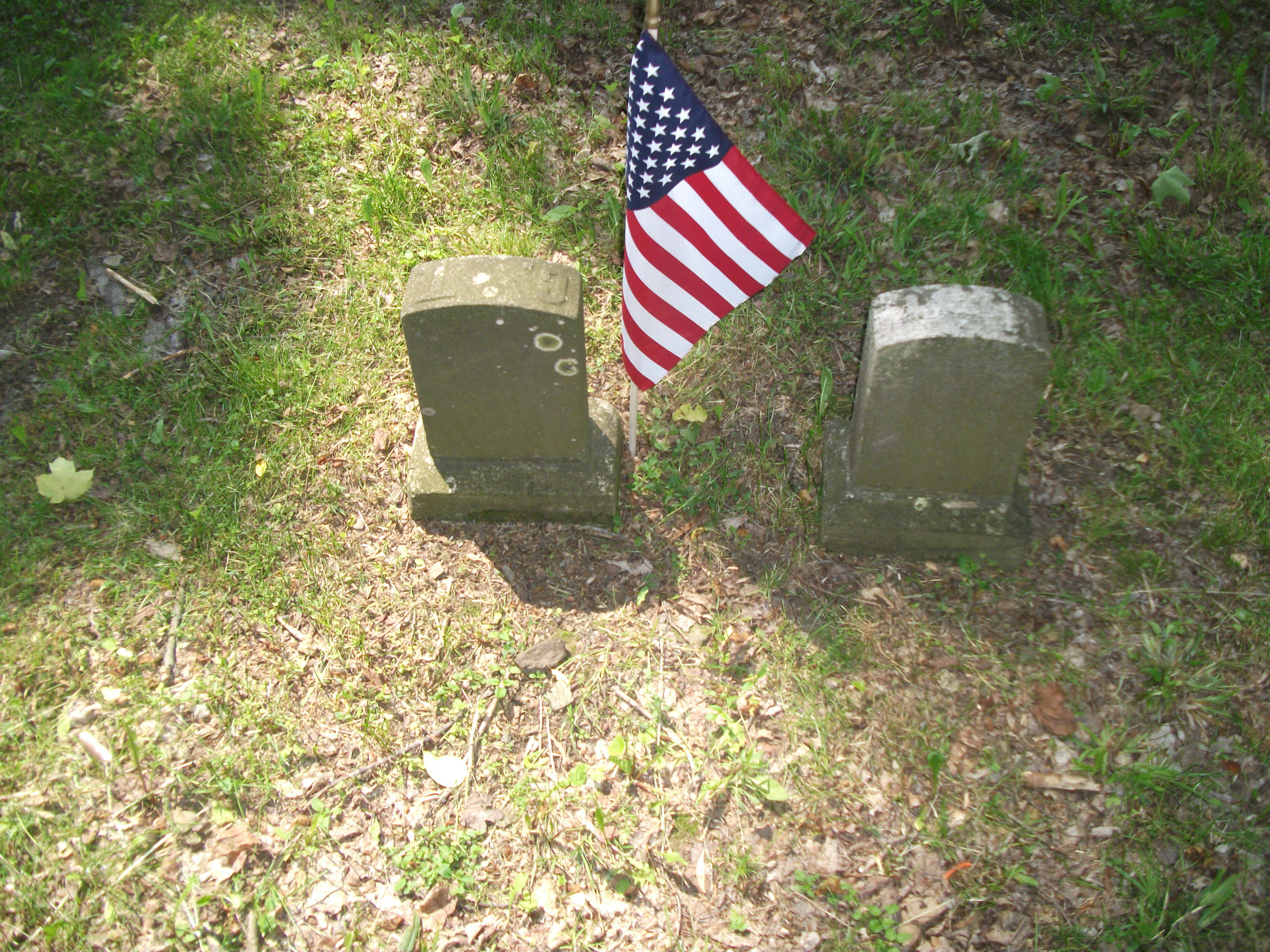
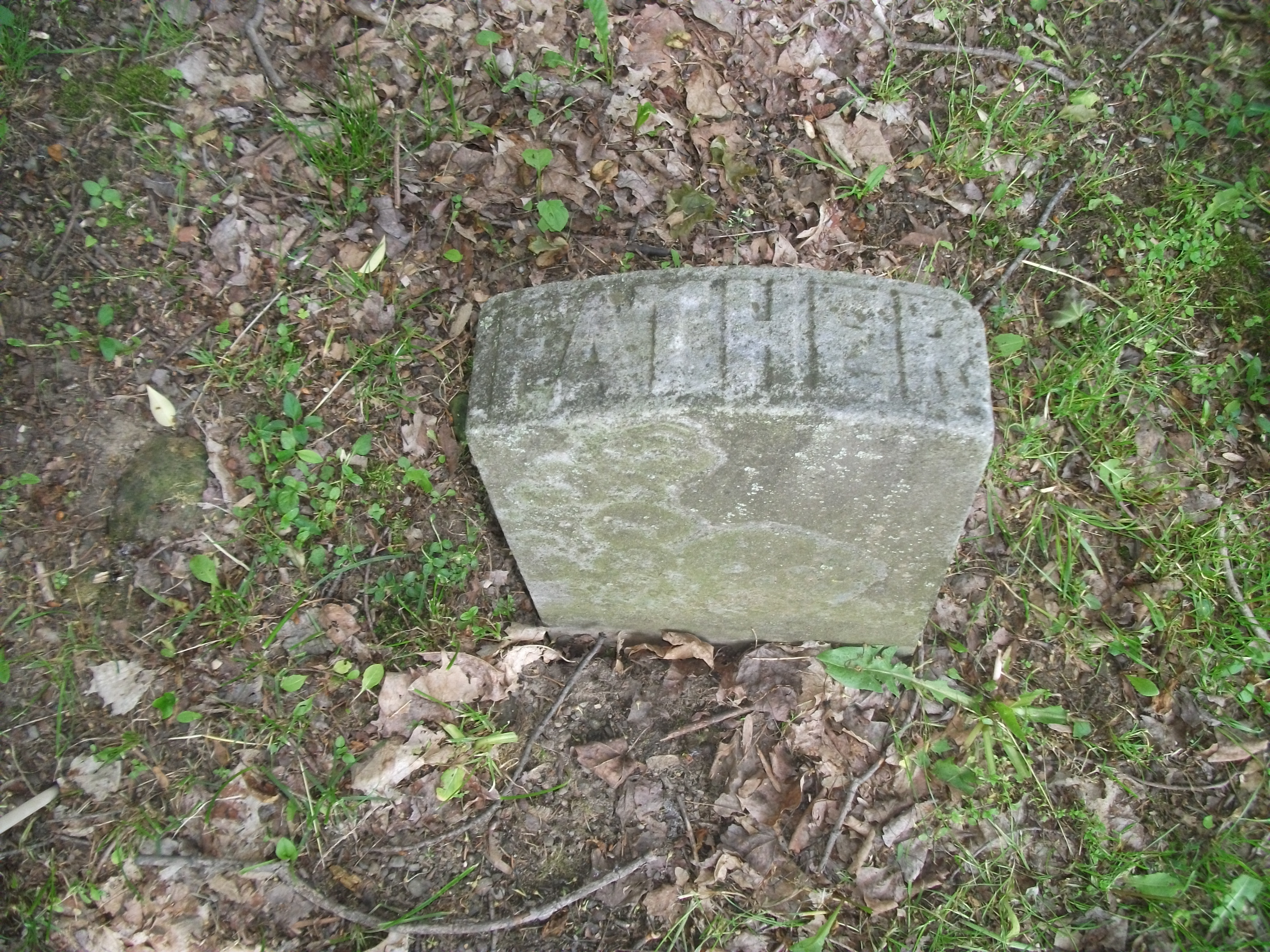
Joseph Davis Headstone — “Oosterhoudt Ground”. I had read about using shaving cream and a drywall knife to make the letters pop out and it worked well! If you want to find it, set your GPS for coordinates 42° 1’30.43″N, 73°56’35.25″W, and follow the old road to the right of the church.

Children of Sarah and Joseph

i. Catherine Osterhout b. 30 Jun 1782 Kingston, Ulster, New York; d. Ulster, New York; m. 24 Apr 1800 in Ulster, New York to Christopher Van Gaasbeek (b. 6 Aug 1777 in Kingston – d. 20 Dec 1864 in Ulster, New York) Christopher’s parents were Jacobus Van Gaasbeek (1737 – 1825) and Debora Kierstede (1745 – 1836)

ii. Sarah Osterhout b. 29 Nov 1784 Kingston, Ulster, New York

9. Benjamin Turk

Benjamin’s wife Jannetje (Janneke) Burhans was born 27 Feb 1766 in Kingston, Ulster, New York.  Her parents were Jan Burhans (1727 – 1787) and Catharine Whitaker (1730 – 1773). It is a tradition in the family that Jan Burhans and four of his sons were in military service during the War of the Revolution.

Children of Benjamin and Jannetje:

i. Sarah Turk b. 4 Jul 1790 Kingston, Ulster, New York; m. 12 Oct 1811 in Kingston to her cousin John Castle (Castell) (bapt. 20 Dec 1789 Old Dutch Ch, Kingston, Ulster, NY) John’s parents were Joseph Castell and Annatje Turk (See below)

ii. Sueras Turk bapt. 22 Apr 1792 Kingston, Ulster, New York

iii. Catherine Turk b. 1 Jun 1795 or 3 May 1796 in Kingston, Ulster, New York; d. 17 Apr 1841 in Kingston; m. 1816 Kingston to Abraham P. Post (b. 9 Feb 1793 in Kingston – d. Ulster, NY) Abraham’s parents were John A. Post (1768 – 1842) and Rachel Leroy (1776 – )

iv. Benjamin Turk b. 27 May 1799 Kingston, Ulster, New York; d. 10 Aug 1871; Died in Columbia Twp at 72 yrs 2 mos 14 days from congested lungs; Burial: Cement City, Cemetery, Cement City, Jackson County, Michigan m. Catherine Every (b. 1805 in New York – d.7 Oct 1898 in Lenawee, Michigan) Catherine’s parents were Reuben Every (1780 – 1855) and Elizabeth Whitman (1787 – 1855). Her grandparents were Richard Every and Abigail Emery, and her great grandparents were our ancestors John EVERY and Rachel WILLIAMS. Benjamin and Catherine had eight children born between 1830 and 1844.

v. Jacoba Turk b. 24 May 1801 Kingston, Ulster, New York; d. 29 Jul 1870; Burial: Cement City Cemetery Cement City, Jackson, Michigan; m. Levi Mulnix (b. 8 Nov 1804 in Kingston – d. 25 Mar 1882 in Pontiac, Oakland, Michigan; Burial: Cement City Cemetery) Levi’s brother John married Jacoba’s sister Jane. Their parents were Levi Mullinex Sr. (1765 – 1834) and Phoebe Robinson (1765 – ) Jacoba and Levi had seven children born between 1828 and 1848.

In the 1860 census, Levi and Jemima were farming in Sandstone, Jackson, Michigan

vi. Eida Ann Turk b. 13 Feb 1806 Kingston, Ulster, New York; m. 1 Jan 1826 to Silas Decker (b. 20 May 1800 Kingston – d. 26 Nob 1870 in Prattsville, Greene, NY) Silas’ parents were Laurence Decker and Lucretia Fowler Eida and Silas had six children born between 1828 and 1843.

In the 1850 census, Silas and youngest son George were living in Middletown, Delaware, New York with Henry and Emeline Hubble.

vii. Jane Bridget Turk b. 16 Jun 1811 Roxbury, Delaware, New York; d. 31 Jul 1855 Illinois; m. 1829 to John Mulnix (b. 1808 in Roxbury – d. 19 Feb 1890 Eagle Point, Ogle, Illinois) John’s brother Levi married Jane’s sister Jacob. John’s parents were Levi Mullinex Sr. (1765 – 1834) and Phoebe Robinson (1765 – ). Jane and John had seven children. After Jane died, John married Lydia Sweet (1822 – 1896) and had three more children.

In the 1850 census, John and Jane were farming in Lexington, Greene, New York

In the 1870 census, John and Lydia were farming in Eagle Point, Ogle, Illinois.

viii. John Burhans Turk b. 18 Feb 1814 Kingston, Ulster, New York; d. 8 Mar 1853 Burial: Cement City Cemetery, Cement City, Jackson, Michigan; m. Peninah “Paulina” Kelly (b. 28 Jan 1810 in Delaware, New York – d. 13 Apr 1871 in Lenawee, Michigan) Peninah’s parents were Thomas N Kelly (1786 – 1835) and Hannah Daugherty (1793 – 1858). John and Perinah had six children born between 1831 and 1845.

In the 1850 census, John and Peninah were farming in Columbia, Jackson, Michigan

ix. Ahasuerus Turk b. 15 Feb 1815 New York; d. 12 Mar 1878 Somers, Westchester, New York; m. Margaret Dubois (b. 23 Nov 1839 in Michigan – d. 8 Oct 1899 in Michigan) Margaret’s parents were Jacob Delamater Dubois (1808 – 1880) and Elizabeth Van Riper (1812 – 1849) Ahasuerus and Margaret had four children born between 1856 and 1868 in Columbia, Jackson, Michigan.

10. Annatje Turk

Annatje’s husband Joseph Castel was born 1764 in Kingston, Ulster, NY.

Children of Annatje and Joseph:

i. Elisabet Castell bapt. 9 Dec 1787 Old Dutch Ch, Kingston, Ulster, NY

ii. John Castell (Castle) bapt. 20 Dec 1789 Old Dutch Ch, Kingston, Ulster, NY; m. 12 Oct 1811 in Kingston to his cousin Sarah Turk (b. 4 Jul 1790 Kingston, Ulster, New York) Sarah’s parents were Benjamin Turck and Jannetje Burhans (See above)

iii. Joseph Castell (Castle) bapt. 3 Feb 1793 Old Dutch Ch, Kingston, Ulster, NY; m. 15 Jan 1824 Kingston, Ulster, NY Reformed Dutch Church to Annatje Dubois (bapt. 21 Apr 1793 Kingston Reformed Dutch Church) Annatje’s parents were Mattheus H. Dubois (1764 – 1844) and Margaret Davenport.

iv. James Castell bapt. 24 Jan 1796 Old Dutch Ch, Kingston, Ulster, NY

v. Maria Castell bapt. 23 Nov 1798 Old Dutch Ch, Kingston, Ulster, NY

vi. Ann Castell bapt. 3 Nov 1801 Old Dutch Ch, Kingston, Ulster, NY

vii. Benjamin Castell b. 2 May 1805 Old Dutch Ch, Kingston, Ulster, NY

Sources:

http://trees.ancestry.com/owt/person.aspx?pid=28144121

http://wc.rootsweb.ancestry.com/cgi-bin/igm.cgi?op=GET&db=turk-society&id=I12626

http://genealogytrails.com/ny/ulster/marriages_index.html

Baptismal and marriage registers of the old Dutch church of Kingston, Ulster County, New York : (formerly named Wiltwyck, and often familiarly called Esopus or ‘Sopus), for one hundred and fifty years from their commencement in 1660″

Posted in -9th Generation, Line - Shaw | Tagged | 18 Comments

Hendrik Turk

Hendrik TURK (1756 – 1833) was Alex’s 6th Grandfather; one of 128 in this generation of the Shaw line.

Hendrik (Henry) Turk was born 5 Sep 1756 in Kingston, Ulster, New York.  His parents were Benjamin TURK and Ida VAN WEYEN. He married Jannetje BRINK in 1778 in Ulster County, New York. After Jannetje died, he married Catharina Wittaker on 4 Jul 1801 in Kingston, Ulster, NY. Henry died 12 Mar 1833 in Kingston, Ulster, New York

Hendrick with his brothers Jacob and Johannes fought in the Revolutionary War in the Ulster County 1st Regiment under Colonel Johannes Snyder. Snyder’s Regiment  defended Kingston from the British in 1778, but Hendrick hometown was burned to the ground.

Jannetje Brink was born 5 Sep 1759 in Saugerties, Ulster, New York.  Her parents were Cornelius BRINKand Annetje Jannetje WINNE.  Jannetje died before 1801 in Kingston, Ulster, New York Catharina Wittaker was baptized 4 Oct 1763 in Kingston, Ulster, NY. She was the widow of Johannes Frans.

Children of Henry and Jannetje:

Name Born Married Departed
1. Benjamin Turk 28 Nov 1779 Ulster County, NY 1812 Ulster County, NY
2. Anatje (Anna) Turk 1 Jul 1781 Saugerties, Ulster, New York Matheus (Matthew) Blanchon
1808
Ulster, NY
Aft. 1860 census in Scott, Sheboygan, Wisconsin
3. Cornelius TURK 13 Feb 1783 baptized 9 Mar 1783 Saugerties, Ulster, New York. Mary DeLONG 1 Aug 1860 Caroline, Tompkins, NY
4. Eida (Ida, Ada) Turk 6 Mar 1785 Kingston, Ulster, NY Robert Hannser.
Henry Johnson?
c. 1813
Upper Red Hook, Dutchess, NY
5. Catharina Turk 28 Jan 1787 Kingston
6. Philipus (Philip) Turck 20 Oct 1788 Kingston Margery Cleveland
1811
Virgil, Cortland, NY
.
Almira Webber in Kingston, NY
14 Apr 1846 Saybrook, Suffolk, NY
7. Zachariah Turk 13 Nov 1791 Kingston Rebecca Decker c. 1855
8. Thomas Hendrik (Henry) Turk 2 Mar 1794 Kingston Abigail Swartwout
Abt 1816 – Poughkeepsie, Dutchess, New York
.
Catherine Bloomburgh
1823
1874 Prattsville, Greene, NY
9. Isaac Turk 8 May 1796 Katsbaan, Ulster, NY
10. Jannetje (Jane) Turk 6 Dec 1797 Kingston, Ulster, NY Isaac Brooks
1816
NY
28 Dec 1883 Saybrook, Ashtabula, Ohio

Hendrick was a fifer in the Revolutionary War in the Ulster County 1st Regiment under Colonel Johannes Snyder.  He fought with his brothers Jacob and Johannes. Snyder’s Regiment of Militia was known officially as The First Regiment of Ulster County Militia. It was the first regiment of four created in Ulster County, New York as ordered by the Provincial Congress ofNew York. It was also referred to as the Northern Regiment since it members were from the Northern section of Ulster County towns including Kingston, New York (then also called Esopus) and Saugerties, New York (then called Kingston Commons) Johannes Snyder was given his commission and officially took his post as Colonel on May 1, 1776. At that time the 1st Ulster County Militia was reported to have 472 officers and men. In April of that year, he was elected to the Provincial Congress as a Delegate, and thus did not start active duty until September 1, 1776 when he was directed to proceed to Fort Montgomery in the Hudson Highlands and take command. He arrived on September 27. The three months for which the Regiment had been called out expired on November 30.

In the following year, 1777, he was with his regiment at Ft Montgomery as early as June 4. On July 30, he took his seat as a member of the Assembly in the first legislature chosen in New York State. His activity was said to be “untiring! ” He was at the head of his regiment in the Highlands, and was assigned to every court-martial convened by General George Clinton to try Tories who were active everywhere, and whom his Regiment seized on every hand.

Kingston Point 2002

He was also a member of the Council of Safety in Ulster County. Colonel Snyder was thus in Kingston when Major General Vaughan landed to destroy Kingston, New York State’s first Capital. He could only muster 5 small cannons and about 150 men. The rest of the 1st Ulster were either with General, now Governor, George Clinton on their way to Kingston from the defeat at Fort Montgomery or as part of Colonel Graham’s Levies from Dutchess and Ulster counties which were facing John Burgoyne at Saratoga. Colonel Snyder along with Colonel Levi Pawling threw up a hasty earthwork at Ponckhonkie overlooking the Hudson River and the mouth of the Rondout Creek, and a second one at the hill near O’Reilly’s Woods—the present site of Kingston’s City Hall, and placed his cannons.

Kingston Point

The British numbering over 2,000 of course drove the defenders out and commenced to torch the city on October 16, 1777. As General Vaughan wrote, “Esopus [Kingston] being a nursery for almost every Villain in the Country, I judged it necessary to proceed to that Town…they fired from their Houses, which induced me to reduce the Place to Ashes, which I accordingly did, not leaving a House.”

Kingston Street Battle

Kingston Street Battle

Kingston Street Battle

After this, Governor Clinton assigned Colonel Snyder and a part of the regiment to assist and help rebuild the ruined city. He energetically took hold of the work with his men, and the town rapidly arose from the ashes. In 1778, and through the remainder of the war, Colonel Snyder was credited that no enemy descent was made upon exposed settlements in the northwest Catskills frontier where Governor Clinton committed its defense to him and his regiment. Part of the regiment was usually stationed at Little Shandaken to watch the approach through the valley of the Esopus Creek. Scouts constantly covered the territory from Hurley woods to the Palentine Clove along the foot of the Catskills. On at least three documented occasions, marauding Indians and Tories were turned back by finding their movements watched. It is alleged the Regiment was founded as the Burgher Guard of Wildwijk in 1758. Captain Hendrick’s Schoonmaker’s Company of the 1st Ulster Regiment lineage continues to the Headquarters and Service Battery, 1st Battalion of the 156th Field Artillery Regiment which in 2006 was changed to become 104th Military Police Battalion.

The city of Kingston was first called Esopus after a local Indian tribe, then Wiltwyck. Settled in 1651, it was one of the three large settlements in New Netherland, the other two being Beverwyck, now Albany, and New Amsterdam, now New York City. In 1777, Kingston became the first capital of New York. This is due to the fact that during the summer of 1777, when the state constitution was written, Albany, the historic center of government of New York, was under threat of attack by Burgoyne and his army. The state’s founding fathers believed Kingston would be a safer place. Ironically, the British never reached Albany, being stopped at Saratoga, but they did reach Kingston. Shortly after the Battle of Saratoga, the city was burned by British troops moving up the Hudson River from New York City, disembarking at the mouth of the Rondout Creek on the formation the Dutch had named Ponck Hockie. Contrary to popular belief there wasn’t a large conflict between the townsfolk and the British invaders. This is because the denizens of Kingston knew of the oncoming fleet. The city had been evacuated by the time the British arrived, and the settlers had moved to Hurley, New York, which the British did not attack. The area was a major granary for the colonies at the time, so the British burned large amounts of wheat and all but one or two of the buildings. There is some debate over exactly how much of a fight was put up against the British; one third of the local militia regiment was still to the north at Saratoga, and one third was to the south manning several forts (which were captured days before by the British). This would have left approximately 150 militiamen to defend the city against approximately 2,000 British regulars. In 1797, the capital was reestablished at Albany.

The latest Burning of Kingston Reenactment is complete.  The dates were October 14, 15 & 16, 2011.

Children

2. Anatje (Ann, Anna) Turk

Anatje’s husband Matheus (Matthew) L. Blanchan was born 3 Apr 1774 in Marbletown, Ulster, NY. In the 1850 census, Matthew and Anna were living in Skaneateles, Onondaga, New York where Matthew was working as a blacksmith.

In the 1860 census, Anna (age 78) was living with her daughter Catharine Lefever in Scott, Sheboygan, Wisconsin.

Some genealogies say Anna married Johannes Phillip Hemstreet in 21 Aug 1800 in New York. Actually, Johannes (Philip) Heemstraat (b. 20 Mar 1780 – Dutchess, NY – d. 7 Sep 1864 Montgomery, New York, son of Phillip (Johannes) Heemstraat and Blandina VanVliet married Catlyntje Turk (b. 1 Dec 1779 in Rhinebeck, Dutchess, New York – d. 01 Mar 1858 in Root, Schoharie, New York), daughter of Anthony Turck (1751 – 1771) and Rachel VanAuken (1751 – )

Children of Anatje and Matheus:

i. Jane A. Blanchan b: 1812 in Ulster, NY

ii. Jacob Smedes Blanchan b: 11 May 1814 in New Paltz, Ulster, NY; d. 15 Dec 1893 – Grand Junction, Greene, Iowa; m. 3 Nov 1839 Anna Maria Travice (b. Sep 1820 in New York – d. 29 Jan 1902 in Grand Junction, Greene, Iowa); In the 1860 census, Jacob was farming in Scott, Sheboygan, Wisconsin. He removed to Wisconsin between 1847 when Matthew was born and 1850 when Mary was born.

iii. Catherine (Catharine) Blanchan b: 1816 in , Ulster, NY; d. 1 Jul 1883 Sheboygan, Wisconsin; m. Henry Lefever (b. 31 Mar 1815 in Skaneateles, Onondaga, New York – d. 10 Aug 1879 in Scott, Sheboygan, Wisconsin) In the 1850 census, Henry and Catherine were farming in Scott and Olio, Sheboygan, Wisconsin. Henry had been granted 40 acres on 10 Aug 1850.

iv. Harriet Blanchan b: 1818 in Ulster, NY

v. Henry Blanchen b. 1822 Ulster New York In the 1850 census, Henry was a farmer in Skaneateles, Onondaga, New York and living with his parents.

3. Cornelius TURK (See his page)

4. Eida (Ida) Turck

Henry Johnson may have been born in Ireland or Kingston, Ulster, New York and died in Colchester, Delaware, New York. However, the Eida (Ada) Turk (b. 1791 in Esopus(Kingston), Ulster, New York – d. Colchester, Delaware, New York) may have been the daughter of Jacob Turk (b. 1763) and Annatien Vooland (b. 1767) They had a son John Johnson (b. 27 Feb 1814 – d. 12 Mar 1896 in Colchester, Delaware, New York) who married Elizabeth (Betsey) Kimball (1818 – 1891)

6. Philipus (Philip) Turck

Philip’s first wife Margery Cleveland was born 12 Feb 1789 in Kortright, Deleware, N.Y. Her parents were Daniel Cleveland (1766 – 1810) and Amy Dibble (1765 – 1836). Margery died in 1834

Philip’s second wife Almira Webber was born about 1801 in Suffolk County, New York or Vermont. Almira died 13 July 1857 Bates Cemetery, Saybrook, Ashtabula County

ALMIRA
wife of
PHILLIP TURCK
DIED
July 13, 1857
aged 56 yrs

Philip Turck Gravestone Bates Cemetery Saybrook, Ashtabula , OH –  “Philip Turck Died April 10, 1846 Age 57” In the background is Marilyn Turck Ball GGGranddaughter of Philip(us) Turck

Children of Philip and Margery

i. Ann Eliza Turck b: 3 May 1812 in NY; d. Aft 1880 census when she was a widow living with her son Charles in Denmark, Ashtabula, Ohio. m. 1839 to Hamilton Smith(b. May 1810 in Wooster, New York – d. 26 Dec 1878 in Kingsville, Ashtabula, Ohio) In the 1850 census, Hamilton and Eliza Ann were farming in Ashtabula, Ashtabula, Ohio with five children at home.

ii. Almira Turck b: 1 Sep 1814 in NY,

iii.  Nancy Louisa Turck b:  14 Sep 1816 – Harpersfield, Delaware, New York; d. 24 Sep 1869 Kendalville, Indiana; m. 2 May 1840 – Cortlandville, Cortland, New York to Barclay Freemont Sam(p)son (b. 11 Feb 1819 in Homer, Cortland, New York – d. 27 Dec 1896 in Mattawan, Van Buren, Michigan) In the 1860 census Barclay and Nancy Louisa were farming in Salem, Steuben, Indiana.

iv. Henry Cleveland Turck b: 8 Apr 1818 – Etna, Tompkins, New York; d. 12 Apr 1872 Marathon, Cortland, NY; m. 1852 to Mary A. Babcock (b: 10 Sep 1828 in Enfield, Tompkins, NY – d. 1890 in Etna, Tompkins, New York)

In the 1860 census, Henry and Mary were living in Dryden, Tompkins, New York where Henry was working as a sawyer. He was listed as 48 years old implying he was born in 1812.

v.  Elwina Turck b: 3 Sep 1819 in  NY; d. Aft 1900 census Geneva, Ashtabula, Ohio; m. Harvey Terpenning (b. 15 Feb 1820 in Virgil, Cortland, NY – d. Abt. 1899 in Geneva, Ashtabula, OH) His parents were Noah Terpenning (1786 – 1855) and Polly Slotte (1787 – 1860) In the 1860 and the 1870 census, Harvey and Elwina were farming in Homer, Benton, Iowa.

In between these two censuses, Harvey enlisted in Company I, Iowa 6th Cavalry Regiment on 02 Feb 1863 and mustered out on 17 Oct 1865 at Sioux City, IA. Moved to Sioux City, Dakota, March 16-April 26, 1863. Operations against hostile Indians about Fort Randall May and June. Moved to Fort Pierre, and duty there until July. Sully’s Expedition against hostile Sioux Indians August 13-September 11. Actions at White Stone Hill September 3 and 5. Duty at Fort Sully, Fort Randall and Sioux City until June, 1864. Sully’s Expedition against hostile Sioux Indians June 26-October 8. Engagement at Tah kah a kuty July 28. Two Hills, Bad Lands, Little Missouri River, August 8. Expedition from Fort Rice to relief of Fisk’s Emigrant train September 11-30. Fort Rice September 27. Duty by Detachments at Fort Randall, Sioux City, Fort Berthold, Yankton and the Sioux and Winnebago Indian Agencies until October, 1865. Mustered out October 17, 1865.

Regiment lost during service 1 Officer and 21 Enlisted men killed and mortally wounded and 1 Officer and 74 Enlisted men by disease. Total 97.

vi. Philip  Brink Turck b. 1 May 1821 New York; d. 6 Jun 1872 Waite Hill Village Cemetery, Waite Hill, Lake County, Ohio; m1. Lucy [__?__] (b. 1824 Ohio – d. Aft 1910 census Kirtland, Lake, Ohio); m2. 18 Nov 1869 – Lake, Ohio to Keziah (Hexia) P Jenkins (b. Dec 1830 NY) Her parents were Murray Jenkins (1792 – 1882) and Grace Harris (1800 – 1885)

In the 1850 and 1860 census, Philip and Lucy were farming in Saybrook, Ashtabula, Ohio.

vii. Daniel Dibble Turck b. 21 Aug 1824 New York; d. 28 Nov 1865 Bates Cemetery, Saybrook, Ashtabula County, Ohio; m. 4 Sep 1848 in Ashtabula, Ohio to Ann Town (b. 1825 New York) In the 1860 census, Daniel and Ann were living in Saybrook, Ashtabula, Ohio where Daniel was working as a sawyer.

viii. Margere Antoynette Turck b. 2 Apr 1828  New York; d. 22 Jul 1878 Oakdale Cemetery, Jefferson. Ashtabula County, Ohio; m. 7 Apr 1850 in Ashtabula to Edmund Edward Ives b. 20 Mar 1826 in Denmark, Ashtabula, Ohio – d. 10 Feb 1905 Denmark Center, Ashtabula County, Ohio) His parents were Giles Ives (1799 CT-1890 OH) and Mercy Goff (b 1806)

In the 1870 census, Edmund and Margere were living in Jefferson, Ashtabula, Ohio where Edmund was working as a house carpenter.

Children of Philip and Almira:

viii. Amasa Webber Turck b: 3 Sep 1834 in Saybrook, Suffolk, New York; d. 13 Sep 1903 in Hill City, Graham, Kansas; m. 14 Feb 1855 Lee Iowa to Sarah A Kenny (Kenney) (b. Abt. 1836 in Geneva, Ashtabula, OH – d. 1916 in Oneida, Nemaha, Kansas) In the 1880 census, Amasa and Sarah were farming in Denmark, Lee, Iowa.

ix. Dana Turk b. 02 Dec 1837 in Madison, Lake, Ohio; d. 19 May 1890 in Beaverdam, Pennsylvania; m. 9 Aug 1865 Wattsburg, Erie, PA to Lucy Jennie Gifford (b. 5 Mar 1839 in Venango, Erie, PA – d. 29 May 1910 in Beaver Dam, Erie, PA) In the 1880 census, Dana was a farmer laborer in Venango, Erie, Pennsylvania

Dana enlisted in Battery C, Ohio 1st Light Artillery on 9 Sep 1861. Mustered out on 23 Oct 1862 at Cincinnati, OH. Left Ohio for Camp Dick Robinson, Ky., October 1. Advance on Camp Hamilton, Ky., January 1–17, 1862. Battle of Mill Springs January 19–20. Moved to Louisville, Ky., thence to Nashville, Tenn., February 11-March 3. Moved to Savannah, Tenn., March 20-April 8. Advance on and Siege of Corinth, Miss., April 29-May 30. Pursuit to Booneville May 31-June 12. March to Iuka, Miss., and Tuscombia, Ala., June 17–29; thence to Winchester July 29-August 7; thence to Dechard and Pelham Gap August 19–31. Moved to Nashville, Tenn., September 1–7; thence march to Louisville, Ky., in pursuit of Bragg September 14–26. Pursuit of Bragg into Kentucky October 1–15. Battle of Perryville, Ky., October 8 (reserve) [2 12-pounder Howitzers, 4 6-pdr M1841 James Rifle: Cpt Daniel K. Southwick] March to Gallatin, Tenn., October 20-November 7, and duty there until December 25.

Dana & Lucy Jennie Gifford Turck Family –  Minnie seated next to her father, James is standing next to his father, Martha is standing holding her sister’s hand and the baby Philip is seated in Dana’s lap.

7. Zachariah Turck

Zachariah removed from Schoharie Co, NY to Port Hope, Ontario, in 1820. Zachariah’s wife Rebeccah Decker was born in 1801 in Kingston, Ulster, NY. Rebecca died 27 Nov 1877 – Arcada, Gratiot, Michigan.

Zachariah was a tanner and currier.

Child of Zachariah and Rebeccah:

i. Henry Turck m. 25 Sep 1851 in Port Hope Ontario to Mary Warner – Hope license witnesses Wm. Jones & Clarissa Ormiston. Henry operated a tanning establishment in Clark township, Durham county, Canada.

ii. William Sisson Turck b. 7 Aug 1839 Port Hope, Durham, Ontario, Canada; d. Aft 1910 census Dunedin, Hillsborough, Florida; m. 14 Sep 1864 in Alma, Gratiot, Michigan to Louise Aurelia Purelia Ely b. 1845 in New York – d. aft 1916 when living at 1535 Riverside Ave, Jacksonville, Florida) Her parents were Gen. Ralph Ely and Mary E. [__?__].

In the 1880 census, William and Louise were farming in Arcada, Gratiot, Michigan.

HON. WILLIAM S. TURCK, the vice president of the First State Bank ot Alma, Michigan, formerly conducted by the firm of W. S. Turck & Co., is one of the foremost citizens not only of that place but of the State. He is a pioneer of Gratiot county, has a record for splendid service and bravery in the Civil War, and has won general recognition for his ability in the field of industry and finance. He has also the honor of being a Mason of the longest continuous standing in the county, joining the order in 1861.

William S. Turck was born in Port Hope, Canada, August 7, 1839, the son of Zachariah and Rebecca (Decker) Turck. His father, a tanner and currier, was a native of the State of New York, as was his mother, who was born in Schoharie county. The boy’s education was only elementary, but at the age of sixteen he was apprenticed as a tanner to his brother Henry, who operated an establishment in Clark township, Durham county, Canada.

After four years of that employment he removed to Shelby, Orleans county, New York, where he remained until 1860, when he obtained employment as foreman of the gristmill at Indian Mills, Isabella county, Michigan, which was owned by the United States government. In the fall of 1861 he rented a saw and grist mill standing upon the present site of Alma, the incipient settlement then consisting of three log houses in the midst of a dense forest.

He thus continued until the fall of 1862, when his patriotic spirit forced him from the channels of industry into the military field. Mr. Turck was mustered into the Union service as second lieutenant of Company D, Twenty-sixth Regiment, Michigan Volunteer Infantry, Capt. Lafayette Church, and was fortunate in being thus attached to one of the most famous bodies of skirmishers in the Federal armies. It went into rendezvous at Jackson, and in December was assigned to provost duty at Alexandria, Virginia, and in the spring following was ordered to Suffolk, then threatened by General Longstreet. The regiment was highly commended for its discipline, intelligence and soldier-like work displayed at New York City during the progress of the draft riots in 1863, and for the balance of the war it was attached to the Army of the ‘Potomac, First Brigade (General Miles), First Division, Second Army Corps. The regiment was mustered out June 4, 1865.

In following Captain Turck’s private fortunes the records show that he was promoted to the first lieutenancy April 15, 1863, and to the captaincy of Company D August 12, 1864. He participated in twenty-eight engagements, and at the battle of Spottsylvania was wounded in the head by a minie ball, which necessitated a retirement from duty for ten days. Upon the occasion of Lee’s surrender at Appomattox Court House Captain Turck was in charge of the brigade skirmishers.

Captain Turck returned to Alma and engaged in lumbering during the winter ot 1865-66. From 1866 to 1872 he held the position of county treasurer, but his army experience had so impaired his health that he found it necessary to buy a farm and engage in outdoor occupations. He passed the succeeding eight years in its improvement, then returning to Alma, where, in association with A. W. Wright and others, he founded the banking house of W. S. Turck & Co. He was one of the stockholders and held the positions of cashier and manager.

In 1883 the bank was reorganized, and upon the formation of the establishment of Steel, Turck & Co., at Ithaca, he became a stockholder therein. In 1901 the bank at Alma was merged into the institution known as the First State Bank of Alma, of which, as stated Mr. Turck is vice-president. In 1881 Mr. Turck built a flouring-mill at Alma, the business being conducted under the name of the Alma Milling Company. He sold his interest in the enterprise in 1885. William S. Turck has always been a Republican, his career as a State leader and a member of the House of Representatives of the Legislature commencing with his nomination to that position in the fall of 1876. He was chosen by a handsome majority and his service on the committees on Local Taxation and Drainage, as well as in the general chamber, was of so high a standard that he was re-elected in 1878, again running in advance of his ticket. At that session he wan appointed chairman of the Railroad committee and member of the board of managers of the State school at Coldwater. For four years he has also served as a member of the board of management of the Michigan Soldiers Home.

Brief reference has been made to Mr. Turck’s Masonic career. It may be added that since 1861 he has taken twelve degrees, acted as high priest of Chapter No. 70, of Ithaca, and finally reached the office of grand high priest of the grand chapter of Michigan.

On September 15, 1864, Mr. Turck was married to Miss Louisa R. Ely, a native of New York State, born July 18, 1845, the daughter of Gen. Ralph and Mary E. Ely. General Ely was acknowledged to be the founder of Alma, was immortalized for his bravery in connection with the famous Eighth Michigan Regiment during the Civil

8. Thomas Hendrik (Henry) Turk

Henry’s first wife Abigail Swartwout was born 10 Sep 1797 in Poughkeepsie, Dutchess, NY. Her parents were Cornelius Swartwout and Sara Ter Bos. Abigail died in bef. 1851 in Schoharie, NY.

Henry’s second wife Catherine Bloomburg was born about 1794 in New York.

1850 census – Schoharie Co., NY: Summit, p. 322A, 36/51 [age 53; b. NY] [TERK].

1860 census – Schoharie Co., NY: Fulton, p. 50, 366/381 [age 72; b. NY] [TURK].

In the 1870 census, Henry and Catherine were farming in Prattsville, Greene, New York

Children of Henry and Abigail:

i. Thomas Henry Turk Jr. b. 25 Oct 1819 in Summit, Schoharie, NY; d. 26 Apr 1887 Lutheranville, Schoharie, NY; m. 4 Nov 1849 to Helen Van Buren (b: 26 Jun 1824 in Rensselaer, Rensselaer, NY – d. 13 April 1896) In the 1860 census, Thomas and Helen were farming in Summit, Schoharie, New York

ii. Sarah Maria (Sally) Turk b. 26 May 1822 in , Schoharie, NY; d.  1 Apr 1894 in Charlotteville, Schoharie, NY; m. Isaac Truax b: 18 Apr 1825 in Schoharie, NY In the 1880 census, Isaac and Sarah were farming in Jefferson, Schoharie, New York

iii. Cornelius Turk b. Abt. 1824 in Jefferson, Schoharie, NY; d. 1901 in Medusa, Albany County, New York; m. 1849 to Maria Spore (b. April 1830 in Summit, Schoharie County, New York – d. Medusa, Albany County, New York) In the 1870 census, Cornelius and Maria were farming in Durham, Greene, New York.

Cornelius Turk Portrait

Maria Spore Turk Portrait

iv. Cooper T. Turk b.  Mar 1828 in Richmondville, Schoharie, NY; d. 24 Jun 1902 in Jerome, Schoharie, NY; m1. 4 Nov 1849 in Summit, Schoharie, NY to Sarah Ann Van Buren (b: 1829 in Summit, Schoharie, New York – d. 1875) m2.  Rosanna Waldorf b: 13 May 1827 in  NY; m3.  Margaret Stone b: Aug 1845 in NY. In the 1870 census, Cooper and Sarah were farming in Fulton, Schoharie, New York.

v. Rebecca M. Turk b: 1830 in NY  In the 1870 census, Rebecca was living with her parents in Prattsville, Greene, New York.

vi. Katherine Ann Turk b. 10 Jul 1832 in Jefferson, Schoharie, NY; d. Jan 1926 in Worcester, Otsego, NY; m1. Herman Shafer b: Nov 1831 in Jefferson, Schoharie, NY; m2. James Kniskern b: 1828 in Jefferson, Schoharie, NY

vii. George H. Turk b. 10 Nov 1833 or abt. 1835 Delaware New York; d. 25 Oct 1907 Brooktondale, NY; m. Jane Marie Cole (b. 24 Jan 1842 in Colchester, Delaware Co., New York – d. 22 Oct 1895 in Brooktondale, Tompkins, New York) In the 1880 census, George and Jane were farming in Caroline, Tompkins, New York

George enlisted as a Private in Company G, 144th New York Infantry Regiment on 21 Sep 1864.
Transferred into Company C, 1st New York Volunteer Engineers Regiment on 6 Oct 1864.

viii. Hannah Margaret Turk  b: 10 Aug 1835 in Schoharie, NY; d. 1 Jan 1896; m. 28 Feb 1854 in Cobleskill, Schoharie, NY to George Hamilton Simpkins (b: 2 Apr 1829 in Berne, Schoharie, NY – d. 1 Jul 1893 – Worcester, Otsego, New York)

ix. Darcie Turk b. ABT 1836 in , , NY

10. Jannetje (Jane) Turk

Jane’s husband Isaac Brooks was born 17 Sep 1794 in New York. His parents were Thomas Jefferson Brooks (1776 – 1840) and Rebecca Merriam or Andrus (1774 – 1824). Isaac died 5 Feb 1875 in Saybrook, Ashtabula, Ohio.

Jane and Isaac moved to Saybrook, Astabula, Ohio right after they were married in 1816.  Jane’s  brother Philip moved to Astabula later. In the 1850 census, Isaac and Jane were farming in Saybrook, Ashtabula, Ohio.

Saybrook township is located on the northern edge of Ashtabula county along Lake Erie

Saybrook Township was originally part of Austinburg Township and contained a settlement called Wrightsburg.  In 1816 just about the time Isaac and Jannetje  arrived, Saybrook became a separate township of its own. The township and community continued to be called Wrightsburg until 1827 when the name was changed to Saybrook, its new name coming from Saybrook, Connecticut. The early settlers are listed in the 1820 census for Ashtabula County with the township recorded as Wrightsburg.

The Saybrook Township lands were originally owned by Connecticut Land Co. investor, William Hart. Hart then sold the entire township, with the exception of one lot, to Josiah Wright and his son Samuel Wright of Pownal, Vermont in 1811. The deed for this sale is recorded in the Ashtabula County Courthouse in Jefferson, Ohio.

Even though the Wrights were early owners of Saybrook Township, they were not the first settlers.The first settler in Saybrook Township was George Webster, a New Yorker who came in 1810.

In the 1850 census, Isaac and Jane were farming in Saybrook, Ashtabula, Ohio.  Their household was 14  people including Isaac and Jane’s eldest daughter Polly Lapham, a widow with young four children.  The Lapham children were still in the household in the 1860 census, but Polly was not.

Isaac and Jane Brooks Gravestone – Bates Cemetery Saybrook Ashtabula County Ohio

Children of Jane and Isaac:

i. Polly Brooks b. 1817 Dutchess, NY; d. bef. 1860 census when three of her children were living with their grandparents; m. 30 Aug 1838 Age: 21 in Ashtabula, Ashtabula, Ohio to David Lapham (1814-1848) In the 1850 census, Polly and her four children were living with her parents in Saybrook, Ashtabula, Ohio.

ii. Thomas H Brooks b. 10 Oct 1819 in Ohio; d. 18 Sep 1904 in Mentor, Lake, Ohio; m. 20 Apr 1850 Age: 30 in Lake, Ohio to Miranda Williams (b. 20 Apr 1832 in Sheffield, Ashtabula, Ohio – d. 29 Jun 1902 in Mentor, Lake, Ohio) In the 1870 census, Thomas and Miranda were farming in Madison, Lake, Ohio.

iii. Roderick K. Brooks b. 1822 Ohio; d. 25 Jul 1873 Burial: Saybrook Cemetery Geneva Ashtabula County Ohio; m. Cynthia E Tallcott (1830 Ohio -1882) In the 1870 census, Roderick and Cynthia were living in Saybrook, Ashtabula, Ohio where Roderick worked as a carpenter.

iv. Isaac Brooks b. Sep 1824 in Saybrook, Ashtabula, Ohio; d. 27 Nov 1903 in Saybrook, Ashtabula, Ohio; m. 1848 to Roxy Steward (b. 1826 Ohio) In the 1880 census Isaac and Roxy were farming in Saybrook, Ashtabula, Ohio.

v. Alvah Brooks b. 1826 in Saybrook, Ashtabula, Ohio; d. 31 May 1909 in Saybrook, Ashtabula, Ohio; m1. 1850 to Cevilla (Cervillia) Lovilla Cleveland (b. 1830 Ohio) Her parents were Orrison Cleveland and Sylvia Stinson; m2. Aft 1886 to Ellen Burr In the 1870 census, Alva and Cessilla were farming in Saybrook, Ashtabula, Ohio.

vi. John A Brooks b. 1829 Ohio; d. 4 Jan 1917 Ashtabula, Ohio; m. Helen T [__?__] (b. 1840 NY – d. 8 Aug 1925 Ashtabula, Ohio) In the 1870 census, John was a carpenter in Saybrook, Ashtabula, Ohio.

vi. Benagor Brooks b. May 1831 in Ohio; d. 3 Apr 1920 Erie, Ohio; m. 1865 to Susan Pauline Owen (3 Jul 1836 Ohio – 27 Sep 1906 Huron, Ohio) Her parents were Joseph Porter Owen (1795 – 1851) and Annie Gates (1800 – 1864). In the 1880 census, Beneger and Susan were farming in Saybrook, Ashtabula, Ohio.

vii. D. Wallace Brooks b. 1834 in Ohio; d. 23 May 1911 in Saybrook, Ashtabula, Ohio; m1. 1859  to Rachel Whiting (b. 1842 Ohio); m2. 23 Jan 1868 in Ashtabula to Alice A. Ontus (b. 1848 NY) ; m3. 4 Dec 1897 – Saybrook, Ashtabula, Ohio to Nellie Hellen Butler (b. 1840 NY – d. 8 Aug 1925 Ashtabula)

Alice’s father Eliphalet S. Ontis enlisted at the age of 42 in Company F, Ohio 29th Infantry Regiment on 28 Sep 1861. Mustered out on 12 Nov 1862 at Frederick, MD.

In the 1870 census Wallace and Alice were living in Ashtabula where John was a carpenter.

viii. Mary Jane Brooks b. 1836 in Ohio; d. 26 May 1909 in Saybrook, Ashtabula, Ohio; m. 1856 in Ashtabula to Wesley Harvey (b. 1835 New York). In the 1880 census, Mary Jane and Wesley were living in Saybrook, Ashtabula, Ohio near Mary Jane’s brother John. Wesley was working as a stone mason.

ix. Hugh Brooks b. 22 Jun 1838 in Saybrook, Ashtabula, Ohio; d. 11 Jan 1921 Saybrook, Ashtabula, Ohio; m. 12 May 1861 to Melissa Dady (b. 1845 NY – d. Aft 1910 census ) In the 1880 census, Hugh and Melissa were farming in Saybrook, Ashtabula, Ohio

x. Martha M Brooks b. 1840 Saybrook, OH; m. 25 Oct 1860 to Henry Harrison Lyons (b. 1841 Ohio) In the 1880 census, Martha and Harrison were living in Imlay, Lapeer, Michigan where Harrison was a druggist.

xi. James K. Brooks b: Sep 1844 in Saybrook, Ashtabula, OH; d. 14 Oct 1914 – Saybrook, Ashtabula, OH; m. 1866 to Francis Dette Harvey (b. Aug 1846 New York) In the 1880 census, John and Deette were farming in Saybrook, Ashtabula, Ohio next to his brother Hugh. John’s mother Jane (age 83) was living with the family

Sources:

http://trees.ancestry.com/tree/15116357/person/273152766

http://wc.rootsweb.ancestry.com/cgi-bin/igm.cgi?op=GET&db=turk-society&id=I59

http://genealogytrails.com/ny/ulster/marriages_pre1810.html

http://www.ucgsny.org/

http://trees.ancestry.com/owt/person.aspx?pid=28136200&st=1

Posted in -8th Generation, Line - Shaw, Storied, Veteran | Tagged , , , | 7 Comments

Cornelius Turk

Cornelius TURK (1783 – 1860 ) was Alex’s 5th Grandfather; one of 64 in this generation of the Shaw line.

Cornelius Turk was born 13 Feb 1783 or counting backward from his gravestone, 19 Jul 1781.  and baptized 9 Mar 1783 in Saugerties, Ulster, New York. His parents were Hendrik TURK and Jannetje BRINK. He married Mary DeLONG. Cornelius died 01 Aug 1860 in Caroline, Tompkins, New York and is buried at at Central Chapel Cemetery, Caroline, Tompkins, NY (Google Satellite View) – Inscription – Rev. Cornelius Turk died Aug. 1, 1860 age 79 yrs., 13 dys.  I haven’t discovered why he is memorialized as “Reverend.”
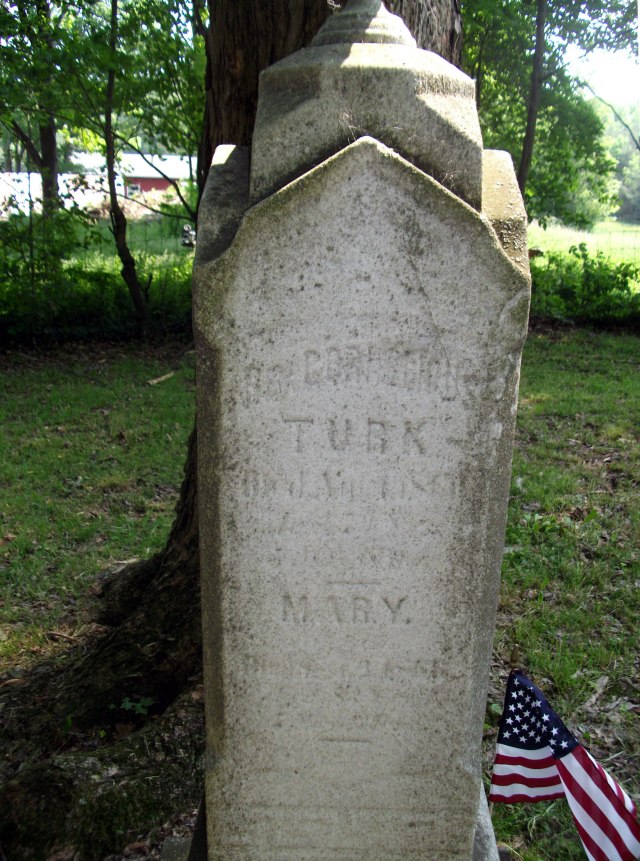
Turk Monument – Rev. Cornelius Turk  and Mary – Memorial Day 2012

Another Cornelius Turk from the same era lived in Delaware County New York.
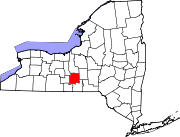
Cornelius  moved to Tompkins County New York with his family around 1805 and lived there for almost sixty years

Cornelius lived near Slaterville in Caroline Township, Tompkins County, New York for over fifty years (c. 1805 – 1861)

Mary DeLong was born 9 Jan 1782 in Saugerties, Ulster, NY.   Her parents were Thomas DeLONG and Eleanor BORDEN.  A family legend says that Mary’s grand daughter Ruth was a descendent of the Marquis De Longe who was guillotined in the French Revolution. The legend states his wife and daughter escaped the country and his daughter married an American.  Mary died 2 Sep 1866 in Caroline, Tompkins, New York.

Central Chapel Cemetery Memorial Day 2012  — The Turk family monument is framed in the gateway
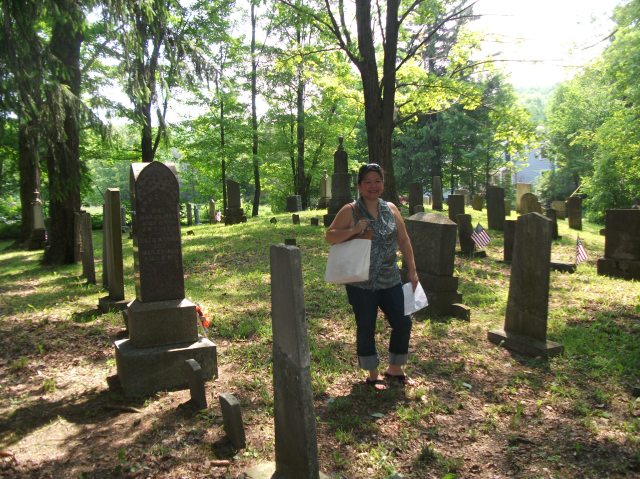
Socorro in the Central Chapel Cemetery Memorial Day 2012 – From left to right  Turk Family Monument,  and our ancestors Cornelius Turk, Mary Turk,  and Eleanor DeLong

Central Chapel Cemetery Burial Map Detail

Mary and Cornelius Turk Headstones — Central Chapel Cemetery — Memorial Day 2012. The actual headstones (as opposed to the family monument) are much smaller than the flag I found to commemorate the occasion.

Mary Turk Detail

Cornelius Turk Detail

Children of Cornelius and Mary:

Name Born Married Departed
1. Ada Turk 1805 [__?__] Johnson
2. Thomas Turk 22 Feb 1807 Caroline, Tompkins, NY Mary Snyder
c. 1842
New York
21 Nov 1889 Shiawassee, NY
3. Henry Benjamin Turk Mar 1809 Ulster, NY Deliah (Lila) Hamilton
22 Feb 1837 , Farmington, Tioga, PA
29 Jun 1895 Waterman Township O’Brien, Iowa
4. Mary Ann TURK 25 Sep 1811 Caroline, Tompkins, New York Josiah FOSTER
28 Apr 1831
5. Isaac Turk 3 Nov 1814
Delaware, NY
[__?__]
.
Adeline Doane (Dean)
Delaware, NY
3 Aug 1890 age 75 yrs., 9 mo’s 22 dys.
Caroline, Tompkins, NY
6. Zachariah Turk 26 Nov 1816 Slaterville, Tompkins, NY Mary L. [_?_] 30 Jan 1889
Caroline, Tompkins, NY
7. John D. Turk May 1818 Slaterville, Tompkins, NY Anna Finch 1901 Dryden, Tompkins, NY
8. Rachel E. Turk 1828
Slaterville, Tompkins, NY
[__?__] Ruthven

Cornelius’ name is found in New York Military Equipment Claims, War of 1812: Cornelius Turk, Residence of applicant, Caroline, NY, amount allowed $60.00.

The War of 1812 came at a time when settlers in this new land had made a good start with their farms or businesses. More that 40 Town of Caroline residents, along with Chief Wheelock, who served as a scout and was killed during the conflict, armed themselves and went to drive the British from our shores, once again. More than 2/3 of those who submitted requests for reimbursement to the State of New York never had their requests processed. There were 19 from the Town of Caroline who were fortunate enough to receive their reimbursements.

James Robinson, John A. Bois (Boice)–#8,330, Matthew Krum, Levi Slater, William VanIderstine–#8,326, Peter Bush–#9,225, William Hedger–#9,270, David Personius–#5,627, James Personius–#8,333,Barnabus Genung, Robert W. Dean, John Doty–#8,332, Col.Simon Ashley, Dr. Elisha Briggs, John Higgins, John A. Huslander (d.1874), Nicholas Huslander, David Paine, John Payne, Cornelius Turk–# 621  $60.00, Alexander Lewis–#1,434, William D. Ennest, Sampson Janson, Jonathan (John) Taft, William Perry, Ephraim Personius–# 619, John Linch (Lynch)–#1,870, Robert E. Muir, Capt. William Scott, Jesse Smith, Maj. Hemon Landon, James Cooper–#16,272, Sampson Jansen–# 720, Howard Edmister–#14,953, James Paine–#8,344, Frederick Quick–# 633, Samuel Ripley–#7,749, William Schutt–# 618, and Daniel Slater–#8,32

With a name like Caroline, you might think that the town(ship) was named after some lovely lady, but you’d be wrong. The as yet unnamed town was organized by a group of local residents who had gotten together at Bush Tavern in the hamlet of Boiceville. At that meeting, it was proposed that the town be named by opening a spelling book to a random page with the first female name found there becoming the name of the town. And so it was that, at a later meeting, a spelling book was produced, flipped open, and the name Caroline found and adopted.

Settlers had been living in the area since the late 1790s, but Caroline didn’t become an official town in Tompkins County until 1822.

People were attracted to the town for many reason. One reason was Six Mile Creek, a sometimes tempestuous creek flowing through the Caroline valley. The creek was dammed in many places and mills of all kinds built. At one time, the creek supported 23 mills, including grist, fulling and woolen, flour, and saw mills.

Another reason why people were attracted to Caroline in the early days was because the Catskill Turnpike–now state routes 206 and 79–ran though the town. Possibly an old Indian trail that ran from the back of the Catskill Mountains across much of the region, the Catskill Turnpike was a post road bringing mail and passengers via stagecoach to towns along the way like Whitney Point, Ithaca, and Watkins Glen.  The Turks lived very near to the Turnpike.

Cornelius’ last three children were born in Slaterville.  The community was named after Levi Slater.   Slaterville Springs is in the Ithaca metro area in Tompkins County on the northern edge of Caroline township on highway 79.
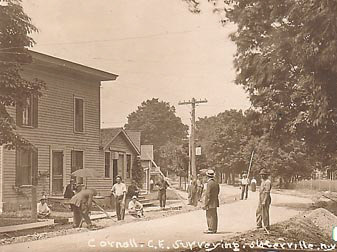
On State Route 79 (locally known as Slaterville Road) is the hamlet of Slaterville Springs. Originally known as just Slaterville, it was named in honor of the Town’s first teacher Levi Slater. Here you’ll find the town hall (originally the Slaterville school and on the National Register of Historic Places), the town’s only gas station, the St. Thomas Episcopal Church, and a number of houses with interesting architecture.

Water from the free-flowing artesian well in front of the Caroline Town Hall on Slaterville Road is free for the taking.

Slaterville Springs is well known for its artesian wells. One is located in front of the town hall. The water from these wells had, at one time, a rather mythical quality. In 1871, Dr. William Gallagher determined that the waters of the “magnetic springs” had curative properties. Two hotels–Fountain House and Magnetic Springs Hotel–operated in Slaterville during this time to accommodate tourists who wanted to take the waters. In 1890, the hamlet was renamed Slaterville Springs. Three years later, in 1893, the water from Slaterville Springs won an award at the Columbian Exposition in Chicago for its clarity and excellence. During this “spa era,” which began to decline in the 1920s, Slaterville Springs water sold for $2.50 per gallon

Caroline — The first Post Office was established one half mile east of Slaterville, in 1810 by Dr. Speed, who was the first Postmaster. After it moved to Caroline Center the “Tobeytown” Post Office was established. Later, a grand-daughter of Widow Earsley became Postmaster and the Post Office came to be known as the Caroline Post Office. The Post Office closed in 1902 and the hamlet came to be known as “Caroline”. At one time the hamlet boasted of saw mills, a grist mill, a cheese factory, a blacksmith’s shop, a small grocery store, a church and a few houses. “It is simply an agricultural settlement, not having progressed any since the destruction of the grist mill”.

Caroline Center (or Centre) — When the Post Office was established at “Centerville” in 1839 the name was changed to “Caroline Centre”. As “American” spelling became standardized, “Centre” became “Center”  At one time there was a general store, blacksmith shop, school, two churches, a grist mill and saw mill.

Centerville — This area of Caroline was purchased by Augustine Boyer in 1803. The hamlet that grew up was called “Centerville” due to its geographical location. It was located on “76 Road”, a pioneer highway of the town from Speedsville to Brooktondale. The name was changed to “Caroline Center” in 1839 when the Post Office was opened. (The original Post Office had been moved from the Catskill Turnpike and was known as the “Speedsville” Post Office, although the area around it was called “City Lot”. It later moved to “Jenksville” which became Speedsville) The first school was built in 1820 on land in the “upper end” of William Speed’s garden.

Central Chapel– An area in which the Shindagin Road and Brearley (Braley) Hill Road come together. A lovely old Church overlooked the intersection as late as 1939 but had not been used for many years.

The  Central Society of the Methodist Episcopal Church was organized in 1855. Brearley Hill Church and Central Chapel Church seem to have been an outgrowth of this Society.

Mr.  John C Gee (1866-1942) of Central Chapel was the owner of the abandoned church building that overlooked the intersection of Shindagin Road and Brearley Hill Road, as late as 1939. Each year he had charge of placing flags on graves of the war veterans buried in Central Chapel Cemetery across the road from his home. He had also been a trustee of the Central Chapel School District for many years. He had been known as a curio trader and traveler, widely known as a swapper, watch repairer and antique collector. Since childhood he had lived on a farm at Central Chapel. In the early 90’s, Mr. Gee sold and repaired bicycles. Often he pedaled to Syracuse, Binghamton, or other central New York towns to purchase parts.
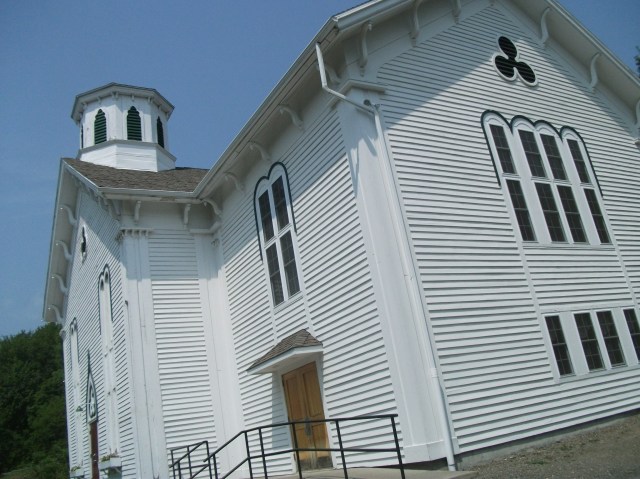
Caroline Center Church – Memorial Day 2012

The  Caroline Center Church became “inactive” in the mid-1960’s, the same time as Caroline, but was also used for community activities and meetings. In the 1970’s the Board of Trustees invited ministers to come and hold services but it became vacant again until June 1989 when a local minister started holding non-denominational services. The A-frame bell support fell during the attempt to ring the rusty bell during the Fourth of July 1976 Bicentennial celebration. The 400-pound, cast-iron structure dropped from its belfry and smashed to pieces on the church roof. The bell parts rested between the ceiling and the belfry for nearly 12 years before it was repaired and replaced. It was dedicated on 18 June 1989.
Caroline Center Church – Memorial Day 2012
Caroline Center Church – Memorial Day 2012

On August 2, 1890, the name of the Post Office at “Slaterville” was changed to “Slaterville Springs”. There was a permanent population of about 275 residents. “The Slaterville Springs Resort Business” was developed in 1893. By 1920, the resort business started to decline.

“West Slaterville” was the area formerly known as “Boiceville”. It extended as far westerly as the Dutch Reformed Cemetery. There was also a school, located across from the present Caroline Elementary School.

Caroline Northeast Topo Map

The Turks lived near the Catskill Turnpike.   The turnpike was built past Widow Earsley’s home about 1804. The eastern section of the original highway was constructed before 1804 from Catskill on the Hudson to Unadilla on the Susquehanna, and was officially known as the Catskill and Susquehanna Turnpike. The western section was known as the Susquehanna and Bath Turnpike or as the Jerico and Bath Turnpike. (Jerico was then the name of what is now known as Bainbridge.) The two sections, with two short, connecting turnpikes, were known as the Catskill, Jerico & Bath Turnpike but called more often The Catskill Turnpike.

In its time, this was a super highway, with marshy places traversed by corduroy roads. These were logs placed crosswise of the track to prevent wagon wheels or horses from becoming mired in the mud. It had stonewalls on either side paralleled by maple shade trees and eighty-nine red sandstone milestones along its route.

The Turnpike was paid for partly or wholly by fees collected every ten miles at Toll Gates–hinged bars or logs large enough to swing across the entire width of the roadway, that prevented passage through the gate until the Toll was paid. Toll Charges were as follows:

• For every score (20) of sheep or hogs–8 cents

• For every score (20) of cattle, horses or mules–20 cents

• Carts drawn by one horse–6 cents

• Each chariot coach or coach phaeton–25 cents

• Every cart drawn by 2 oxen–12 1/2 cents

• No Charge for person going to or from worship, his farm, or a funeral, to or from a gristmill for grinding grain.

• No Charge for going to and from blacksmith shop, going or returning with a physician, or attending election.

• No Charge for anyone residing within 4 miles of the gate, jurors or witnesses.

• No Charge for U.S. Troops and Army stores in transit or persons going or returning from military training.

When stage coaches were operating regardless of the weather, travel was kept up through the year. Sometimes in heavy traffic, two 4-horse coaches and a baggage wagon were operated at one time. P. C. Sloughter was one of the stagecoach drivers on the Catskill Turnpike. He wrote to Lyman H. Gallagher the following:

“You asked me what I can remember about my driving stagecoach on the Catskill Turnpike from Ithaca…in 1857, I drove from Ithaca to Lisle. Some called it Mud Lake. We used to stop at Boiseville [Boiceville], Slaterville and Tobeytown [now Caroline]…If I remember rightly, I made two trips a week, up one day and back the next. The road was very rough and bad. I drove two horses.

There is a story that “a toll gate on the Catskill Turnpike stood nearly opposite the residence of Michael Krum (corner of Ellis Hollow Road and NYS Rt. 79). The Chambers family lived in a large square house in front of which a tollgate was located and the family were in charge of collecting toll for Turnpike use.

About 1818 or 1820, the road was neglected and became almost impassable, so a party of 8 or 10 farmers came with their ox teams to draw off the gate. They hitched 7 or 8 teams to it–John Mulks was the first one to hitch on. They drew it from Krum’s to above Tobey’s or Vickery’s Tavern where they halted for liquid refreshments and jollification of the event.

Just as they began to feel warmed up, Noble Howard of Lisle who was very impressed with the Turnpike (and may have been an officer of the company) arrived at the Tavern. The men formed a line on both sides of the gate and compelled him to go through the gate and pay the toll. He did it and then they cut it into firewood and had a general spree.”

The gate was not replaced and the road was worked by assessment of highway labor to the Eastern Tollgate near Padlock.

DeWitt Clinton left this description of an experience at a local stage coach story in August 1810.

‘Fourteen miles from Ithaca, in the Town of Spencer, Tioga County (now Town of Caroline, Tompkins County) is a settlement of Virginians called Speed; they are all Federalists. An old man by the name of Hyde belonging to it, spent at least five hours in the tavern today, and went off so drunk that he could hardly balance himself on his horse.

Behind him was a bag, containing on each side a keg of liquor, and his pockets were loaded with bottles. In the barroom he abused Jefferson, Madison, and a number of other leading Republicans.'” (Ithaca Journal–“Glance Backward” by Barbara Bell)

The first tavern in the Town of Caroline was a “blockhouse” built by Richard Bush in 1801. For many years it was known as “Bush’s Stand”. He died during the War of 1812, and his widow continued to conduct the tavern. This tavern was the scene of many dances and parties in the old days. A celebrated violinist of the locality furnished suitable music for these social affairs. The tavern stood on the south side of the Catskill Turnpike (2505 Slaterville Road–a historical marker marks the spot) and on the farm across the road, were kept in the early days, a large number of horses which were used as stagecoach teams on the Catskill Turnpike. The change of teams was made here at Bush Tavern. Many of the droves of livestock which passed daily over the turnpike were also pastured there for the night, on land that was part of what was later Bull Tavern.

Highway 79 Marker — Memorial Day 2012

Boice’s Inn or the Boiceville Tavern was built by Abraham Boice, Jr., who came from Ulster County in 1816. He built a tavern on the present site of the vacant lot with a flowing spring. After the removal of the old tavern, a house was built to be used for a hotel. Part of the original tavern was moved to a farm somewhere north of Slaterville. This tavern was famous for its “spring” dance floor.

The Rawson Hollow Inn is situated at 702 Blackman Hill Road near Goodrich Road. Early Town Board records tell that Lyman Rawson was fined for selling “Speerits” without a license in 1816.

Rich’s Tavern was established by Captain David Rich after his arrival in March 1795 — one week before the Earsley family moved into their cabin. It was situated at 3416 Slaterville Road.

Tobey Tavern is marked by a “Tobeytown” Historical Marker across from 3204 Slaterville Road. The tavern was torn down when Cornell University established a ski slope on the hill at the back. The property is currently divided into housing lots. The elm tree that is still standing (1993) was located near the barnyard. The Vickery Tavern , kept by George Vickery about 1808 was also located on this property.

The Cass or Bull Tavern was built after the closing of the Bush Tavern, across the street, in 1815. Today, it is 2490 Slaterville Road. Josiah Cass conducted the inn for three years, then it changed hands to Aaron Bull and was run by him as a public inn for thirty years or more. Aaron Bull closed his tavern about 1848.

In the 1850 census, four generations of Turks were living together in Caroline, Tompkins, New York. Mary’s elderly mother Eleanor, Cornelius and Mary, their son and head of household Isaac, Cornelius’ daughter Rachel and Rachel’s son Edwin Ruthven.  .   Eleanor’s origin is listed as unknown. She may have been from France, but there are a lot of DeLongs living in Caroline, NY.

Isaac Turk 37 (Farmer)
Cornelius TURK 70 (Retired)
Mary TURK 68
Rachel E Turk 22
Edwin Ruthven 3
Eleanor De LONG 89

Cornelius’ son Zachariah and his wife Mary occupied the census record next door.

Children

In the 1860 census, Cornelius and Mary were still living with their son Isaac in Caroline, Tompkins, New York.  Four of his children’s families were farming very close to each other in Caroline township:  Thomas and Mary, Isaac and Adeline, Zachariah and Mary, and John and Anna.

2. Thomas Turk

Thomas’ wife Mary Snyder was born in 1815 in New York.  Thomas and Mary died in Michigan.  Headstone says she died in 1906. They have her year of birth wrong, though.

Thomas & Mary (Snyder) Turk came from Tompkins County, New York in 1877, purchasing 80 acres of woods for $150 in Venice Township. – Sect. 1, A two year old steer paid the taxes.

Venice Township, Shiawassee County, Michigan

1840 census – Tompkins Co., NY: Caroline,  [males: 2 <5, 1 30-40; females: 1 <5, 1 20-30].
1850 census – Tompkins Co., NY: Caroline, p. 14A, 211/215 [farmer] [age 43; b. NY].
1860 census – Tompkins Co., NY: Caroline, p. 42, 1396/1391 [farmer] [age 53; b. NY].
1880 census – Shiawassee Co., MI: Venice, E.D. 362, p. 13 [548A], 102/106 [farmer] [age 73; b. NY] [parents b. NY].

Children of Thomas and Mary

i. Cornelius Turk b: ABT 1834 in NY

ii. Catharine Turk b: ABT 1837 in NY

iii. George W. Turk b: 5 Jul 1841 in Caroline, Tompkins, NY; d. May 21, 1862 at Civil War Battle of Fair Oaks. His remains are buried on the battlefield

Residence: Ithaca, New York
Enlistment Date: 16 Jul 1861
Enlistment Location: Caroline, Tompkins, New York
Regiment: 65th Infantry Company: D
Rank: Private

The 65th, known as the U. S. Chausseurs [footgear], composed of members from Eastern New York and a number from Connecticut, Rhode Island and Maine, was mustered into  service at Willett’s Point, L.I., in July and Aug., 1861, for three years. It left the state for Washington on Aug. 27, was assigned to the 3d provisional brigade until Sept. 19, when it became a part of Graham’s brigade, Buell’s division, and in March, 1862, joined the advance to the Peninsula as a part of the 2nd brigade, 1st division, 4th corps. It was present at the siege of Yorktown and active during the Seven Days’ battles, with a loss of 68 in killed, wounded and missing.

The Battle of Seven Pines, also known as the Battle of Fair Oaks or Fair Oaks Station, took place on May 31 and June 1, 1862, in Henrico County, Virginia, as part of the Peninsula Campaign of the Civil War. It was the culmination of an offensive up the Virginia Peninsula by Union Maj. Gen. George B. McClellan, in which the Army of the Potomac reached the outskirts of Richmond.

Although the battle was tactically inconclusive, it was the largest battle in the Eastern Theater up to that time (and second only to Shiloh in terms of casualties thus far, about 11,000 total) and marked the end of the Union offensive, leading to the Seven Days Battles and Union retreat in late June.

iv. Sarah Minerva  (Sally Mae) Turk b: Apr 1843 in Caroline, Tompkins, NY; d. Standish, MI; m1. on Wednesday, May 11th 1864 to Charles Henry Eastman.  He was born 1839 in Danby, NY; m2.    Sarah married again after Charles Henry Eastman died. Her last name at death is Robinson.

vi. Rachel Ann Turk b: 1847 in Caroline, Tompkins, NY m. 25 Feb 1878 in Caroline, NY At the house of Mr. John Lynch in Caroline, NY to  John W. Quick

vii. Harriet (Hattie) Turk b: 27 Apr 1850 in Caroline, Tompkins, NY

viii. William Rolla Turk b: 15 Mar 1858 in Caroline, Tompkins, NY; d. 11 Feb 1934 in Genesee, MI; m. 26 Jan 1877 in Lennon, Shiawassee, MI to Ella Amanda St. John b: 15 Jan 1858 in Genesee, MI

3. Henry Benjamin Turk

Henry Benjamin Turk lived in Farmington Township, Tioga County, PA in the 1840, 1850 and 1860 census, the same place as our ancestors Mary Ann TURK and Josiah FOSTER.

Henry’s wife Deliah (Lila) Hamilton was born 15 Jan 1815 in Caroline, Tompkins, NY. Her parents were Andrew Hamilton and Elizabeth Cheeseman.  Lila died 19 Dec 1906 in Chelan, Chelan, WA.

1906 Obituary of Mrs. Delilah Hamilton:

For the third time in a few weeks death again visited Mr. Turk’s family, this time taking away his aged mother.  Mrs. Delilah Hamilton Turk, was born in Tompkins Co. N.Y. Jan 15, 1815. Her father was a cousin to Alexander Hamilton.  The deceased taught school several years in her younger days.  In 1827 she was married to Rev. H.B.Turk, a Methodist minister who preached for that denomination for over 60 years, mostly in New York & Pennsylvania.  He held the office of presiding elder several years.  The family came west in 1862, her husband dying in Iowa in 1895.  Mrs.. Turk came to Chelan about four years ago with her only son  H.B.Turk.  She passed away painlessly December 19th, with a firm faith in the religion which she professed, having united with the M.E. church when fifteen years of age.  Her funeral was held in Chelan M.E. church.  She leaves to mourn her loss one son out of 11 children.  She also leaves 18 grand children and 30 great grandchildren.  Worthy of Honor”

1840 census – Tioga Co., PA: Farmington [males: 1 20-30; females: 1 <5, 1 20-30].
1850 census – Tioga Co., PA: Farmington, p. 264, 104/107 [farmer] [age 40; b. NY].
1860 census – Tioga Co., PA: Farmington, p. 94 [288], 721/700 [farmer] [age 48; b. NY].
1870 census – Franklin Co., IA: Oakland Twp., p. 8 [387], 20/21 [local preacher] [age 60].
1880 census – Wright Co., IA: Wall Lake, E.D. 254, 67/69 [farmer] [age 70; b. NY]

Children of Henry and Deliah (Lila)

i. Mary Elizabeth Turk b: 23 Mar 1839 in Caroline, Tompkins, NY; d. 1 May 1895 in Iowa City, Wright, Iowa; m. 30 Jun 1856 Age: 17 Tioga, Tioga, Pennsylvania to Charles Wesley Walton

Charles Wesley Walton

Letter from Grandmother Delila Hamilton Turk to her Grandson Shirley Walton, March 1, 1896 Sutherland, Ia. (Post marked Peterson, IA)

“Shirley, You are placed in a very peculiar position. You must remember that your father was left alone, that is his wife was gone not to return and he must live with out her. If he saw fit to take another to his bosom don’t blame him. Do your duty as a son and make his old age comfortable as you can. Always be kind and gentle- always show a Christian spirit. Honor your father that your days may be long in the land, I write this because I have great interest in your welfare. My children are all gone but one, therefore I take great interest in my Grandchildren. I want them all to be good faithful Christians.”

She closed her letter by saying what a good home she has with her son. All of her Children were gone but Ben.(Henry Ben Jr).

ii. Zachariah Turk b: 1844 in Farmington, Tioga, PA  was also known as Oscar J. Turk. m. Ruth Hagaman on 23. Mar. 1866 at Hampton, Franklin County, Iowa; d. 21. Feb. 1916 at Dayton, Montgomery County, Ohio

ii. Susan A. Turk b: 1847 in Farmington, Tioga, PA; d. After 1860 census

iii. Sabrina C. Turk b: 1849 in Farmington, Tioga, PA; d. After 1860 census

iv. Thomas J. Turk b: 1854 in Farmington, Tioga, PA; d. After 1870 census

v. Henry Benjamin Turk Jr. b: 15 Oct 1857 in Farmington, Tioga, PA; d. 17 Nov 1953 in Wenatchee, Chelan, Washington; m. 10 Nov 1886 in Galt, Wright, Iowa to Corinna Lucretia Stanford b: 18 Sep 1861 in Rowe, Franklin, Mass. d. 8 Jan 1945 Chelan, Chelan, Washington

Henry and Corrine were married by her father. Corrine was a teacher. They were Methodists. On find a grave it says he moved to Iowa as a young man. He was a telegraph operator and later a farmer when he moved to Iowa. In 1901 he and his family moved to South Dakota where he homesteaded and purchased a home. He died in Wenatchee, Chelan, Washington at age 97. And is buried at Chelan fraternal Cemetery.

Corrine moved with her parents to Wisconsin in 1867. The family moved by ox team wagon to Cherokee County, Iowa, where they homesteaded at a later date.  She was educated in the Wesley Seminary, Minnesota, she taught school for several years. She was married in Cherokee County, Iowa, Nov. 10, 1886 to Henry Benjamin Turk, coming to Chelan in 1902, where they have since resided.  Mrs. Turk continued her membership in the Methodist Church in Iowa, and she was also a member of the American Legion Auxiliary, being a Gold Star mother.   Surviving are her husband; three sons, Burton of Manson, Vernon of the U.S. Navy and Lloyd, who is in the air corps. .

On their son Kenneth Turk’s (1891-1918) record it says Kenneth was born in Iowa and came to Chelan Washington with his parents in 1902, then he and his parents moved to Friend,, Oregon in 1908. Then Kenneth moved to California and was in the aviation dept. Signal Service Corps. Three of Henry Turk Jr. and Corrine’s other sons died of typhoid fever in 1906 while living in Chelan, Washington..

5. Isaac Turk

Isaac was a veteran, probably of the Civil War.  Cornelius and Mary lived with Isaac in the 1850 and 1860 censuses.  His second wife Adaline Dean was 26 years younger.  She was born in 1840 and  died 25 Mar 1877 age 36 yrs., 1 mo 23 dys.

Turk Monument Central Chapel Cemetery – Isaac Turk Memorial Day 2012

Isaac Turk Age = 47
Adeline Turk 20
Cornelius Turk 3
Ettela Turk 4/12
Edwin Turk 13
Cornelius Turk 79
Mary Turk 77

1850 census – Tompkins Co., NY: Caroline, p. 14A, 212/216 [farmer] [age 37; b. NY].
1860 census – Tompkins Co., NY: Caroline, p. 42, 1397/1392 [farmer] [age 47; b. NY].
1870 census – Tompkins Co., NY: Caroline, p. 24, 209/220 [farmer] [age 55; b. NY].
1880 census – Tompkins Co., NY: Caroline, E.D. 222, p. 15 [8C], 158/168 [farmer] [age 65; b. Delaware (Co.)]   [widower].

Children of Isaac and Adaline:

i. Edwin Turk b. 1844 or 1848 according to Civil War Record 1847 according to 1860 census, Enlisted in Caroline, NY in Company K, New York 137th Infantry Regiment as a Private on 29 Aug 1862. Age at enlistment: 18
Promoted to Full Corporal on 12 Aug 1863.

Killed 29 Oct 1863 at Wauhatchie, TN.  The Battle of Wauhatchie was fought October 28–29, 1863, in Hamilton and Marion Counties, Tennessee, and Dade County, Georgia, in the American Civil War. A Union force had seized Brown’s Ferry on the Tennessee River, opening a supply line to the Union army in Chattanooga. Confederate forces attempted to defeat the Union force defending the ferry and again close this supply line but were defeated. Wauhatchie was one of the few night battles of the Civil War.

The 137th regiment, recruited in the counties of Tompkins, Tioga and Broome-the 24th senatorial district-was organized at Binghamton, and was there mustered into the U. S. service for three years on Sept. 25-26, 1862. It left on the 27th 1,007 strong, for Harper’s Ferry, and was there assigned to the 3d brigade, 2nd (Geary’s) division,-the “White Star” division-12th corps, to which it was attached throughout the whole period of its active service.

The list of important battles in which the regiment took part includes Chancellorsville, Gettysburg, Wauhatchie, Missionary ridge, Lookout mountain, Ringgold, Rocky Face ridge, Resaca,

Cassville, Lost mountain, Kennesaw mountain, Peachtree creek, the siege of Atlanta, and numerous minor actions on the march to the sea and in the campaign of the Carolinas.

Col. W. F. Fox, in his account of this regiment, says: “It won special honors at Gettysburg, then in Greene’s brigade, which, alone and unassisted, held Culp’s hill during a critical period of that battle against a desperate attack of vastly superior force. The casualties in the 137th at Gettysburg exceeded thoseof any other regiment in the corps, amounting to 40 killed, 87 wounded and 10 missing.

Two regiments on Steuart’s left, the 23rd and 10th Virginia, outflanked the works of the 137th New York. Like the fabled 20th Maine of Col. Joshua L. Chamberlain on Little Round Top earlier that afternoon, Col. David Ireland of the 137th New York found himself on the extreme end of the Union army, fending off a strong flanking attack. Under heavy pressure, the New Yorkers were forced back to occupy a traversing trench that Greene had engineered facing south. They essentially held their ground and protected the flank, but they lost almost a third of their men in doing so. Because of the darkness and Greene’s brigade’s heroic defense, Steuart’s men did not realize that they had almost unlimited access to the main line of communication for the Union army, the Baltimore Pike, only 600 yards to their front. Ireland and his men prevented a huge disaster from befalling Meade’s army, although they never received the publicity that their colleagues from Maine enjoyed.

Units from other Union corps aided Ireland’s regiment, but it retained its dangerous post until after the last Confederate assault on July 2, after 10 p.m. The battle that night ended when the 137th made two bayonet charges, stopping the Confederate advance.  Regimental losses were reported as 40 killed, 87 wounded, and 10 missing, including 4 officers dead.

The 12th corps left Virginia in Sept., 1863, and went to Tennessee, joining Grant’s army at Chattanooga. In the month following their arrival the regiment was engaged in the midnight battle at Wauhatchie, where it lost 15 killed and 75 wounded; and, a few weeks later, fought with Hooker at Lookout mountain in the famous ‘battle above the clouds;’ casualties in that battle, 6 killed and 32 wounded.

ii. Cornelius (Neil) Turk b: Mar 1857 in Caroline, Tompkins,NY,m. 1888 to Leona B.[__?__] b: Jul 1860 NY In the 1920 census, Neil was a factory laborer in Syracuse Ward 5, Onondaga, New York.  His daughters were named Hilda and Zelda.

ii. Estella J. (Stella or Nellie) Turk b: Apr 1860 in Caroline, Tompkins, NY; d. After 1880 census m. 30 Jul 1882 to Thomas. A. Lynch from Caroline, age 25, born Caroline, NY. Farmer, son of John Lynch & Caroline Willsey

iii. George W. Turk b: ABT 1863 in Caroline, Tompkins, NY died 3 Oct 1886 age 23 yrs., 4 mo’s 25 dys.

George W Turk Monument – Central Chapel Cemetery – Memorial Day 2012

iv. Ulin Turk b: ABT 1868 in Caroline, Tompkins, NY; d. after 1880 census m. 27 Oct 1888 to Charles D. Norris, From; Caroline, NY, Born; Cordovia, Minn., age 21, Farmer, son of; Walter Norris & Melissa Stevens. Evelynn TURK From; Caroline, NY, age 21, dau. of Isaac TURK & Adaline Dean

6. Zachariah Turk

Zachariah’s wife Mary [__?__] was born about 1826 in New York.

Zachariah lived next to his brother John in the 1850 and 1860 census.  Zachariah was the leader of the Central Chapel Church in 1871 and 1886.

Children of Zachariah and Mary:

i. Melvina Frances Turk b.  1848 in Caroline, Tompkins, NY.  d. 25 Nov 1861 age 13 yrs., 3 mo’s ” God wanted our bright angel more And from the midst of grief’s alarm He carried Frances tenderly to rest in Jesus’ arm.”

ii. Amelia Turk b. ABT 1851 in Caroline, Tompkins, NY; d. After 1860 census

iii. Arthur J. Turk d. 3 Jun 1864 age 11 mo’s 14 dys

iv. Charles B. Turk b. May 1855 in Caroline, Tompkins, NY; d. 1915. m. Elizabeth A. (Libbie) [__?__] in Candor, Tioga, NY

v. Marcellous Everett Turk b. abt. 1859 in Caroline, Tompkins, NY; m. Fannie E. Miller. She was born Nov 1860 in NY.  Marcellus Turk died Jan. 7, 1890 age 31 yrs., 2 mo’s 4 dys.

vi. Sarah M. Turk b. abt. 1868 in Caroline, Tompkins, NY; d. After 1880 census

7. John D. Turk

Caroline Census 1860: Turk, John 40, Ann 32, Eliza 14, Emeline 11, Theordore 7, Barney 4, Monford 4 months.  John’s wife Anna Finch was born 1827 died 1892.

John D Turk Memorial Day 2012

Children of John and Anna:

i. Eliza (Louisa) A. Turk b. Jun 1846 in Caroline, Tompkins, NY. m. Richard C Rummer. He was born in Dryden, October 5, 1852, and was among the earliest settlers in the town. He was educated in the common schools and finished at Dryden Academy, under Professor Jackson Graves. At the age of twenty-three he married Olive Helfron, who passed away in 1880 and in 1889 he married Louisa A., daughter of John Turk, of Caroline, and they have one daughter and one son. In 1889 he bought the homestead farm of 200 acres and in 1891 part of the Cady estate of forty-eight acres, having 248 acres, and raising hay, grain and stock, making a specialty of dairying. Our subject takes the Republican side in polities, and is now president of the Board of Health of Freeville. He is interested in school and church matters and takes a prominent part in advancing the best interests of his town.

ii. Emeline (Emma) Turk b. 23 Feb 1850 in Caroline, Tompkins, NY; d. 1935; m.

Richard Carl Leonard

8 Oct 1871 Age: 21 to Richard Carl Leonard (1850 – 1933)

Emma Turk Leonard Headstone – Central Chapel Cemetery

iii. Theodore Turk b. ABT 1853 in Caroline, Tompkins, NY; d. 16 Dec 1851 age 8 yrs., 2 mo’s 26 dys.

iv. Barney Turk b. 1857 in Caroline, Tompkins, NY; d. 22 Nov 1861, age 4 yr’s 5 mo’s 24 dys. When the cemetery was restored, Barney’s little monument was reset. Under his monument was found pieces of another grave marker, the only part of this marker that could be read was: Sidney, son of Elezar & Harriet. No surname could be read. It is unknown if this headstone was from this cemetery or if it was just used as a foundation to set the monument.

v. Montford W. Turk b. Apr 1860 in Caroline, Tompkins, NY Town of Caroline marriage records: Montford Turk from Slaterville Springs, NY., age 24, born Slaterville Springs, NY; a carpenter, son of John Turk and Anna Finch, married Nov. 11, 1883 to Rebecca Osborn from Port Crane, NY, age 19, born Port Crane, NY, daughter of Benjamin Osborn & Unice Randall.

vi. Carrie M. Turk b. 24 Aug 1864 in Caroline, Tompkins, NY; d. 26 Oct 1901 Burial: Caroline Grove Cemetery , Caroline, Tompkins, New York; m.  Henry R Schutt (1860 – 1939)

vii. Lottie U. Turk b. 1866  d. 21 Sep 1866 age 8 mo’s 13 dys.

vii. Rev. DeGrove Turk b. 1871 in Caroline, Tompkins, NY; m. Grace A. Shear. She was born 1877 in NY

Sources:

http://trees.ancestry.com/tree/15116357/person/242960338

http://wc.rootsweb.ancestry.com/cgi-bin/igm.cgi?op=GET&db=turk-society&id=I11235

www.carolinehistorian.org/historyword.doc

New York: Index of Awards on Claims of the Soldiers of the War of 1812 By New York (State) Adjutant General’s Office

http://trees.ancestry.com/owt/person.aspx?pid=28102666

http://www.ilovethefingerlakes.com/countiesandtowns/tompkinscounty-caroline.htm

http://nytompki.org/cemeteries/centralcem.htm

http://nytompki.org/cemeteries/central_chapel_cem_map.htm

http://www.carolinehistorian.org/

http://nytompki.org/towns/tcrln.htm

http://wc.rootsweb.ancestry.com/cgi-bin/igm.cgi?op=REG&db=turk-society&id=I12588
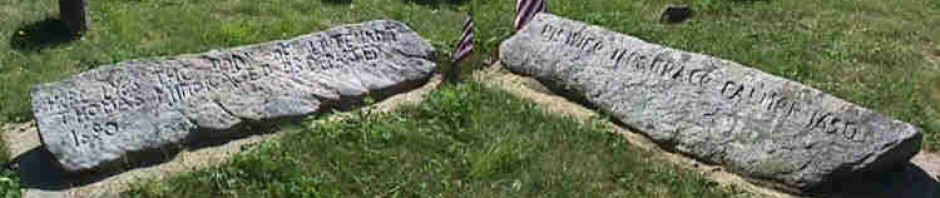
Posted in -7th Generation, Line - Shaw, Veteran | Tagged , , , | 7 Comments

Capt. Robert Ware

Capt. Robert WARE (1611 -1699) was Alex’s 10th Grandfather; one of 2,048 in this generation of the Shaw line.

Robert Ware – Coat of Arms

Robert Ware was born in 1611 in Glouchestershire, England. His parents were Robert WARE (1595 – 1659) and Jane WADE (1595 – ). He came from his English home to the colony of Massachusetts Bay some time before the autumn of 1642. The earliest date at which the name in any form occurs on the Dedham Records, is 25 Nov 1642, when “Robert Weares is admitted to the purchase of Thomas Eames his house lott and three acres of land.  He married Margaret HUNTING 24 Mar 1645 in Dedham Mass. Six years after Margaret’s death, Robert, then about 51 years of age, married Hannah Jones 3 May 1676. Robert and Hannah lived long lives for their time. He became known as Robert Ware “the Aged.” He died in Dedham on 19 Apr  1699, at 74 years of age, leaving an estate of more than 250 pounds.

Margaret Hunting was probably born in England.  Her parents were John HUNTING and Esther SEABORN.  According to Robert Brand Hanson’s history, Dedham, Massachusetts 1635-1890, John Hunting had been a wandering evangelist in England. After some political-religious skirmishes in the formation of the first church in Dedham and the selection of the first pastor (John Allin), Hunting became the first Ruling Elder of the Dedham church.   Margaret died 26 Aug 1670, survived by her parents. When her mother, Esther Hunting, was a sister of Francis Seaborn died five years later (her Will dated January 4, 1675), she left a one-fourth share of fifteen pounds to the children of her “daughter Ware deceased.”

Hannah Jones was  born 28 Mar 1636.  Her father was Thomas Jones of Dorchester.   Hannah died on April 20, 1721, at age 85.

Children of Robert and Margaret:

Name Born Married Departed
1. Lt. John Ware 6 Oct 1646 Mary Metcalf (Sarah’s sister)
10 Dec 1668
Dedham
.
Joanna Gay Whiting
24 Mar 1678/79
.
Dorothy Wood Nicholas
21 Dec 1709
7 Apr 1711
Wrentham, Mass.
2. Nathaniel Ware 7 Oct 1648 Mary Wheelock
12 Oct 1696 Wrentham, Norfolk, Mass
10 Jul 1724
Wrentham
3 Margaret Ware 14 Feb 1650/51 22 Jul 1664
4. Robert WARE 1 Aug 1653 in Dedham, Mass. Sarah METCALF
4 Jun 1677 Dedham, Mass
16 Sep 1724 Wrentham (Franklin), Norfolk County, Mass.
5. Esther Ware 28 Sep 1655 Rev. Samuel Mann
19 May 1693
Wrentham
3 Sep 1734
Wrentham
6. Samuel Ware 30 Sep 1657 Elizabeth Rice
21 Jul 1690 in Dedham, Norfolk, Mass
.
Sarah Fuller
27 Jul 1721 Dedham, Norfolk, Mass.
March 1730/31
7. Ephraim Ware 5 Nov 1659 Hannah Herring
13 July 1685 Dedham
25  Mar 1753
8. Elizabeth Ware 19 Nov 1661
9. Joseph Ware 8 Sep 1663 22  Sep 1663
10. Ebenezer Ware 28 Oct 1667 Martha Herring
18 Mar 1689/90
.
Ann Harrison
13 Jun 1754 in Needham, Norfolk, Mass
1765

Military service: King Philip’s War

Before his purchase of the house and lots owned by Thomas Eames, Robert Ware had likely resided in the Massachusetts Bay Colony area for a few years, perhaps living in Watertown. So many settlers had moved into Watertown by the late 1630’s that settlers there sought grants of land to establish new towns.

Unlike Eames, who moved several times before settling down, Robert Ware made Dedham his permanent home. He accumulated wealth, as indicated by his standing third on the tax rolls in his later years. Various other grants were made to him of land in different parts of the town ; on Dedham Island, and (in what was afterwards Needham), on Rosemary meadow brook, on the Great Plain, and near Magus Hill, etc. One lot of “three roods and twenty rod, more or lesse,” was the second lot east from the N. E. corner of Webster Street and Great Plain Avenue in Needham.

The earliest date at which the name in any form occurs on the Dedham Records, is Nov. 25, 1642, when “Robert Weares is admitted to the purchase of Thomas Eames his house lott and three acres of land.” Printed below is a copy of another document signed December 6, 1642, granting Ware an additional plot of land.

Robert Ware 1642 Land Grant

Robert Ware joined the church at the time of the baptism of his eldest child, October 2 or 11, 1646. He was made freeman May 26, 1647 ; was member of the Artillery Company in 1644. He lived and died in Dedham, though three of his sons — John, Nathaniel and Robert — removed to Wollomonopoag, set off in 1661, incorporated as Wrentham in 1673. His name stands second in point of wealth on the tax list.

Robert Ware’s Will, published in Emma Forbes Ware’s Genealogy, gives us some idea of the scope of his life. He owned a house large enough to leave the “East end” for the use of his wife Hannah, along with portions of his barn, orchard, pasture land, planting field, a fenced lot, and a broad meadow. He also left for her use “one horse beast” and as much of the household stuff as she should stand in need of, and “Twenty pounds of money.” He further stated that his son Samuel, who with his own family would be living in the west end of the house, would provide all the firewood Hannah would need and that, in return, Samuel should be paid “what is just” from his estate for this duty. The remainder of the barn and other buildings, and portions of the orchard and pasture land and lots were also left to Samuel. Other lands were left to his sons Ephraim and Ebenezer, both of whom died in Needham, and smaller amounts of land to “my children at Wrentham.”

“Robert Ware the Aged” died in Dedham, April 19, 1699, His will, made February 25, 1698, was proved May 11, 1699. The inventory, taken May 3, was £250, 2, 10.

Will of Robert Ware of Dedham.

In the year of our Lord one Thousaud six hundred Ninety eight nine, the twenty fifth day of February, I Robert Ware of Dedham, in the County of Suffolk in his Majesty’s Collony in the Massachusetts bay in New Englaud, being put in mind of my great chang, by age, & tin: infirmities thereof, according to my duty, I do hereby, in the time of my life, & in the injoym’ of my understanding make, ordeyne & declare this to be my Last will and Testam*, for the disposeing and setleing of those things of my Estate which the Lord he be trusted me with, wherein first, I comit my precious soul into the hands of almighty God, in and through the Lord Jeses christ, my most blessed Redemer, & my body to the earth to I”‘ therin interred in christian bury all at the discretion of my executor & heerin heorafter named. ,- Imp”

I do heerby gine unto my Deare and well beloved wife Hannah ware the use & improuement of the East end of my dwelling house & the north end of my barne- & halfe my orchard & one third part of my pasture land near my house & at y north end of the island planting feild, & one third part of my lot that I purchased of John Keelum ye is fenced in pertickular, & halfe my broad meadow that lye betwixt the lands of John Eaton & the widdow Kingsberry, & one horse beast, and as much household stuff as she stand in need of, for her use all the tearme of her naterall life, all the things aforresaid and the Twenty pounds of money, she haue receiued, for her to dispose of as she so cause, & my son Samuel is to provide her with wood fit for the fier at all times what she shall need, vV he to be paed out of my estate what is just,

also I giue unto my loueing wife y e use and improuem’ of two acres of land ye is broken up where Samuel haue a part neer mague hill.

Furthermore my mind & will is that each of my children shall haue equal portions in my estate excepting my son John Ware who haue Twenty pound more then a single portion, & what I have given to each of my children formerly as it is set donne in my book is to be acounted to each of them as a part of there portion, and for most of my lands I do deuide them amongst my three sons in Dedham, and what they, or any of them shall hane more than there equall portions they must make good payment for the same to my executo rs within the space of four yeares after my & my wiues decease for them to pay them that want y e makeing up of ther portions as followeth : —

Item. I giue unto my Son Samuel Ware & to his Heirs & Assignes foreuer the west end of my dwelling house and the South end of my bearn, and my new beam, and my shop, and halfe my oarchard, & two parts of three of all my pasture land, neer my house, & Greens lot, & two thirds of all my land at the north end of y e Island planting feild, & two parts of three of y e land I purchased of John Keelum, & a quarter part of my broad meadow, & my foule meadow, & all my swamps near my house, and about Greens lot, & my swamp neer south playne, & my land at the clapbord trees, more, hue acres of woodland near to meadfeild way, as it abut on Joseph Wights lot, more, I giue unto him halfe of that land I bought of Mr Dwight near to magus hill abuteth on y e Lands of widdow Metcalfe west & Jn° Eaton east, more, one third part of my land at ye stamping place, & one third part of my land at chesnut hill. & halfe my land at magus hill within fence, & halfe my laud on the north side of my fenced land & after ye decease of my deare wife, Samuel my Son is to haue all my houssing & all my oarchards, & all the land near my house, uplands & swamps, Greens lot, & all my swamps about it, & all my lands at y e northerly end of planting feild, meadow & upland as it abutteth on the east on charles riuer & ye pond north, And all my meadow and upland y l is fenced in with Eleazer Kingsberys lands near Vine Rock & halfe my broad meadow, and four cow comon Rights.

Item. I giue unto my son Epherim & to his Heirs & assignes foreuer, that land I purchased of Mr Dwight ye abut on his house lot east, & halfe my land near magus hill within fence, and halfe my land one the north side of my land fenced in, & all my Small parcels of meadow near it, & one third part of my land at the stamping ground, and one third part of my land at chesnut hill & three cow comon Rights & one fourth part of broad meadow & after the decease of my wife, one third part, & all my children shall haue equall share in my lot at the great ceader swamp.

Item. I giue unto my son Ebenezer Ware & to his Heirs and assignes foreuer all my Land as it lyeth abutting iq>on Daniels swamp meadow east, Samuel Parker north, more, one parcell of land a little distant from his house lot towards the east, by Jn° Woodcocks land more one third part of my land at the stamping ground, more a third part of my land at chesnut hill, & alter my wiues decease a third part of my broad meadow, & three cow comon Rights.

Item. I giue unto my children at Wrentham onwards there portions to be equally deuided betwixt them all my moueables, cattell & household stuf what my wife can spare, & my clothes & all debts due to me & eight acres of Land I purchased of Henery Brock & Lambert Ginery as it lyeth in the Island planting feild, more, three acres of land I purchased of Thomas Eames abutting ou Jn° Woodcocks, after the decease of my wife the household stuff she haue to use, to be equally deuided amongst them.

It is my mind and will is that my houses and lands near home may be low prised, & the lands in planting feild, being poor lands & require much fenceing, I do apoinl & impower my well beloned sons John Ware, Robert Ware & Samuel Mann to be the executor of this my last will and Testam’ & I request and impower my loueing riends Deacon Thomas Metcalfe,

Deacon William Avery, & Deacon Joseph Wight to be ye ouerseers or supervisors to determin any differences that may arise from or betwix any persons concearned in this my last will, & what they or two of them if any dye surviviing shall determin shall be of full force at any & all times must be taken for to recompence y e executor & ouerseers.

To confirme this my last will and testament I haue hereunto sel to my hand & Seale ye date afores d .

Robert Ware Sr Signature

In presence of
Thomas Battelle
hannah Alderidge
Thomas Fuller

Children

1. Lt. John Ware

John’s first wife Mary Metcalf (Sarah’s sister) was born 15 Aug 1646 in Dedham, Suffolk, Mass. Her parents were Michael METCALF Jr. and Mary FAIRBANKS. Mary died 22 Mar 1677 in Dedham, Norfolk, Mass.

John’s second wife Joanna Gay Whiting was born 23 Mar 1645 in Dedham, Norfolk, Mass. Her parents were John Gay and Joanna Borden. Joanna died 26 Oct 1708 in Wrentham, Norfolk, Mass.

John’s third wife Dorothy Wood Nicholas was born 1650 in Dedham, Norfolk, Mass. Her parents were George Badcock and Mary [__?__]. She was the widow of Eleazer Wood. Dorothy died 10 Dec 1728 in Sherborn, Middlesex, Mass.

Lt John Ware headed a band of  men in an attack against the Indians at Indian Rock during King Philips War.

John was one of the settlers, 1671, of Wollomonopoag, incorporated as Wrentham 1673. In March, 1675/76;, the town was deserted by the settlers, who took refuge from the Indians in Dedham and elsewhere, and did not return till 1680.

“1680— August Ye 21st. The Rev  Mr Man returned to Wrenthain again and divers Inhabitants .” (John, Nathaniel and Robert Ware among the number.) He is said to have built Upon the “Bean Place” as early as 1668. He was one of the first selectmen of Wrentham, 1686. Lieutenant and captain of the first military company.

John Ware’s commission as Lieut, of the Foot Company of Militia in the town of Wrentham, signed by Gov. Stoughton, is still extant. He seems to have served as lieutenant from 1689 to 1704, and as captain till 1715.

The journal of the company was kept in a small book, six by four inches, written in a crabbed, almost indecipherable hand, and was filled with notices of musters, with the names and amount of fines of those absent and “defective” ; the names of those “prest for Canada ” or elsewhere, including those who “ran away,” and the precautions taken against the Indian-. At the end of the book are the following words —

” He that is wise will Learn to prise
an art that is most skillfull
but as for fools theyel Spoyl all Town
and Live not wise but willfull.”

2. Nathaniel Ware

Nathaniel’s wife Mary Wheelock was born 11 Jun 1674 in Medfield, Worcester, Mass. Her parents were Benjamin Wheelock and Elizabeth Bullen. After Nathaniel died, Mary married 13 Feb 1727 in Dedham to Cornelius Fisher and then 16 Jul 1746 in Wrentham to Thomas Bacon. Mary died 25 Mar 1750 in Wrentham, Norfolk, Mass.

The will of Nathaniel has not been Pound. His real estate was valued at £240 7. 6. at hie death; £359 when the estate was settled two years later.

Nathaniel Ware Signature

4. Robert WARE (See his page)

5. Esther Ware

Esther’s husband Rev. Samuel Mann was born 6 Jul 1647 in Cambridge, Middlesex, Mass. His parents were William Mann and Mary Jarred. Samuel died 22 May 1719 in Wrentham, Norfolk, Mass.

He was the first minister of Wrentham, only son of William Man, of Cambridge, Mass. (b. July 6, 1647, Harvard College 1665, freeman 1678, ordained 1692, d. May 22, 1719). Their children were all born in Wrentham, except two, who were born in Milton after the Wrentham settlement was broken up in 1676, and before return of the settlers in 1680.

The records say his parents “were esteemed truly religions,” and that they early designed their son for the ministry; he was accordingly furnished with a liberal education and graduated from Harvard College in 1665. After leaving college he taught school in Dedham five years. It is not known at what time he first preached, but it was probably at an early age, for he discoursed to the first settlers of Wrentham for some time before it was incorporated into a town, and continued with them until March, 1676, when the inhabitants were obliged to leave in consequence of “Philip’s Indian War.” Mr. Man then went to Milton, Mass, where he remained more that four years, preaching to the settlers there, and so much to their satisfaction that they were desirous he should be settled at that place; but, after the war was over, receiving a call from the returning inhabitants of Wrentham, his great love for them induced him to return with them, Aug. 21, 1680. No church, however was gathered until April 13, 1692, when Samuel Man was ordained pastor, preaching his own ordination sermon, from 1st Corinthians, IV. Chapter, 2d verse. He was much beloved by his people and continued with them until his decease, May 22d, 1719, at the age of 72. His last sermon, March 1, 1719, was from the text in Ecclesiastes, 1st chap. 14th verse—.”I have seen all the works that are done under the sun and behold all is vanity and vexation of spirit.”

6. Samuel Ware

Samuel’s first wife Elizabeth Rice was born 20 May 1663 in Sudbury, Middlesex, Mass. Her parents were Matthew Rice and Martha Lamson. Elizabeth died 18 Nov 1719 in Dedham, Norfolk, Mass.

Samuel’s second wife Sarah Fuller was born 7 May 1659 in Dedham, Norfolk, Mass. Her parents were Thomas Fuller and [__?__]. She was the widow of Ralph Day, son of Ralph DAY and Susan FAIRBANKS.  and John Carpenter.  Sarah died 31 Mar 1736 in Dedham, Norfolk, Mass.

Samuel’s second wife Sarah Fuller was born 7 May 1659 in Dedham, Norfolk, Mass. Her parents were Thomas Fuller and Hannah Flower. Sarah m. 2) May 14, 1704 at Dedham, Capt. John Carpenter  s. of Dea. William Carpenter and Priscilla Bennett, b. Oct. 19, 1652 at Rehoboth, Mass. and previously of Woodstock, Conn. He d. Apr. 9, 1713 at Dedham. There were no children of this marriage. She married second 6 Dec 1682 in Dedham to Ralph Day (1657-1694)  His parents were Ralph DAY and Susan FAIRBANKS.   She m3. 27 Jul 1721 in Dedham, Norfolk, Mass to Samuel Ware   Sarah died 31 Mar 1736 in Dedham, Norfolk, Mass

Samuel Ware Signature

7. Ephraim Ware

Ephraim’s wife Hannah Herring was born 1659 in Dedham, Norfolk, Mass. Her parents were Thomas Herring and Mary Pierce. Hannah died 10 Jul 1738 in Needham, Norfolk, Mass.

Ephraim lived to be 94 years old.

The house of Ephraim, essentially the same as formerly, is in Wellesley, on Oakland Street, Wellesley, Mass opposite the end of Brookside Road. Near the Brookside Community Gardens and Wellesley Country Club.

10. Ebenezer Ware

Ebenezer’s first wife Martha Herring was born 11 Jul 1668 in Dedham, Norfolk, Mass.  Her parents were Thomas Herring and Mary Pierce.  Martha died 30 Jan 1709 in Dedham, Norfolk, Mass.

Ebenezer’s married his second wife Ann Harrison when he was 86 years old!  Ann was born 1667 in Needham, Norfolk, Mass. and died in 1769.

The house of Ebenezer was probably at the corner of Rosemary and Highland Streets, Needham.

Ebenezer Ware Signature

Sources:

http://trees.ancestry.com/owt/person.aspx?pid=8704387&st=1

http://www.warefamilyassociation.com/html/MA_RobertWare.htm

http://familytreemaker.genealogy.com/users/k/a/h/John-B-Kaherl/BOOK-0001/0004-0058.html

Ware genealogy : Robert Ware of Dedham, Massachusetts, 1642-1699, and his lineal descendants”

Ware genealogy : Robert Ware of Dedham, Massachusetts, 1642-1699, and his lineal descendants (1901) By Ware, Emma Forbes, 1838-1898

Posted in 12th Generation, College Graduate, Immigrant - England, Line - Shaw, Veteran | Tagged , | 8 Comments

Michael Metcalf Sr.

Michael METCALF Sr. (1590 – 1664) was Alex’s 11th Grandfather; one of 4,096 in this generation of the Shaw line.

Immigrant Ancestor

Immigrant Ancestor

Michael Metcalf Sr. was born  in 1590 in Tatterford Parish, Norfolk, England.  Another source says he was born 17 Jun 1587.   He was baptized 18 Dec 1594 in Tatterford. His parents were Leonard METCALF and Amy [__?__].  He married Sarah ELWYN on 13 Oct 1616 in St. Bartholomew, Hingham, Norfolk, England.   He was a man of prominence in his city and church, but he lost his property by a Star Chamber fine under the persecution of Bishop Matthew Wren.

He first he tried to sail alone in Sep 1636, but the ship was driven back to London, so he gathered his family and sailed again in April, 1637, this time with eleven family members.  They  sailed from Ipswich in the “John & Dorothy” or the “Rose” (both ships passenger lists were recorded together). He was 45 and Sarah was 39 years old when they came to America with their 9 children.  Nine months after Sarah died, he married Mary Sothy Pigge on 13 Aug 1645 in Dedham, Mass.  Michael died in Dec 1664 and was buried 27 Dec 1664 in Dedham, Mass.

Monument dedicated to Michael Metcalf and his family. The monument is located in the Center Cemetery.

Sarah Elwyn was born 17 Jun 1593 in Wagnham, near Norwich, Norfolk , England.  Her parents were Thomas ELWYN and Elizabeth BENSLYE. Sarah died in 30 Nov 1644  in Dedham, Mass.

Mary Sothy Pigge (Pidge) was born about 1599 in  Saffron Walden, Essex, England. She was the widow of Thomas Pigge of Roxbury, Mass.  Thomas died of Dec 30, 1643 in Roxbury of dropsy, a godly Christian man. He had a fall & a bruise on his back, which hurt his kidneys & not carefully cured they utterly wasted away & many other of his entrails. Mary Pigge the wife of Thomas Pigge was admitted to Roxbury church as member #85.”

Children of Michael and Sarah:

Name Born Married Departed
1. Michael Metcalf 13 Nov 1617
St. Benedict’s, Norwich, Norfolk, England
19 Jan 1617/18
Norwich
2. Mary (Marcy Metcalf 14 Feb 1618
St. Benedict’s, Norwich, England
Henry Wilson
24 Nov 1642 Dedham, Mass
 12 Feb 1671/72 Dedham, Norfolk, Mass.
3 Michael METCALF Jr. 29 Aug 1620
St. Benedicts, Norwich, England
Mary FAIRBANKS
2 Feb 1644 at Dedham, Mass.
24 Dec 1654 Dedham, Mass
4. John Metcalf 5 Sep 1622
St. Benedict’s, Norwich
Mary Chickering
22 Mar 1647
27 Nov 1675
Dedham
5. Sarah Metcalf 10 Sep 1624
St. Benedict’s, Norwich
Robert Onion Dedham
c. 1648
Dedham, Mass
 25 Dec 1671 – Dedham, Norfolk, MA
6. Elizabeth Metcalf 4 Oct 1626
St. Benedict’s, Norwich
Thomas Bancroft
15 Sep 1648 Dedham
11 May 1711 – Reading, Middlesex, Mass
7. Martha Metcalf 27 Mar 1628
St. Benedict’s, Norwich
William Brignall
1649
Norwich, England
.
Christopher Smith
2 Aug 1654 Dedham
.
Nathaniel Stow
20 Aug 1662 in Concord, Middlesex, Mass
26 Dec 1717
Concord, Middlesex, Mass.
8. Dec. Thomas Metcalf 27 Dec 1629
St. Edmondsbury
Norwich
Sarah Pigge(Paige)
(his step sister)
12 Jul 1656 Dedham
.
Anne Paine
2 Dec 1679
.
Mehitable Hand
22 Jan 1689
Braintree, Norfolk, Mass.
16 Nov 1702
Dedham
9. Ann (Joanne) Metcalf 1 Mar 1631
St. Edmondsbury
Norwich
died young in England
10. Jane (Mary Jane) Metcalf 24 Mar 1632[/33?]
St. Edmondsbury
Norwich
Philip Walker of Rehoboth
1654
24 Oct 1710 – Rehoboth, Bristol, Mass.
11. Rebecca Metcalf 5 Apr 1635
St. Edmondsbury
Norwich, England
John Mackintosh
5 Feb 1659 Dedham
8 Dec 1667
Dedham, Norfolk, Mass

Children of Mary Sothy and Thomas Pigge (Michael Metcalf’s stepchildren)

1. Mary, born 1622; m Nicholas Wood

2. Ann, buried 1626/27

3. Sarah, bapt 1626, buried 1629

4. Hannah, bapt 1629

5. Thomas, bapt 1631, buried 1632 (7 mos)

6. Thomas, born abt 1635; d abt 1660

7. Sarah, b 1637; m Thomas Metcalfe (her stepbrother)

8. John, b abt 1640; m Mary Farrington

9. Martha, b Roxbury 1642/3; m Benjamin Bullard [son of our ancestor Robert BULLARD]  Because the combined Metcalf/Pidge family now had 19 children, Martha was adopted by Jonathan FAIRBANKS. Jonathan’s daugther Mary had married Michael Metcalf’s son Michael METCALF Jr. a couple of years earlier.

Ancestors

Michael’s father Rev. Leonard Metcalf of Tatterford was born in 1540 or 1541 in the hamlet of Apperside in the vale of Wensleydale, in the North Riding of Yorkshire. He was early educated at Sedburgh School, matriculated in the College of St. John’s, Cambridge University, in 1563/64 and received his Bachelor of Arts degree in 1568/69. He gave up Catholicism and took holy orders under the state church. Leonard became Rector of the Parish of Tatterford in Norfolk in 1574 and Vicar of West Barsham in Norfolk in 1603 where he remained until his death.

West Barsham Church.jpg

Leonard was rector of West Barsham church The Assumption of the Blessed Virgin Mary

Leonard married Amy [__?__] about 1579, in all likelihood in Tatterford. She was born about 1558, probably in Tatterford. Amy was buried on 22 Dec 1602 in Tatterford. Leonard was buried on 22 Sep 1616 in Tatterford and was later succeeded as Rector by his probable son Richard Metcalf. Leonard and Amy had at least eight children.

Children of Rev. Leonard Metcalf and Amy :

i. Rev. Richard Metcalf . Born in 1580 in Tatterford Parish. Died in March 1656/57, about 77 years old. Buried on 11 March 1656/57.

ii. John Metcalf . Baptized on 15 Aug 1583 in Tatterford Parish.  Buried on 17 Mar 1604/5 in Tatterford Parish.

iii. Leonard Metcalf . Baptized on 3 Sep 1586 in Tatterford Parish. Buried on 10 Aug 1590.

iv. Nicholas Metcalf . Born on 3 Feb  1586/87 in Tatterford Parish. Baptized on 8 July 1587 in Tatterford Parish when five months old. Died about 14 Sep 1661 in Blakeney, Norfolk, England, about 74 years old.

v. Michael METCALF. Born in 1590 in Tatterford Parish. Died on 24 Dec 1664 in Dedham, Norfolk County, Massachusetts, about 74 years old. Buried on 27 Dec 1664 in Dedham.

vi. Matthew Metcalf .

vii. son Nynian Metcalf .

viii. Marie Metcalf. Baptized on 28 Aug 1601 in Tatterford Parish. Buried on 7 Dec 1601 in Tatterford Parish.

Sarah’s father Thomas Elwyn, son of William ELWYN Jr (1537-1616) & Alice [__?__], was born 1564 in Heigham, Norfolk, England. William ELWYN Sr. , b 1510; m unknown; was son of Peter ELWYN (b abt 1480, England) & Lucy [__?__].

Sarah’s mother Elizabeth Benslye born abt 1565 in Heigham, Norfolk, England.

Michael Metcalf – Dissenting Factory Owner

Michael was a dornix weaver and owned a cloth factory in Norwich, Norfolk County, England, that employed 100 men making damask or dornix (a material that was used for making carpets, curtains or wall hangings. Here he was made a freeman, June 21, 1618.  From 1619 to 1634 he was Warden of St. Benedicts in Norwich where their first 7 children were baptitzed; the other 4 at St. Edmondsbury.

Michael Metcalf had a damask weaving factory in Norwich.  this picture is of Italian damask of the 1500’s – which are problably more luxurious that what Metcalf’s factory would have produced since Italy was the epicenter of opulent damsk production.

Michael was a man of prominence in his city and church, but he lost his property by a Star Chamber fine under the persecution of Bishop Matthew Wren.  Bishop Wren held the See of Norwich for 2 years & 4 months. A Committee of Parliament later charged him with the departure of 3000 people, who fled his persecution to Holland and America. His Star Chamber Court was abolished in 1640.  Michael was 45 years old when he felt he must emigrate to America to escape further religious persecution and gives the following reasons for leaving.

13 Jan 1636 – In abandoning his home land and his career as a Master Weaver in provincial Nourish, Metcalf had written a long letter in Plymouth, England, ” to all true professors of Christ’s Gospel within that city.”  Trying to justify his sudden departure from the Puritan Community, he spoke of ”

the great trouble I had sustained in the Arch Deacon and Bishops Court at the hands of my enemies concerning the matter of bowing and other matters of consequence”

When he was hauled before the Ecclesiastical Court he expertly quoted against the judges, their own theologians and the Bible itself, but to his disgust,

“their learned and invincible arguments to refute their assertions were these: Blockhead, old heretic, the devil made you, I will send you to the Devil.”

Frustration gave way to fear.

” When enemies conspired against me to take away my life, and sometimes to avoid their hands, my wife did hide me in the roof of my house covering me with straw.”

Having become a marked man he had no choice but to flee to America. He counseled with less known fellow Puritans to remain in Norwich if they possibly could, advising them not to be discouraged — be chearly — have patience — abidith the will of God who worketh all things best for you.” A ” loving brother in exile persecuted for Christ’s verity.” Michael Metcalf would go out alone and unwilling to the savage land of Massachusetts.

He went with his eyes on England. not America:

” O Norwich, The beauty of my native country, what shall I say to thee

“I was persecuted in the land of my father’s sepulchres, for not bowing at the name of Jesus, and observing other ceremonies in religion, forced upon me, at the instance of Bishop Wren of Norwich and his chancellor Dr. Corbet, whose violent measures troubled me in the Bishop’s Court, and returned me into the High Commissioners’ Court. Suffering many times for the cause of religion, I was forced, for the sake of the liberty of my conscience, to flee from my wife and children, to go into New-England; taking ship for the voyage at London the 17th of Sept 1636; being by tempest tossed up and down the seas till the Christmas following; then veering about to Plymouth in Old England; in which time I met with many sore affliction….
“Leaving the ship, I went down to Yarmouth, in Norfolk County, whence I shipped myself and family, to come to New England; sailed 15th April, 1637, and arrived three days before midsummer, with my wife, nine children, and a servant.” (Thomas Comberbach, aged 16)

Puritans were severely harassed by Bishop Matthew Wren, a vigorous opponent of Puritanism, who was eventually tried by Parliament during the reign of Oliver Cromwell” for acts committed by him during his term of two years and four months as the Holy See of Norwich. Howell’s State Trials, Volume IV, page 33, cites Article XVI of the impeachment:

That by suppressing means of knowledge and salvation, and introducing ignorance, superstition and profaneness, many [some 3,000] of his majesty’s subjects which used trades, spinning, weaving, and making of cloth, stuffs, and other manufactures of wool—and making of cloth . . . that is to say Daniel Sonning, Michael Metcalf, John Besant, Nicholas Metcalf, and many others, some of whom setting a hundred poor people to work, have removed themselves into Holland and other parts beyond the seas, and there set up and taught the natives the said manufactures, to the great hindrance of trade in this kingdom, and to the impoverished, and bringing to extreme want of very many who were by these parties set to work, to the great prejudice of his Majesty and his people.

The defense of Bishop Wren alleged that Michael and Nicholas Metcalf (possibly Michael’s brother) were “call’d in question for some Words against the King, and so slipt away” to New England.

Matthew Wren’s strong support of Archbishop Laud, and his toughness on Puritans, led to his being imprisoned in the Tower of London by the Parliamentarian faction from 1641 to 1659. Unlike Laud, he survived, and was allowed the freedom to write notes on improvements to the Book of Common Prayer, on which he later had some influence.

While in the Tower, he vowed to devote a sum of money to “some holy and pious employment” should he be released. To fulfil this vow, he chose to pay for a new Chapel for Pembroke College, and had it built by his nephew Christopher Wren — one of his first buildings, consecrated in 1665. Matthew Wren also led the movement to rebuild St Paul’s Cathedral after it had been damaged by the Puritans, and again his nephew accomplished the task.

8 Apr 1637 – The Register of persons about to pass in forraigne part on the ships John & Dorothy, and The Rose

The examination of MICHILL METCALF, of Norwich, dornixweaver, aged 45 years, and SARRAH, his wife, aged 39 years, with 8 children, MICHILL, THOMAS, MAREY, SARRAH, ELIZABETH, MARTHA, JOANE, and REBECCA, and his servant THOMAS CUMBERBACH, aged 16 years. Are desirous to pass to Boston in New England, to inhabitt.

Michael brought this French coffer with him to Dedham when he emigrated from Norfolk, England, to Dedham, Massachusetts, in 1637. The coffer may have belonged to his father. It’s made of spruce or fir, and lined in red leather. The outside is covered in a decorated leather and bound with iron straps. Michael probably used the coffer for his books since he was the schoolmaster of Dedham. Such coffers date back to at least the late medieval period. Courtesy of the Dedham Historical Society. The coffer is displayed in the Society Museum.

After arriving at Boston in Midsummer, 1637, Michael settled at Dedham (SW of Boston), where he was admitted a townsman July 14, 1637; joined the church in 1639; and was Selectman in 1641. He was a school master, and was on the committee to build the meetinghouse. He had a clay pit on Dedham Island where bricks were manufactured. He had a grant of land on Dedham Island, bordering on Motley’s Pond (so named later)

Father Thomas Pidge died unexpectedly in 1644, two years after Martha’s birth, from the effects of an accidental fall. Fortunately, his widow Mary soon found a second husband in Michael Metcalf, whose wife, Sarah, had also died in 1644. Mary Pidge and Michael Metcalf were married the next year (1645). Michael was a substantial citizen of the upper middle stratum in his contemporary society.  By the time of his first wife Sarah’s death, she had borne him eleven children.  Thus, by this widow-widower union, two families were united into one of at least 19 siblings and step-siblings, heavy in daughters as it chanced. This was a bit unusual. One or two of these numerous Pidge and Metcalf children died young, but collectively their upbringing represented a major responsibility for Mary and Michael Metcalf.

The home site of Michael Metcalf, the immigrant. Michael’s property in Dedham was the long block just south of Puritan Lane and east of East Street and Michael Road.

The Metcalf homestead lot in Dedham, where Martha Pidge’s mother lived after 1645, was just one lot removed from the Fairbanks homestead lot. They all attended the Dedham church, as did the Bullards. The transfer of Mary Pidge’s youngest child to be brought up in the Fairbanks household makes a lot of sense in this Metcalf context. It made a lot of sense, too, for the Fairbanks’ family in the later 1640s. Jonathan and Grace Lee Fairbanks had had four sons and two daughters. By 1640,the two older sons and the two daughters had reached marriageable age and had already, or would soon, leave the Fairbanks homestead, and the two younger sons were coming of age (exact birth dates are unknown for any of the children except Mary Fairbanks, born 1622). Soon Jonathan and Grace would have no one about to help with the household chores as they aged.

I suppose it was almost inevitable that the six Fairbanks and the nineteen Metcalf children should interrelate in some way. In 1644 Jonathan’s daughter Mary Fairbanks married her neighbor, Michael Metcalf, the oldest child of Michael and Sarah, born in England in 1620.

Thus Martha Pidge became Mary Fairbanks Metcalf’s step-sister-in-law. How she came to enter the Fairbanks household at a young age as a foster child is now abundantly apparent. This practice of redistributing children from one Puritan household to another to suit the convenience of both was relatively common in the early years of colonial settlement. It served in a practical way to even out differences in family size and also an unequal distribution of gender among the children of a particular family. The receiving family usually signed an agreement to bring up the child as one of their own, providing food, clothing, and education as suitable. The child was expected to participate in meeting the labor needs of the foster home as ability grew with age. Such arrangements typically involved ample goodwill on both sides and usually worked out well.

His will dated 15 September 1664, three months before his death, follows:

Michael Metcalfe, Senior, of Dedham, being aged, Doe make this my Last Will. Whereas, there is a Covenant Between my selfe and Mary my wife, made before our marriage, bearing Date the 13 of August 1645, wherein it may appear that she reserved to herselfe, and to her dispose, her Lands, and Estate, so that I received no Estate with her; Yet, neverthelesse, I give unto her ffor the terme of her widowhood, in household stuffe, and other goods, as shee thinkes meete to Chuse, for her use, not exceeding the value of sixteene pounds, and not being such as I shall particuarly Dispose of, in this my Last will, which household stuffe, so chosen by her, shall Bee to ffurnishe the Roome, which my Executor shall prepare for her, at his house, to Receive her into, after my Decease. All which household stuffe and goods, I give to my Executor, to have, after the Decease of my wife. Unto my wife, six punds, to be paid to her within one month after my Decease in Current pay. Unto Sonne John Metcalfe of Medfield, one ffeather and Bolster, my second book of Martyrs, Mr. Perkin’s second book, Luther on the gala, one silver spoon, one pair of sheets, on Long Chest, in the Upper Chamber, one Diaper Boardcloth. Unto my Executor & his Heires, all that my Land in Neponset plaine, and three Acres Laying in ye Lowplaine next to Peter Woodward’s, Also halfe my Divident in ye Cedar swampe, neer the Saw Mill, & 3 Commons & ye odde. Unto my Grandchild Michael Metcalfe, the Elder, all that my Land and Improvments within the Lotte I dwell in, my three acres in ye wigwaom plaine, my swompe next to my house, provided he give my Executor that Little parcel of his swampe west end of his house, otherwise my gift to be void. Also I give him my Natick Dividend of twenty-three acres, more or lesse; four Cow Commons; halfe my Cedar swampe, at the Saw Mill; my wood Land, at the West of Toune; all the particulars I have belonging to husbandry, in one kind or another; all the Remainer of my Household stuffe not Disposed of in this my Will. Also my first Book of Martyrs, Mr. Perkin’s first Booke, one silver spoon. To my Daughter Wilson, ffortye shillings. To my Daughter Elisabeth Bancrafte, ffive pounds. To my Daughter Martha Stowe, twenty shillings. To my Daughter, Jane Walker, forty shillings. To my Daughter Rebecca Mackintosh—ffive punds. To my wife’s Daughter, Martha Bullard, twenty shillings. To my Daughter, Sarah Onion, three pounds. All which six Legacyes, Last namedl, shall be paid at, in, or Before, the second March next after my Decease, in Current Payment.

To my Daughter Stowe’s eldest sonne, which she had by her first husband, Wm. Brignall, ffour pounds, to be paid him when he shall attayne to Lawful age. To my Grandchild, Jno. Mackintosh, and Robert Onion, all my wearing apparel to be equally divided by my Executor in order as their names been here set down; my Grandchild to choose first: To my Grandchild, above said, all the Lumber in my house. Moreover, if any of ye persons that are Legattes in my present will, shall by themselves, or by any others, make or cause to make any Disturbances, or Contortion, in word or Deed in Reference to any thing given in this my Will; then all that Legacye to that person, shall be utterly voide. Thomas Metcalfe of Dedham, my sonne, to be my executor, to whom I give all the Rest of my Lands and Goods, not formerly Disposed of.

Michael Metcalfe

Before the witnessing hereof, I give to my Grandchild, abovesaid, my single acre of Meddow; also my Largest gray Horsemans Coate, also two oxen, one Cow, to be delivered to him at Lawful age. All the Books, aforesaid, given to my soone John, after his death I give them his sonne Michael my Grandchilde.

Signed and sealed in the presence of us
Peter Woodard, his mark X, Jonathan ffairbanke
Edward Ranson, Recorder
Jonathan Fairebanke

Children

2. Mary (Marcy) Metcalf

Mary’s husband Henry Wilson was born about 1615 in England.  Henry died 1686 in Saybrook, Middlesex, Connecticut.

3. Michael METCALF Jr. (See his page)

4. John Metcalf

John’s wife Mary Chickering was born 1626 in Suffolk, England. Her parents were Francis Chickering and Ann Fiske. Mary died 15 Mar 1698 in Medfield, Norfolk, Mass.

5. Sarah Metcalf

Sarah’s husband Robert Onion Dedham was born in 1622 St Benedicts, Norwich, Norfolk, England. His parents were xx. Robert died 21 Nov 1673 in Dedham, Norfolk, Mass.

6. Elizabeth Metcalf

Elizabeth’s husband Lt. Thomas Bancroft was born 10 Feb 1622 in Derbyshire, England. His parents were John Bancroft and Jane Bonython. He first married 31 Mar 1647 in Dedham, Nor, Mass. to Alice Bacon b. 1629 in Winston, Suffolk, England d, 29 Mar 1648 in Dedham, Norfolk, Mass. Thomas died 19 Aug 1691 – Lynn, Essex, Mass.

John Bancroft, the immigrant ancestor, died on the voyage over or soon after his arrival.  Land was granted to his widow, Jane, in 1638, at Lynn, Massachusetts.  The only child known was Thomas, born in England in 1623 or 1624.  It is likely that Thomas Banshott (as the name was spelled), who came in the ship “Bevis” in May, 1638, at the age of fourteen years, was their son, coming to live with his mother.

About 1655, Bancroft hired a five hundred acre farm in what is now Saugus, then in Lynn, about three or four miles south of Reading, where the nearest church was situated.  He had no part in the Reading common lands, but his son Thomas settled in Reading and was an influential citizen there.  The name Bancroft still clings to the place just south of the Straits, a narrow roadway through the rocky hills from Reading to Saugus.  Surveys of the line between Lynn and Charlestown of about 1670 mentions “the house that was Ensign Bancroft’s.”

In 1670, Thomas Bancroft bought seventy acres of land in Lynnfield, only three miles east of Reading church, which was still the nearest meeting house, and in 1678 the deed adjoining Holyoke farm recites that it “had been for some years in possession and improvement of Thomas Bancroft” and a half acre with a building was reserved from the five hundred and fifty acres and deeded to Bancroft.

Thomas Bancroft served against the Narragansett Indians.  On October 15, 1679, he was relieved from his office of Ensign on the grounds of long service and poor health.  He resided at Dedham until 1652, when he came to Lynnfield, later known as Reading, but then a part of Lynn, Massachusetts.

Lt Thomas Bancroft Headstone — Old Burying Ground Wakefield Middlesex County Mass

7. Martha Metcalf

Martha’s first husband William Brignall was born 1624 in St Benedicts Norwich, Norfolk, England.

Martha’s second husband Christopher Smith was born 1615 in Plymouth, Devon, England. His parents were xx. Christopher died 7 Nov 1676 in Dedham, Norfolk, Mass.

Martha’s third husband Nathaniel Stow was born 7 Oct 1621 in Biddenden, Kent, England. His parents were John Stowe and Elizabeth Bigge. He first married Elizabeth [__?__] b. 1624 in Biddenden, Kent, England, he next married 20 Aug 1662 in Biddenden, Kent, England to Martha Bignell b. 1621 in Biddenden, Kent, England and finally married Martha Metcalf. Nathaniel died 30 May 1684 in Concord, Middlesex, Mass.

8. Deacon Thomas Metcalf

Thomas’ first wife Sarah Pigge (Paige) (his step sister) was born 1631 in St Edmond Shury, Norfolk, England. Her parents were Thomas Pidge and Mary Sothy. Sarah died 1679 in Dedham, Norfolk, Mass

Thomas’ second wife Anne Paine was born 1635 in Norwich, Norfolk, England.  Anne died 1688 in Dedham, Norfolk, Mass.
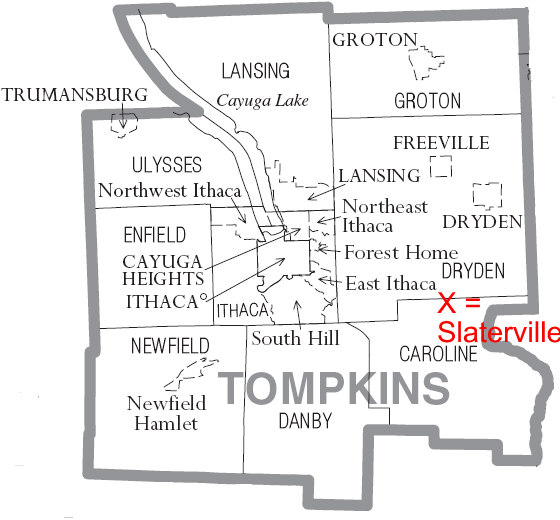
Thomas’ third wife Mehitable Hand was born 21 Oct 1652 in Boston, Suffolk, Mass. Her parents were Mark Hand and Mary [__?__]. She first married 20 Oct 1668 in Braintree, Norfolk, Mass to John Savil b. 22 Apr 1642 in Braintree, Norfolk, Mass; d. 19 Nov 1687 in Braintree, Suffolk, Mass.Mehitable died 2 Dec 1724 in Mendon, Worcester, Mass.
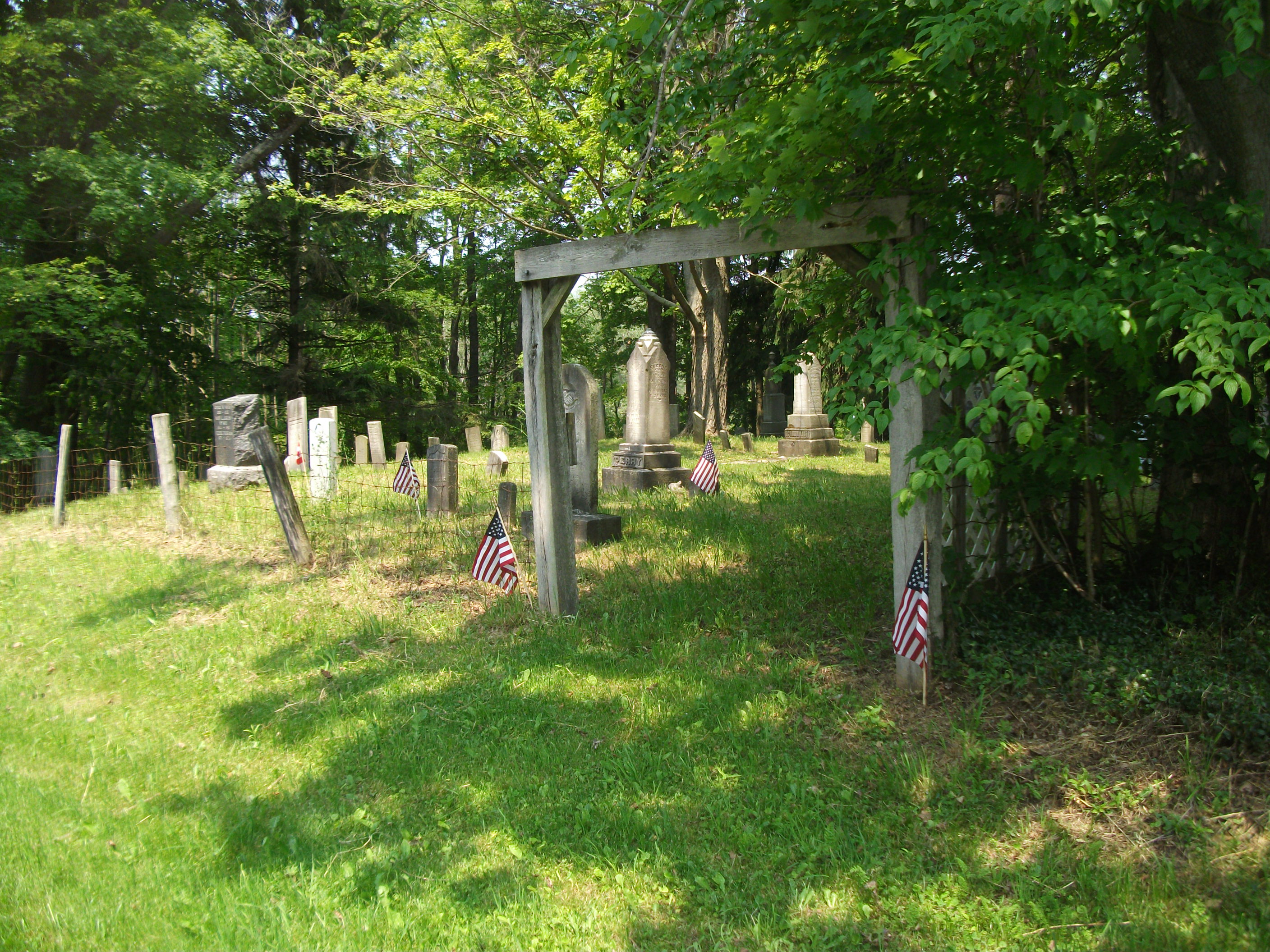
10. Jane (Mary Jane) Metcalf

Jane’s husband Philip Walker was born 1625 in Weymouth, Dorset, England. His parents were xx. Philip died 21 Aug 1679 in Rehoboth, Bristol, Mass.

Some genealogies say Jane married Samuel Walker and died in 1667 in Dedham.

The Philip Walker house located at 432 Massasoit Avenue is the second oldest house in the state and the oldest documented house in East Providence, the Philip Walker House. It is listed on the National Register of Historic Places.

Philip Walker House

The first house was built by one of the most influential men in the early settlement of Rehoboth on the outskirts of the Ring of the Green in 1643. Like most of the other houses of the Green, it was burned in the King Philip War (1676). Some of the charred timbers are still in the walls of the present kitchen, where they were used when it was rebuilt on its original foundation in 1679 by Philip Walker’s widow. The new house was a typical three bay house of the period with a center chimney. (The door, and the two windows to the North each comprising a bay.) Sometime in the middle of the eighteenth century the two South windows were added, and other extensive alterations were done, including some handsome raised paneling. The floor plan is unusual in that the front entry leads directly into the “keeping room” rather than into a vestibule, which was more common for that period.

Philip Walker Housse Interior

The Walker House stayed a part of the original family until 1986 when the house was bequeathed to “Preserve Rhode Island” by descendants of the Walker family and most of the furnishings were auctioned off. The East Providence Historical Society was fortunate enough to acquire some of the historic furnishings which today are displayed in the Philip Walker Room in the Hunt House Museum.

11. Rebecca Metcalf

Rebecca’s husband John Mackintosh was born Norwich St Edmund, Norfolk, England or 5 Apr 1635 in Dedham, Norfolk, Mass. John died 22 Aug 1691 in Dedham, Norfolk, Mass.

Sources:

http://trees.ancestry.com/owt/person.aspx?pid=31299410&st=1

http://wc.rootsweb.ancestry.com/cgi-bin/igm.cgi?op=GET&db=merrygo&id=I9347

http://www.mayflowerfamilies.com/ships/john__dorothy.htm

http://mjgen.com/metcalf/Michael17.html

http://www.langeonline.com/Metcalf/michael.html

http://www.jacksonsweb.org/metcalf.htm

http://www.fairbankshouse.org/homestead_courier/courier_fall_03.pdf

Posted in 13th Generation, College Graduate, Dissenter, Historical Church, Historical Monument, Immigrant - England, Line - Shaw, Public Office, Storied | Tagged , , , , , | 13 Comments