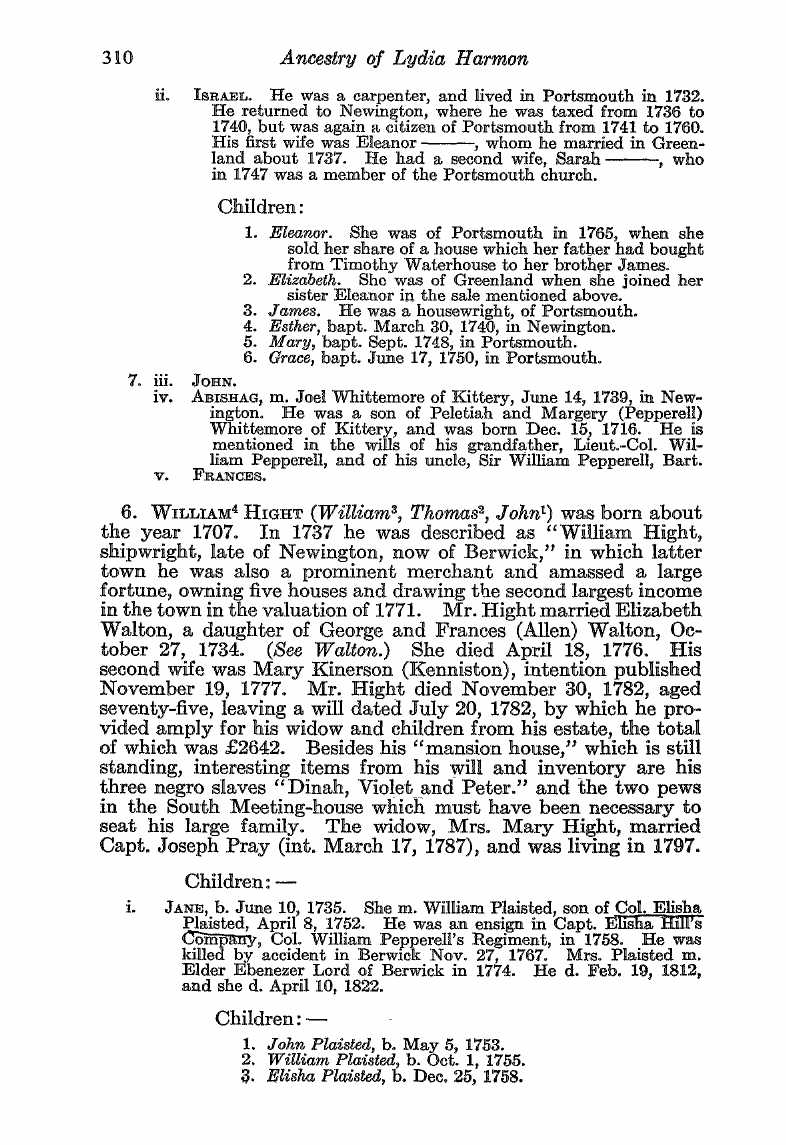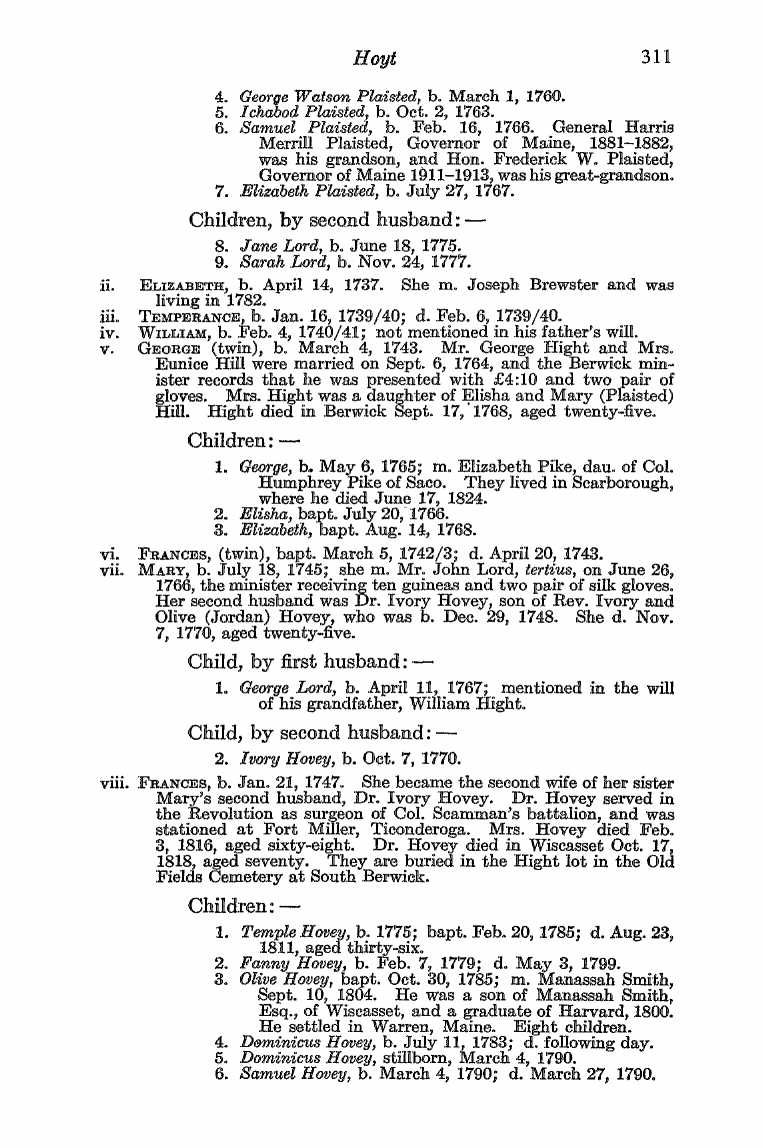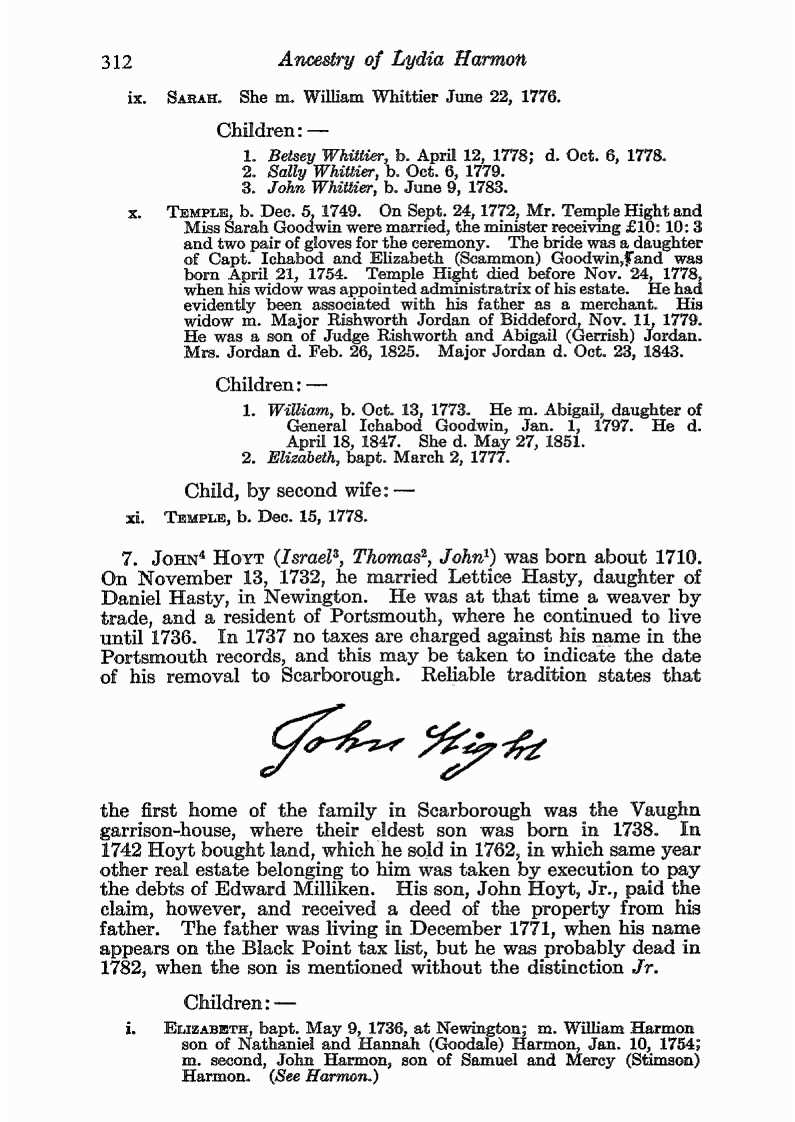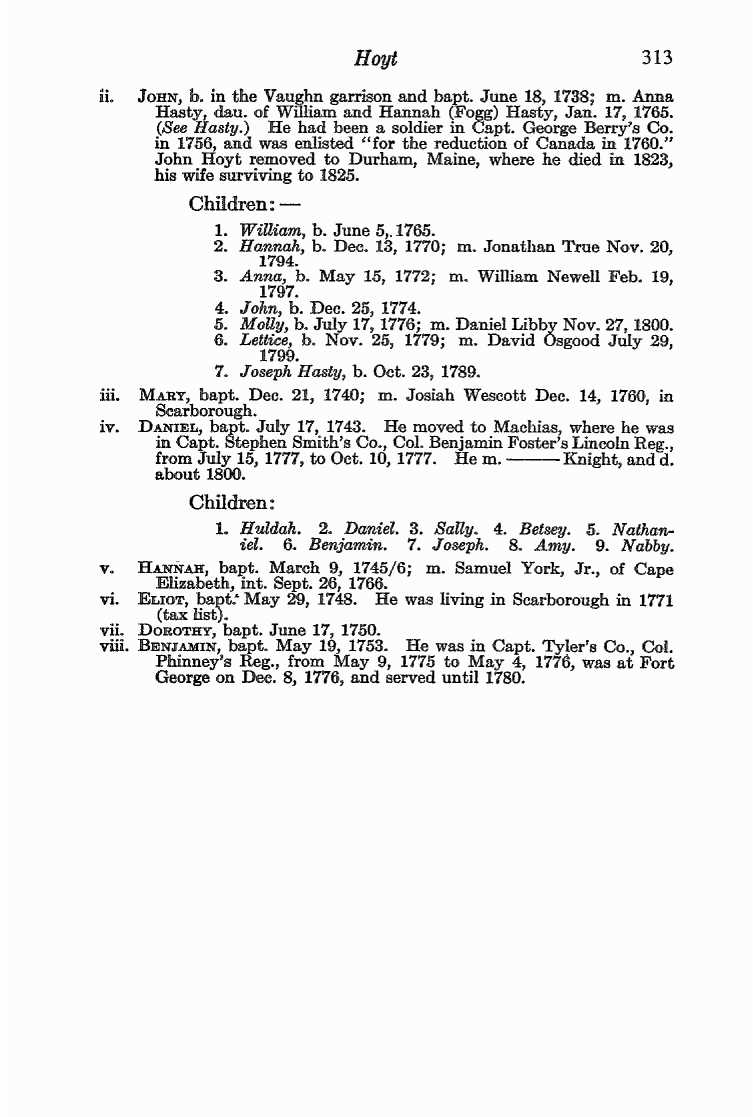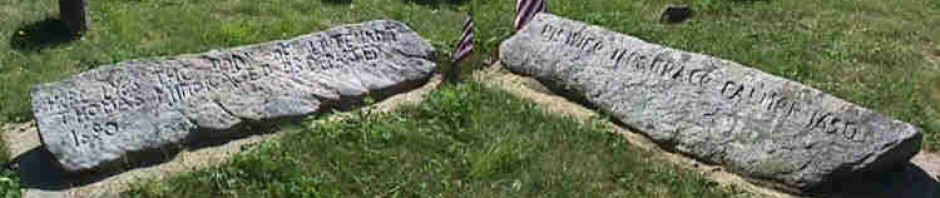
Simon Hoyt

I originally thought Simon HOYT (1590 – 1657) was Alex’s 12th Great Grandfather; one of 8,192 in this generation of the Shaw line.  However, I now believe that John’s one-time 2nd great – granddaughter Dorothy COLBY was not the daughter of Anthony COLBY IIbut instead was the daughter of his cousin Isaac COLBY and Martha PARRATT
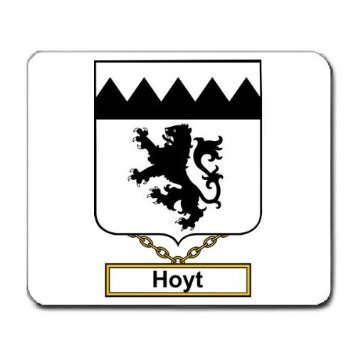
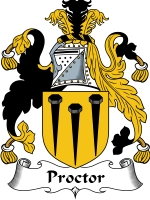
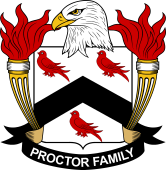
Immigrant Ancestor - Hoyt Coat of Arms

Immigrant Ancestor – Hoyt Coat of Arms

Simon Hoyt was born 20 Jan 1590 in West Hatch, Somerset, England. His parents were Michael HOYT and Ruth SMITH. He married Jane STOODLEY 4 Nov 1617 in Marshwood, Dorset, England.   He did NOT marry Deborah Stowers 2 Dec 1612 in Upway Dorchester, Dorset, England.   Simon came to America aboard the Lions Whelp. [the same vessel as carried our anchor immigrant Thomas MINER]. He landed at Salem in 1628 or 1629, and shortly afterward went to Charlestown, Mass. to live, as one of the first settlers.    Simon died 1 Sep 1657 in Stamford, Fairfield, Connecticut.

Deborah Stowers was born 1 May 1593 in Dorchester, Dorset, England. Her parents were Walter Stowers and [__?__].  Some say Deborah died 1634 in Dorchester, Suffolk, Mass.

Susannah Smith died in Feb 1674.  Some say that parents were Richard Smith and Rebecca Buswell.  But more thorough research  shows that her parents are unknown.  From  Findagrave for Sussanah “There is no primary evidence discovered as yet identifying the family name of Susanna, wife of (1) Simon Hoyt and (2) Robert Bates. In particular, she is not known to have been “Susanna Smith”.

A record made by the Reverend John Lothrop of Scituate, Massachusetts in 1637 listed the houses there by heads of household from 1634 to 1637. There is an entry for “The Smiths. Goodman Haits brother.” No other entry in this list was prefaced by the word “the” such as “the Hoyts”. All of the households in Scituate except for three, including “The Smiths”, were numbered, perhaps indicating that those three were not land owners.

It is improbable that the entry in question referred to a “Mr. Smith”. This otherwise unknown head of household, apparently the brother-in-law of Simon Hoyt (“Hait”) of Scituate, was instead likely the town “smith” or blacksmith. After Simon died, she married Robert Bates. (b. 1620 – d. 11 Jun 1675 in Stamford, Fairfield, CT)”

Children of  Simon and Jane:

Information for children of Simon of New England with West Hatch Simon and (Jane Stoodley’s ) children’s information inserted, with baptisms. from West Hatch parish church records

Name Born Married Departed
1. John HOYT 12 Mar 1614
West Hatch, Somerset, England
Frances TEWKSBURY
.
Mary Jewell 1644
Amesbury, Essex Co, Mass
.
Mary Elizabeth Brundage Purdy
14 Oct 1658 Fairfield, Fairfield, CT.
1 Sep 1684 Rye, Westchester, New York.
2. Walter Hoyt 9 Jun 1616
bapt. 29 Nov 1618)
West Hatch, England
Elizabeth St. John
1643
Windsor, Fairfield, CT
.
Rhoda Tinker
1652 in Windsor, Hartford, CT
1698
Windsor, Fairfield, CT
3. Thomas Hoyt 20 Sep 1618 West Hatch, England Elizabeth Russell
20 Aug 1633 Stamford, CT
9 Sep 1656
Stamford, CT
4. Deborah Hoyt 9 Aug 1620 West Hatch, England 3 Jun 1628
Upway, Dorset, England
5. Nicholas Hoyt 10 Nov 1622
bapt. 7 May 1620
West Hatch, England
Mrs. Susannah Joyse
12 Jun 1646 Windsor, CT
7 Jul 1655
Windsor, CT
6. Alexander Hoyt bapt. 28 Dec 1623
West Hatch, England
9 May 1627
Upway, Dorset, England
7. Ruth Hoyt Jan 1625 West Hatch, England 9 May 1627
Upway, Dorset, England
8. Agnes Hoyt bapt. 18 Oct 1626
West Hatch Dorchester, Dorset, England

.
Children of Simon and Susannah Smith

Name Born Married Departed
9. Mary Hoyt 20 Sep 1635 Luke Hill
6 May 1651
Windsor, Hartford, CT
.
Thomas Lyon
10. Moses Hoyt 1637
Stamford, Fairfield, CT
Elizabeth Budd
c. 1659
Fairfield, CT
11. Sarah Hoyt 1639
Stamford, CT
Samuel Finch
c. 1663
12. Joshua Hoyt 1641
Windsor, Hartford, CT
Mary Bell
c. 1664
13. Samuel Hoyt 1643
Fairfield, Fairfield, CT
Hannah Holly
16 Nov 1670
Stamford, CT
.
Rebecca [__?__]
1710-1713
.
Hannah Slawson
20 Sep 1714
Stamford, CT
14. Benjamin Hoyt 2 Feb 1644
Windsor, CT
Hannah Weed
5 Jan 1670
Windsor, CT
15. Miriam Hoyt 1645 Stamford, Fairfield, CT Samuel Firman (Forman)
25 Mar 1662
Fairfield, CT
.
Richard Harcourt
1683
Fairfield, CT
16. Hannah Hoyt 1649 Windsor, Hartford, CT

Most of his children inherited his propensity for changing residence, and in twenty years after his death no one of the name of Hoit (Hoyt) remained in any of the seven towns, except Stamford . The family seems to have been adventurous, rather than restless, and in most cases well-to-do.

Simon Hoyt was an early settler in seven different colonies in New England , in most of them one of the first. He was hardly located in one, before he gave up his farm and home and began to clear another part of the wilderness for a new home.  There were few pioneers who moved more often than he.

1st Charlestown was founded in 1628, and settled 4 Jul  1629, by Thomas Graves, Increase Nowell, Simon HOYT, Rev. Francis Bright, Ralph, Richard and William Sprague and about 100 others who preceded the Great Migration.

2nd He removed to Dorchester in 1632 or earlier. He was appointed “to see to the fences for the east field” at Dorchester , 8 Oct 1633, and in January following had a grant of marsh land.

3rd Early in 1635 he left Dorchester and located at Scituate, where he and his wife joined the church, 19 Apr 1635.   Here he built his house between September, 1634, and October, 1636.

4th He next moved to Windsor, Connecticut , about 1639 , where he had a grant of land, 28 Feb 1640.   His house was on the east side of the river near what is still known as Hoyt’s Meadow.

5th and 6th He sold his land at Windsor in 1648 and moved to Fairfield, Connecticut , before 1649.   6 Mar 1649, he had a grant of land in Farfield.
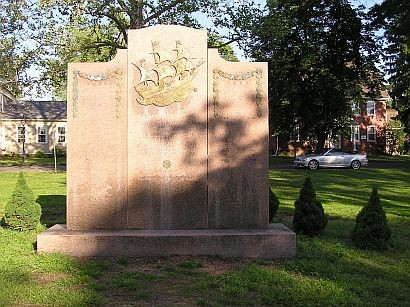
Windsor CT Founders Memorial – Simon Hoyt is listed on the middle panel

7th Between 1649 and 1657 he had settled at Stamford, Connecticut , and here he died, according to Stamford records,  1 Sep 1657.

Five of the children of Simon Hoyt gave receipts for their portions of Simon’s estate. On 1 Feb 1674 Moses Hoyt, Joshua Hoyt, Samuel Hoyt, Benjamin Hoyt, Thomas Lyon, Samuel Finch and Samuel Firman came to an agreement “concerning the distribution of the estate of our deceased mother Susanna Bates”

Source: “The Great Migration Begins, Sketches, PRESERVED PURITAN”

The following is copied from: “The Benedict Family History News”; Formerly “The Benedict Family News”; Volume IV Number 3 Winter 1997, pp. 29 – 42; Editor: Mary Alice Benedict Grindol:  See link for footnotes

“The Spring 1995 and Spring 1996 Hoyt Issue has received new research on Simon Hoyt by Robin Bush, an English researcher hired by Roy Olson, its editor.

Mr. Bush found Hoyt baptismals in West Hatch near Taunton, Somerset, England. Walter Hoyt was baptized 29 November 1618 and Nicholas Hoyt was baptized 7 May 1620. This indicates that Simon the immigrant was from Somerset, England. Also found was a marriage 4 November 1617 for Simon Hoyt to Jane Stoodlie at Marshwood, Dorset, England. This fits for the age of Walter Hoyt, Simon’s first child. It was previously believed that Simon Hoyt, from Upwey, Dorset, England had married Deborah Stowers.

Mr. Bush checked the Upwey Parish Registers and found the registers survive only from 1654. He found the Bishop’s transcripts for the Parish only from 1731. The Dorchester Parish (Holy Trinity) survives from 1559, All Saints & St. Peter’s Parish records are from 1653. None of these have bishop’s transcripts before 1730/31. None of these parish records have any trace of Simon Hoyt or baptisms of his children. Mr. Olson hopes to continue further research in England.”

This is an analysis of information published in Hoyts’ Issue and material from primary sources in the United States in one place so that researchers interested in Simon Hoyt and his family don’t have to rely on gathering bits and pieces, some of it erroneous, on the internet. Many thanks to Sharon Dulcich for her efforts in getting the information in the Spring 1995 and Spring 1996 Hoyts’ Issue.

Simon Hoyt has many descendants and therefore many people interested in his background. The major source used for this family’s history has been David W. Hoyt’s A Genealogical History of the Hoyt, Haight, and Hight Families.   This, like many other 19th and early 20th century genealogical books, has been regarded as an authority. Unfortunately most of these books were not researched and/or written by people with the professional-level genealogy skills needed to properly gather and evaluate evidence. Many amateur genealogists have understandably taken such published information as fact and have republished it and have spread it across the internet. The body of knowledge of the Simon Hoyt family has suffered greatly from this.

In England

In 1995 a researcher in Engand named Robin Bush looked in records there for evidence of Simon. One would have expected to find corroboration of the claim in David Hoyt’s book that Simon married Deborah Stowers and had four children baptized in Upway (correct spelling “Upwey”), Dorsetshire. Instead it became apparent that marriage and baptism records have not been available for Upwey before 1654 since at least 1831. In any case they are not known to exist today and cannot be consulted.

Robin Bush found records at West Hatch, Somersetshire, of the baptisms of four children of Simon Hoyt. Walter and Nicholas are among them and the immigrant Simon is known to have had sons with these names. The supposed Upwey family also had sons Walter and Nicholas.

Further investigation into the background of Massachusetts Bay immigrant Nicholas Stowers, who supposedly lived near Upwey, might prove interesting. Bush says that the baptism dates for Walter and Nicholas correspond to the ages of Walter and Nicholas of MA/CT. I am not very familiar with information on Nicholas, but Walter’s approximate age is given in a probate document and corresponds to a birth year of 1618.

Regarding a man named Micheal Hoyt (variously spelled) Bush cites a Manor Court record dated 18 July 1599 that concerns his occupation of rented land, apparently in West Hatch, with his children Richard, Simon, Anne, Thomasine (Thamazine, etc.) and Elizabeth. This document refers to “the customary rent and services and works of scouring and ditching the lords’ rivers” connected with their tenancy. This apparently is the earliest such record, leading Bush to think this was when the family arrived in West Hatch. Michael later occupied other properties. He also served town offices much the same as those in New England. He was a juryman and often foreman of the homage jury in the Hallimote Court and Manor Court between 1606 and 1620. Homage juries were composed of tenants who reported to the courts on misdemeanors and deaths among the tenants. Hallimote Court records say he was a reeve (keeper of animals on behalf of the town) in 1612/13. In 1613 he had five stray sheep in his custody. He was elected a tythingman (tax collector) at West Hatch in 1614, but he was still a reeve, given that in the same year he was holding a horse that was to be given to the lords as fee for someone’s tenancy.

Simon “made default of the suit of court” in 1616, 1618 and twice in 1620. Michael stated in Hallimote Court records that in 1617 he surrendered his 1599 rental lands to the use of Simon. Manor Court records say that Michael and Simon were on the homage jury in 1619. Simon acknowledged to his fellow jurymen and the court that he cut down 6 oak trees on his land and sold them outside the manor, which was against custom. On his father’s pledge Simon paid a 20 shilling fine at the next meeting of the court. Simon was a juryman again in 1620.

Quoting Bush from the same source as the last, “A view was taken between the land of Alexander Hearne called Barleidge and the land of Simon Hoyte called ‘Long Medow.’ It was found that the boundary was ‘an old ditch.’ Simon Hoyte was ordered to make a sufficient fence between his meadow called ‘Long Medow’ and the land of Walter Curry before 28 Oct. on pain of 5 s.”

Michael’s wife at the time of his death was probably Agnes. The West Hatch Manor Court refers to her as a widow who was holding a tenement of the same description as Michael’s and that she was to pay a fee to the lords in 1628 with Richard Hoyt (name of the oldest son of Michael) as one of her pledges. Bush suggests that Michael’s son John was born to a second wife about 1608. A Hundred Court record  of 1620 says that the court ordered Richard Hoyt to bring his brother John to be sworn to the assize. Bush says that this was usually done when a boy reached the age of 12, but how diligent was this in practice?

Was John born shortly after Michael’s 1599 record of tenancy (in which John doesn’t appear)? Michael’s daughter Thomasine (variously spelled) was baptized in 1581/82. She had at least one older sibling (Anne is listed before her in court records. I am assuming that lists of children are by age as they are in probate records). If Anne was the first born, say in 1580, and John was the last in say 1600, that would span the average 20 year period of a married woman’s fertility. Perhaps Richard was ordered to bring John to court because he had not previously. However John would have been 20 and Richard probably would not have been involved. If John’s was a late and last birth of Michael’s wife he could have still been a minor in 1620 if he was born say 1603 or 4. In any case no marriage records have been found for Michael and his wife is not named in the one baptism record. It is notable that daughters named Agnes were born to Simon and Richard Hoyt in West Hatch.

Bush further cites account rolls for West Hatch that mention Simon Hoyt’s payments to the manor for new grants of tenements through 1631, and by 1632/33 his name was crossed out and replaced by another. He acquired two tenements in 1627/28, not long before Simon the immigrant most likely left England. If the latter is the same as West Hatch Simon he would have signed away the properties when he was in either Charlestown or Dorchester, MA. He had become a freeman in 1631, so he may have felt sufficiently established in the Massachusetts Colony to undo his real estate ties in England. Bush notes that the above court entries are all under the subheading of the manor tything of West Hatch. This makes a fairly certain connecton between the Simons – the son of Michael of West Hatch, the father of Walter and Nicholas of West Hatch and the immigrant to Massachusetts Bay.

Bush found a marriage record at Marshwood, Dorset, of Simon Hoyt and Jane “Stoodlie” in 1617. Marshwood is not so far from West Hatch (about 10 miles) to negate the possibility that this couple had Walter and Nicholas, but Simon was otherwise in West Hatch. Marshwood records reveal only that there were Stoodley (variously spelled) baptisms in the early 17th century, indicating that Jane’s family probably was established in the area when she was married.

John Stoodley was among the free tenants of Marshwood manor in 1626-41 and Walter “Stoodleigh” was a member of the homage jury for Whitchurch Hundred, near Marshwood, in 1626. Given the appearance of Walter among Simon’s children, perhaps Walter Stoodleigh was Jane’s father or brother.

The name Michael is found among the children named in the will of Thomas Hoyt of Seavington St. Mary, Somersetshire (1576) and his wife Isabel (1587). That town is about 9 miles from West Hatch and about 2 1/2 miles from South Petherton, where Michael’s daughter was baptized. Thomas’ will mentions several of his grandchildren, but none by Michael. Isabel’s will does mention that Michael had children. This accords with the idea that Michael’s oldest daughter (and first child?) may have been Anne, born say 1580. There is no further evidence cited to make a strong connection between Thomas of Seavington St. Mary and Michael of South Petherton/West Hatch.

Robin Bush doesn’t give a list of all the sources he consulted, although it is apparent that he looked at a number of unnamed records that did not reveal Hoyt information. Are there more records that can be researched in that region of England?  For instance, does Michael appear in any other South Petherton area records? All of Michael’s children before 1599 may have been born there. Are there Manor Court records for the area similar to those covering the town of West Hatch?

In New England

Simon Hoyt appears on a list, with Nicholas Stowers and the Sprague family, of those who were the first to live in Charlestown in the Massachusetts Bay Colony.(15) The date given for the list, which appears in the town records, is 1628, but scholars are confident that the document was made somewhat later. Although a few families were living in the vicinity of what became Charlestown by 1628, the so-called Higginson Fleet of ships which sailed in the Spring and Summer of 1629, sent by the Massachusetts Bay Colony, carried some if not most of the people named on that list. A statement has been proliferated that the Hoyts came over on the ship Abigail in 1628. There is no extant list of passengers on that trip of Abigail nor any other evidence to specifically place the Hoyts on it. John Endicott, Governor of Massachusetts Bay, approved the removal of the Spragues and “three or four others” to explore and settle what became Charlestown. Given the probable proximity of their origins in England, Simon may not only have sailed with them but joined them as one of those others to Charlestown. On the above-mentioned list, Simon is listed one name away from the Spragues.

Simon appears on the first list of “Names of such as tooke the Oath of Freemen” of the colony, dated 18 May 1631,  and is presumed to have been in Dorchester. The first record found of Simon in that town is from 1633, leaving in question where he was in 1631. On 3 April 1633 Dorchester town records state that a double-rail fence with mortices in the posts was ordered to be put up by the cow-owners of the town, 20 feet of length per cow. Simon’s fencing was to be 40 feet.  On 8 October of the same year he was appointed a fenceviewer for the “east field.”   On 6 January of the following year he was included in a division of “marsh and swamp.”  He was elected a fenceviewer for the “north field” on 24 May 1634.   On 2 June he was in another division of marsh and swamp, a parcel of about 8 acres on the north side of the “neck.” On 10 February 1634/35 he was ordered to keep one bull with the heifers on the “neck of land,” for which he was to be paid.  This action surely was taken to make calves and that Simon was to oversee the process. The last mention of Simon as a Dorchester resident was on 17 February 16(34/?)35, when it was ordered that “the lott of medow that was Symon Hoytes next to boston side Joyning to John Witchfield shall be devided betwixt Mr. Rodger Williams and Gyles Gibbes.”

Simon and his family moved to Scituate, Massachusetts, by the time he and his wife joined the church there on 17 April 1635. Given the last two references to Simon in the Dorchester town records, the move can be placed between 10 February (perhaps 17 February) and 17 April 1635. Rev. Lothrop of Scituate listed the house lots and their occupants from the time he arrived in November? of 1634 to December? of 1636, the months being unclear.   Simon had a house lot there between those dates. Dean’s history of Scituate indicates that “Goodman Hoyt” was granted land in the “Greenfield” section of Scituate between April? and June? of 1635, although it is not clearly stated and there are no sources cited in this work.   However, given all this evidence it is reasonable to say that the Hoyts moved to Scituate in late Winter of 1635 and had established themselves sufficiently enough to join the church and build or buy a house there within the next 4 months.

The time of Simon’s removal to Windsor, Connecticut, is not known, but speculated to have been between 1636 and 1639, when groups of settlers from Massachusetts Bay went there. He apparently does not appear in Scituate town and church records after 1635-1636. In 1677 Matthew Grant recorded that there were 2 children born to Simon in Windsor (how accurate was this over 30 years after the fact?), suggesting that he moved there with the 1639 party headed by Rev. Huit.

He was surely there by 7 May 1640, when the Particular Court of Connecticut ordered that “Simon Hoyette and his family are to be freed fro watch & ward until there be further Order taken by the Courte.”(27) The reason for this may be found in where Simon was granted land in Windsor. He appears in an inventory of land ownership dated 28 February 1640/41.  He had been granted “fourscore” acres of upland and meadow and the same amount on the north side of the “rivulet,” with 30 acres of the latter designated for his son Walter. A copy of this record describes the property as being on the east side of the “rivulet” (presumably what is now the Farmington River), but given the meandering of the river, it might have been open to interpretation. This area became known as Hoyt’s Meadow and was enough distant from the main settlement known as the Palisado to excuse Simon and Walter from guard duty. A record of January 1659/60 says he had a “long seat” in the Windsor church, for which he paid 6 shillings.  He had died in Stamford, Connecticut, by this time. The record refers to pews associated with houses and their original owners, although the latter are not named, and Simon was likely among them.

Simon supposedly sold his homestead lot in “Hoyt’s Meadow” in 1646.(30) He owned a house lot and 2 1/2 acres bordering the common in Fairfield, Connecticut; 5 acres at “Sascoe [Sasco, Sasqua] Neck” on “Hoit’s Island” and land purchased from John Green.(31) This land is listed in an inventory for the town of Fairfield dated 6 March 16(48/?)49. He may have bought some of it near the time he sold his Windsor land in 1646 and made his move in that year. Sasco Neck is now part of the town of Southport.

Simon’s death is recorded in the Stamford town records as having occurred on the 1st day of the 7th month 1657, translating to 1 September 1657.  An inventory of his estate was taken on 9 October 1657. This Fairfield Co. probate item is given here as it was transcribed for David Hoyt’s book. It is described as worn and partially torn. The end of it is clearly missing.

[O]cto 9: 57 An Inventory of ye Estate of Simon Hoyte taken by ff[illegible] Rich Law Entry 24: 3 mo 1659

Impmus 8 Cowes 15-
It [Item] 2 oxen 15-
It 4:2: years 10-
It 1:3:yearold com tine 03-
It 1 yearl-g 01-
It one Horse 10-0
It one mare & Colt 20-0
It one yearl-g colt with time 12- O – 0
It p Land 30-0-0
It one Homelote & a mill 30- 0 – 0
It in puter 01-
It in brass, 1: pan 1 : pot, 1 : mortter, 2 : cittills 02-
It in Iron, 1: pot, 2 lesser pots 03
It more Iron, axes, howes Chaines 05
It armes, 1 gun, 3 swords 2: barrells 02-08
It in woollen Cloathes 05-06
It one hat & lether Jacket 00-07
It one paire sheets & 43 yards new cloth 07-09
It too Chests, 2 wheeles 01-02
It in Coops ware 01-03
It in Turners ware 00-03
It three Earthen pots 00-
It one sadle & roapes & tow comes 01-
It in beding 06-
It [sivory?] &c marking Iron 00-
It one colter & old Iron 00-
It in Indian Corn, 10: bushells 01-
It 25 bushells wheat 05-
It 80: ib: of tobaca 01-
It cart & plow & wheeles 02-
It two yoaks 00-
It in Debts, Due 05-
It in Hey six load 05-
It in pease 40 bushells 07-
It 14 swine 20-
It 2 hides 00-

[total] 233-

It in Debts ow-g 01
It oweing 25 bushells wheat 05-
It owing 00-

Several receipts are said to have been in Simon’s probate file for the distribution of his estate. They refer to Joshua Hoyt receiving portions from his brothers Moses (2 April 1666), Samuel (April 1665) and Benjamin. Samuel Finch, on behalf of his wife, received their portion in April 1665 and Samuel Firman gave his portion to his mother-in-law on 25 March 1662. Other receipts are probably missing, but the signature of “Joen” Hoyt can be found as witness to Moses’ signature. The John Hoyt who witnessed Moses’ signature could have been Simon’s son or grandson.

It is clear that Simon’s children were by two wives. There is no primary evidence found identifying the family name of his second wife Susannah. There is a record made by Rev. John Lothrop of Scituate apparently in 1637 that lists the houses by heads of household of that town since his arrival in 1634. There is an entry for “The Smiths. Goodman Haits brother.” No other entry is prefaced by “the,” such as “the Hoyts.” All the households except 3, including “The Smiths,” are numbered, which may indicate those three were not land owners. It is unlikely that this was a Mr. Smith. He was very likely the town blacksmith. Susannah and her heirs (among whom are not the English-born children of Simon) are named in an agreement regarding the distribution of her estate.

At the time of her death she was Susannah Bates, probably the wife of Robert Bates of Stamford. Her heirs were her children Moses, Joshua, Samuel and Benjamin Hoyt, and the husbands of her daughters Mary, Sarah and Miriam (namely Thomas Lyon, Samuel Finch and Samuel “ffirman”). The inventory was presented at court on 24 May 1659.

child of Simon? perhaps out of wedlock:(35)

Christopher, bur. 22 August 1618

Children

1. John HOYT (See his page)

2. Walter Hoyt

Walter’s first Elizabeth St. John was born 1620 in Upway, Dorset, England. Her parents were Matthias St John and Sarah Hoyt. Elizabeth died 21 Nov 1694 in Fairfield, Fairfield, CT.

Walter’s second wife Rhoda Tinker Hobbs Taylor was born 16 Jun 1611 in New Windsor, Berkshire, England. Her parents were Robert Tinker and Mary Merwin. She first married 1 Nov 1631 in New Windsor, Berkshire, England to Thomas Hobbs (b. 1610 in New Windsor, Berkshire, England – d. 1633 in New Windsor, Berkshire, England). Next she married 1639 in Windsor, Hartford, CT to John Taylor (b. 1605 in Haverhill, Suffolk, England – d. 24 Nov 1645 in Windsor, Berkshire, Mass.) Finally, she married Walter Hoyt 1652 in Windsor, Hartford, CT. Rhoda died 1694 in Norwalk, Fairfield, CT.

3. Thomas Hoyt

Thomas’ wife Elizabeth Russell was born 1622 in Upway Dorchester, Dorset, England. Her parents were John Russell and [__?__]. Elizabeth died 6 Jun 1662 in Stamford, Fairfield, CT.

5. Nicholas Hoyt

Nicholas’ wife Mrs. Susannah Joyse was born 1626 in Windsor, Hartford, CT. Susannah died 4 Jul 1655 in Windsor, Hartford, CT.

Nicholas owned property in Windsor, CT. “The following entries are found on the first book of Windsor Land Records, p. 114, the next page after the one assigned to Walter Hoyt [his brother]:-‘Nicholas Hoyt, hath granted from the Plantation Sevety seven acres of Land more or Less, bredth four scoore and seven rod, Length on Hundred and forty, Bounded west by Walter Hoyt, South by the Rivulett, North and East by the Common. also Twenty acres more or less, Bounded South by Walter Hoyt, North by Richard Sammoy and west by the Rivulet. Also Ten acres more or Less, beredth Twenty rod, Length fourscore, Bounded East by walter Hoyt, North by Richard willer, South by william Thrall and west by the Common. Nicholas Hoyt, hath Purchased of Bagget Egelston his Dewelling house and home Lott, Eleven acres more or Less, as it Lyes Bounded North by John Tayler, South by Elias Parkman, and East by a way that Divides it and aaron Cook. Also in Hoyts Meadow Eleven acres more or Less, as it is bounded west by Mathias Sention, East by Elias Parkman, and North by Simon Hoyt.’ ”

Nicholas was involved in a court case about Slander in 1650 in Hartford, CT “On the ‘Records of the Particular Court’ at Hartford we find the following entries:
7th March, 1649-50 “Action of slaunder to the damage of 20th,” Tho: Stanton plaintiff, Nicho:Hoite defendant. “The defendt pleading want of witnesses to cleare his case wch hee could produce if he had a longer time, the Courte graunts him liberty to the next particular Courte except they see cause to call it sooner.”
28 March, 1650. “The Jury findes for the defendt coste of courte.” Execution delivered 3d June 1650, for 6s. costs.
15 May, 1650. Another action for slander against Nicholas Hoite, by Bray Rosseter, “about the truth of his oath taken in the last courte.” Verdict “for the defendt: costs of the court,” “wch was Hoites wife 2 dayes 2ss.”

9. Mary Hoyt

Mary’s first husband Luke Hill was born in 1613 in England. Luke died in Simsbury, Hartford, CT.

Mary’s second husband Thomas Lyon was born in 1621.  His first wife was Martha Johanna Winthrop, the only child of Elizabeth Fones Winthrop and her husband Henry Winthrop, second son of Governor John Winthrop of theMassachusetts Bay Colony. Martha had been born May 9, 1630 at Groton Manor, the Winthrop home in England, and as an infant sailed to the Massachusetts Bay Colony with her mother, arriving November 2, 1631.  In the early 1640’s, the young Martha moved with her parents to their newly-acquired property encompassing the area known now as Old Greenwich in Fairfield County, CT. Martha married Thomas Lyon circa 1647, and they had one child, Mary Lyon, born August 1649. Having battled frail health for some years, Martha (Winthrop) Lyon died in her early twenties, likely in 1653. Thomas Lyon remarried in 1654 to Mary Hoyt, daughter of Simon Hoyt of Stamford, CT.   Thomas Lyon died in Greenwich in 1690, and was buried in the old Lyon family burying ground at Byram Neck. His will left extensive land holdings in the area to his children, including his son Thomas Lyon.

Mary’s second husband Nehemiah Sargent
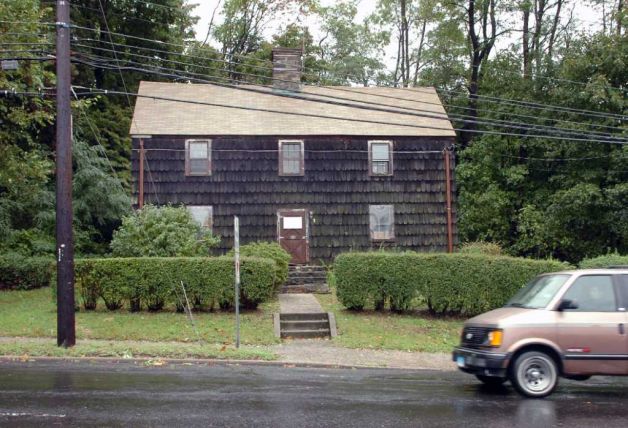
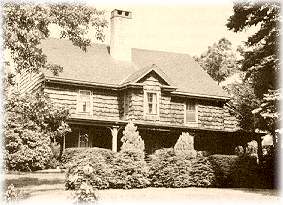
Thomas Lyon House Greenwich, CT

The Thomas Lyon House, at 1 Byram Road, was built ca. 1690-95 and is considered to be the oldest unaltered structure in Greenwich, Connecticut The restoration of the house, a Colonial saltbox, is the primary project of the Greenwich Preservation Trust, a not-for-profit organization that grew out of the Thomas Lyon House Committee formed by the Byram Neighborhood Association. Its heritage dates back to the family of Thomas Lyon (1621-1690), one of the earliest settlers of Fairfield County, and particularly his son, Thomas Lyon (1673-1739) who, with his wife Abigail and their children, were the initial occupants. The house stayed in the family line of Abigail and Thomas Lyon in to the 20th Century.

10. Moses Hoyt

Moses’ wife Elizabeth Budd was born 1641 in Fairfield, Fairfield, CT. Her parents were John Budd and Katherine Browne Elizabeth died 1712 in Eastchester, Westchester, New York

11. Sarah Hoyt

Sarah’s husband Samuel Finch was born 1636 in Stamford, Fairfield, CT. His parents were John Finch and Martha [__?__]. Samuel died 23 Apr 1698 in Stamford, Fairfield, CT.

12. Joshua Hoyt

Joshua’s wife Mary Bell was born May 1646 in Stamford, Fairfield, CT. Her parents were Francis Bell and Rebecca [__?__]. Mary died 29 Dec 1724 in Stamford, Fairfield, CT.

In his 24 May 1689 will Francis Bell named daughter Mary Hoyt.

13. Samuel Hoyt

Samuel’s first wife Hannah Holly was born 18 Apr 1651 in Stamford, Fairfield, CT. Her parents were John Holly and Mary Waitstill. Hannah died 7 Dec 1710 in Stamford, Fairfield, CT.

Samuel’s second wife Rebecca [__?__] died 8 Dec  1713 in Stamford CT.

Samuel’s third wife Hannah Slawson was born 1645 in Stamford, Fairfield, CT. Her parents were George Slauson and [__?__]. She first married 1660 in Stamford, Fairfield, CT to John Gold (b. 1645 in New Haven, CT – d. 14 Jul 1712 in Stamford, CT) Hannah died 27 Jan 1730 in Stamford, Fairfield, CT.

14. Benjamin Hoyt

Benjamin’s wife Hannah Weed was born 1650 in Stamford, Fairfield, CT. Her parents were Jonas Weed and Mary Hoyt. Hannah died 9 Nov 1711 in Stamford, Fairfield, CT.

15. Miriam Hoyt

Miriam’s first husband Samuel Firman (Forman) was born 1635 in Oyster Bay, Nassau, New York. Samuel died Apr 1682 in Oyster Bay, Long Island, New York.

Miriam’s second husband Richard Harcourt was born 1626 in Hempstead, Nassau, New York. Richard died May 1696 in Oyster Bay, Livingston, New York.

.

Sources:

http://www.simonhoyt.com/simonhoyt1.html

http://trees.ancestry.com/owt/person.aspx?pid=7818083&st=1

http://dougsinclairsarchives.com/hoyt/shoyt.htm

http://freepages.genealogy.rootsweb.ancestry.com/~coonealogy/217.htm

http://www.greenwichtime.com/local/article/Lyon-family-descendant-tours-historic-home-674508.php

1. Richardson, Douglas, “English Ancestry of the Merwin and Tinker Families of New England, Part Two: John Tinker of Boston and Lancaster, Massachusetts and Windsor and New London, Connecticut”, The New England Historical and Genealogical Register, (Boston: New England Historic and Genealogical Society, Vol. CXLIX, Oct. 1995) , p. 401-432.

2. Richardson, Douglas, “English Ancestry of the Merwin and Tinker Families of New England, Part One: Miles Merwin of Windsor & Milford, Connecticut”, The New England Historical and Genealogical Register, (Boston: New England Historic and Genealogical Society, Vol. CXLIX, Jul. 1995), p. 295-311.

3. Hoyt Issue, Roy F. Olson, Editor, 360 Watson Rd., Paducah, KY 42003

4. Emily Warren Roebbing, The Journal of The Rev. Silas Constant (1903).

Posted in 14th Generation, Historical Monument, Immigrant - England, Line - Shaw, Pioneer, Public Office | Tagged , , , , , | 18 Comments

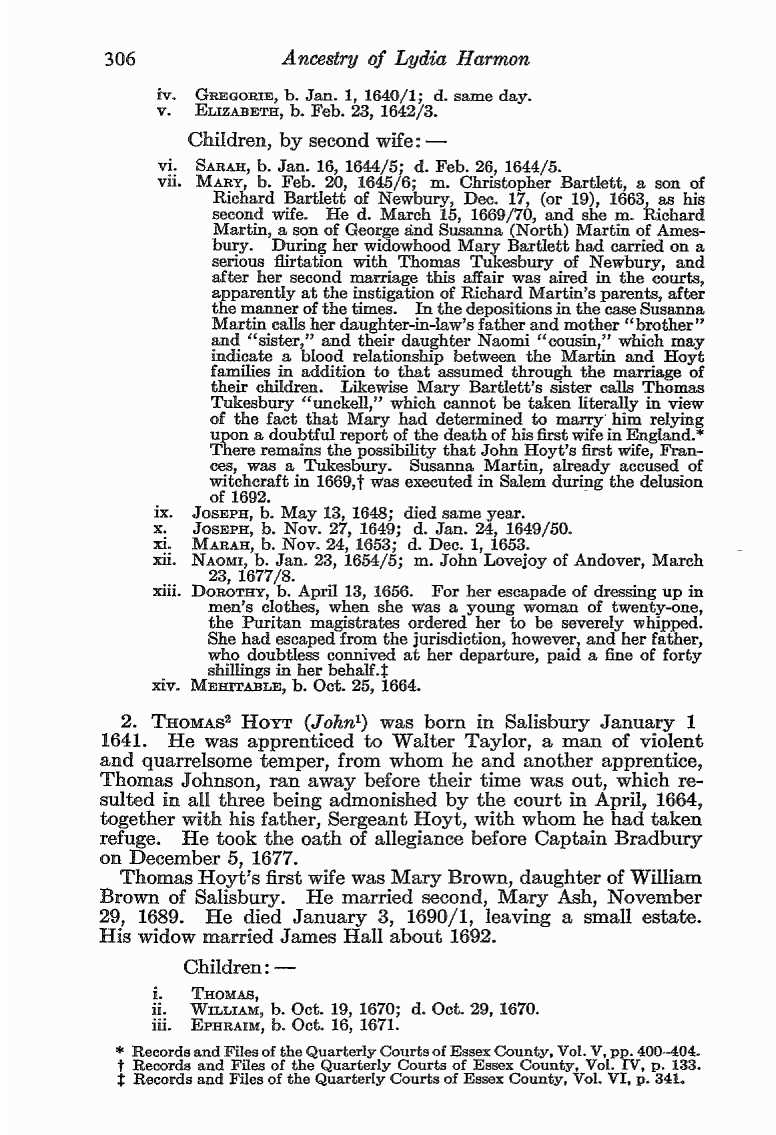
John Hoyt

I originally thought John HOYT (1614 – 1684) was Alex’s  11th Great Grandfather; one of 4,096 in this generation of the Shaw line. However, I now believe that John’s one-time great – granddaughter Dorothy COLBY was not the daughter of Anthony COLBY IIbut instead was the daughter of his cousin Isaac COLBY and Martha PARRATT.

John Hoyt was born in 12 Mar 1614 in West Hatch, Somerset, England.  His parents were Simon HOYT and Jane STOODLEY. He married Frances TEWKSBURY.   After Frances died, he married John married Mary Jewell  in 1644 in Amesbury, Essex Co, Massachusetts.  Finally, he married Mary Elizabeth Brundage Purdy 14 Oct 1658 in Fairfield, Fairfield, CT.   John died 1 Sep 1684 in Rye, Westchester, New York.

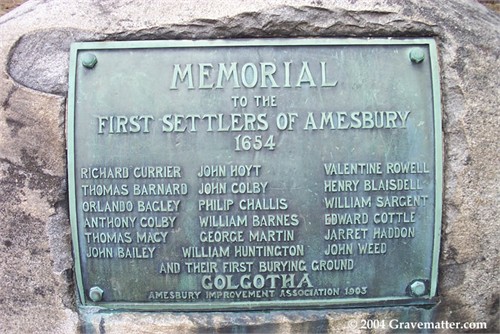
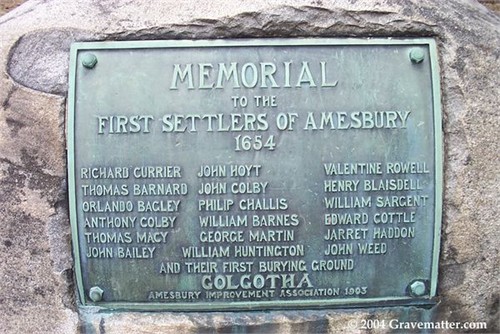
Amesbury Monument – The Golgotha Burying Ground is also found on Rt. 110 (Macy St.), in Amesbury Massachusetts about a half a mile east. It is the first burial ground in Amesbury but there are no markers.

Over half the first settlers names on this memorial are our ancestors.  They are: Richard Currier, Orlando BAGLEY Sr., John Bailey, William BARNES, Thomas Barnard, Henry Blaisdell, Philip Challis, Anthony COLBY,  John COLBY, Edward Cottle, Jarret Haddon, John HOYT, William Huntington, Thomas Macy, George MARTIN, Valentine Rowell, William SARGENT and John Weed.

Frances Tuxbury was born in 1617 in England. Frances died 23 Feb 1643 in Salisbury, Essex, Mass.

Mary Jewell was born on 10 Dec 1628 in Salisbury, Essex Co, Massachusetts. She died on 15 Sep 1684 in Amesbury, Essex Co, Massachusetts. She was buried in Amesbury, Essex Co, Massachusetts.

Mary Elizabeth Brundage was born 10 Dec 1628 in Ipswich, Suffolk, England. Mary Elizabeth died 15 Sep 1684 in Rye, Westchester, New York.   Mary first married Francis Purdy.   We think that the widow of Francis Purdy had married John Hoyt because her daughter-in-law, Elizabeth (Brown) Purdy, in 1678 asked that “my father John Hoit and my brother Thomas Browne might stand overseers, or my brother Hacaliah Browne,” but Francis Purdy died in 1658

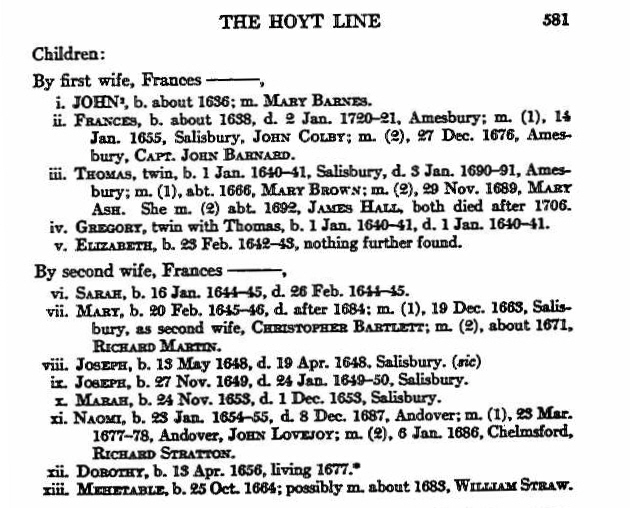
Children of  John and Frances:

Name Born Married Departed
1. Frances HOYT 1636
Salisbury, Essex, Mass.
John COLBY
14 Jan 1656 Salisbury, Essex, Mass.
2 Jan 1720
2. John Hoyt 1638
Salisbury
Mary Barnes (daughter of William BARNES)
23 Jun 1659 in Salisbury
Killed by Indians on the Haverhill Road to Andover
13 Aug 1696
3. Gregorie Hoyt 1 Jan 1641 Salisbury 1 Jan 1641
Salisbury
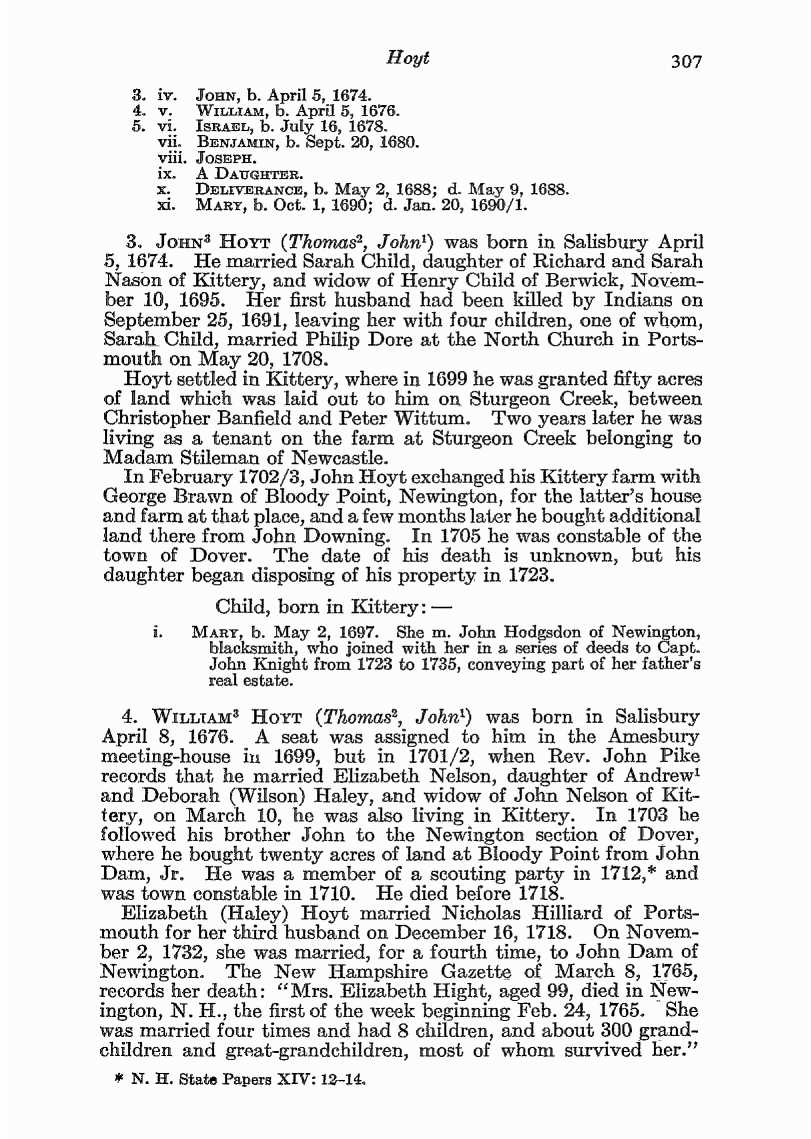
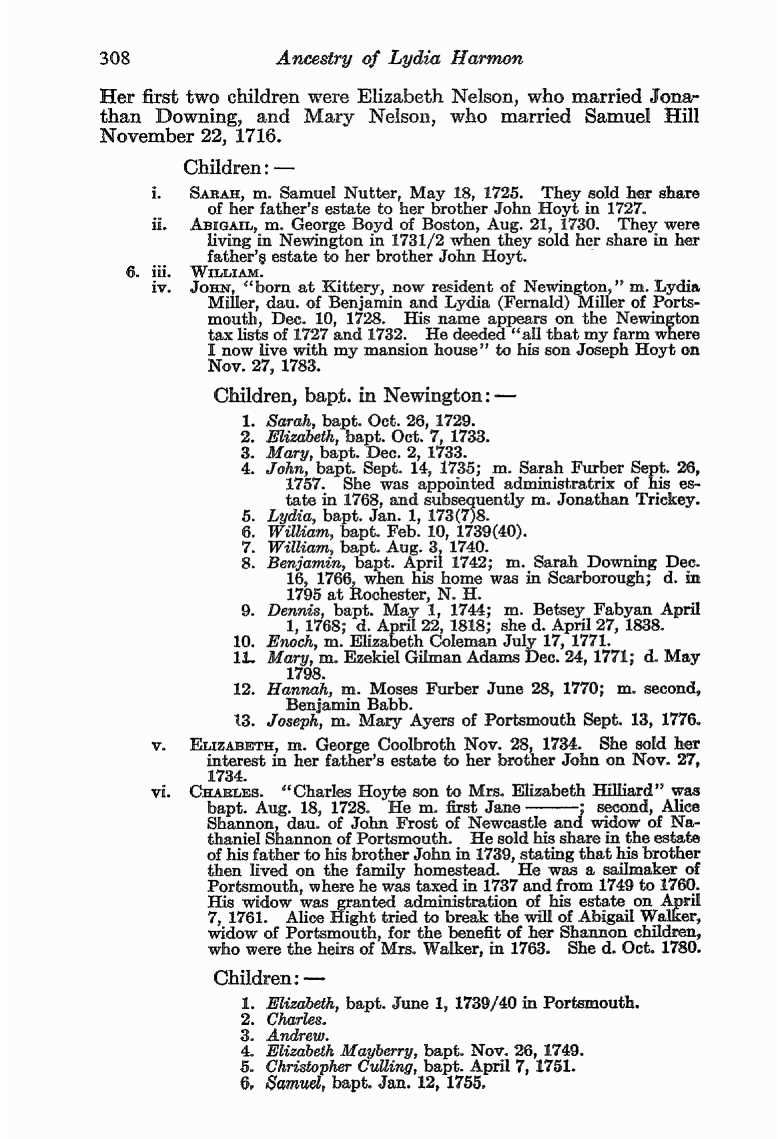
4. Thomas Hoyt 1 Jan 1641 Salisbury Mary Brown
17 Dec 1667 in Salisbury
3 Jan 1690
5. Elizabeth Hoyt
23 Feb 1642 Salisbury 1642
Salisbury

.
Children of John and Mary Jewell:

Name Born Married Departed
6. Sarah Hoyt 16 Jan 1645
Salisbury, Mass
26 Feb 1645
7. Mary Hoyt 20 Feb 1646
Salisbury, Mass
Christopher Bartlett
19 Dec 1663
Newbury, Mass.
.
Richard Martin (Son of George MARTIN)
1669
Salisbury
1728
Amesbury, Mass
8. Joseph Hoyt 13 May 1648
Salisbury, Mass
13 May 1648
Salisbury, Mass
9. Marah Hoyt 24 Nov 1653
Salisbury, Mass
2 Dec 1653
Salisbury, Mass
10. Naomi Hoyt 23 Jan 1655
Newbury, Mass
John Lovejoy
23 Mar 1676/77
Andover, Mass
.
Richard Stratton
6 Jan 1686
Chelmsford, Middlesex, Mass.
11. Dorothy Hoyt 13 Apr 1656 in Salisbury
12. Mehitable Hoyt 25 Oct 1659 in Salisbury

Title: Old Families of Salisbury and Amesbury Massachusetts vol 1
Author: David W. Hoyt

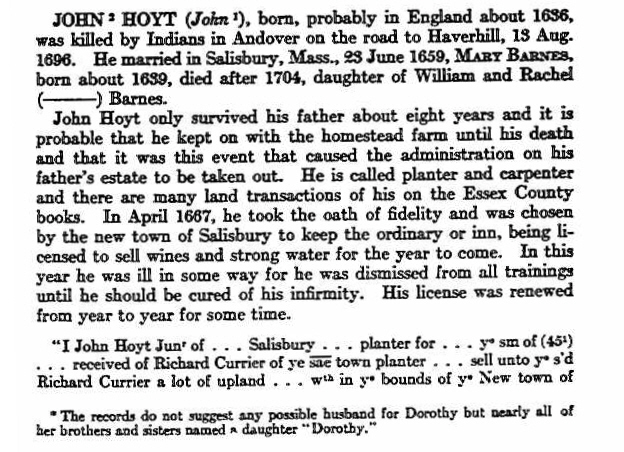
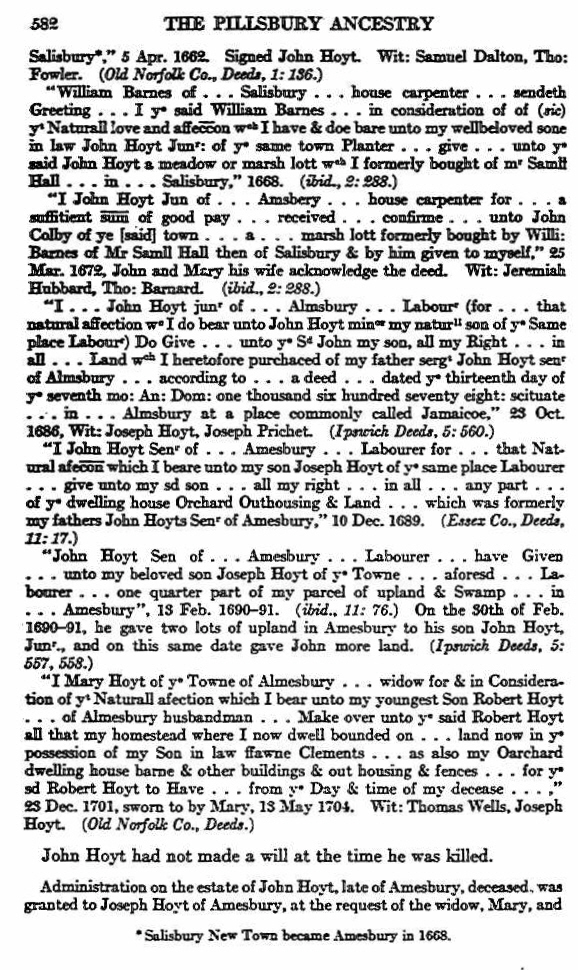
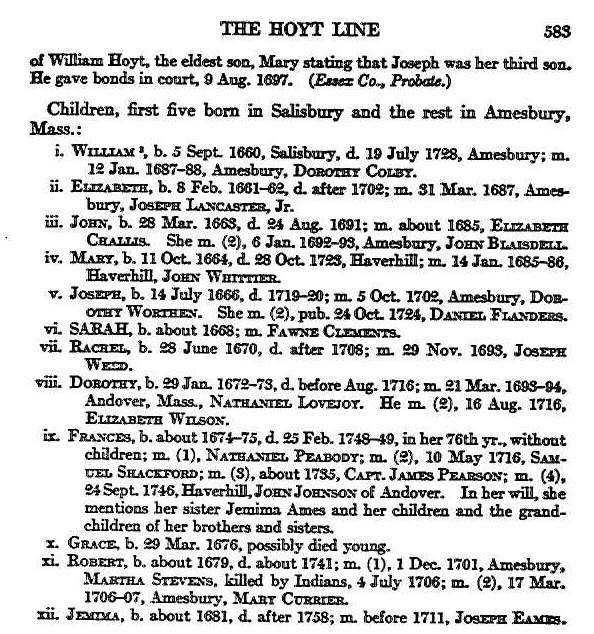
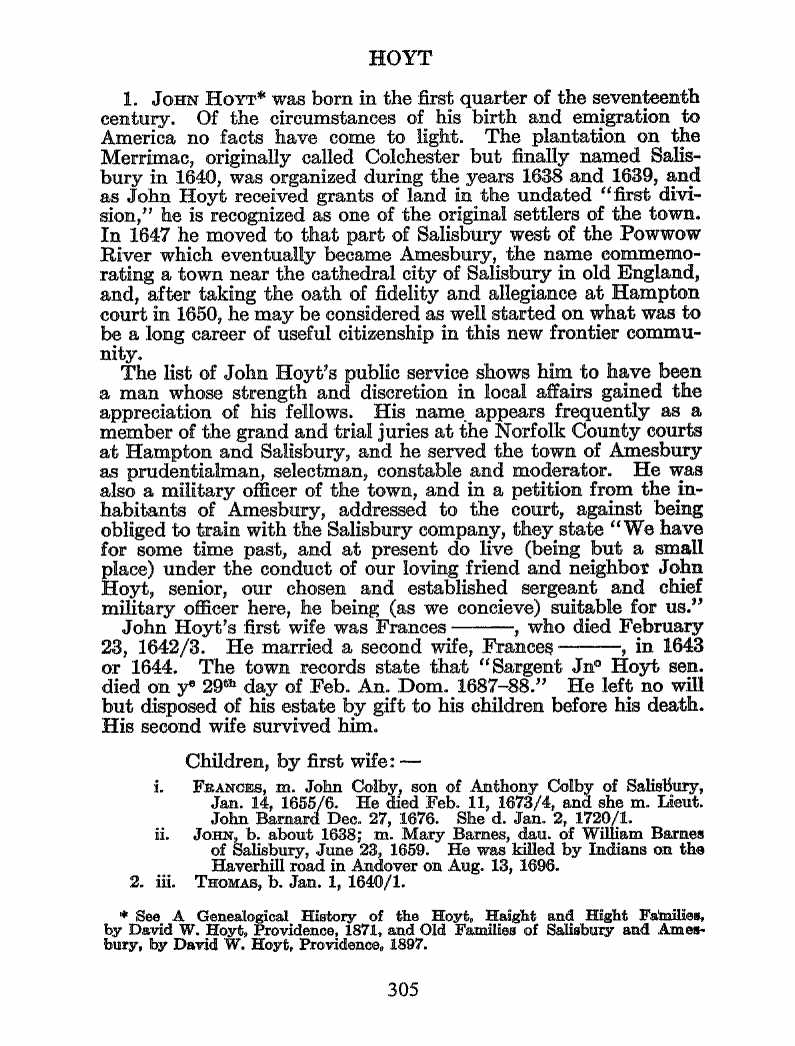
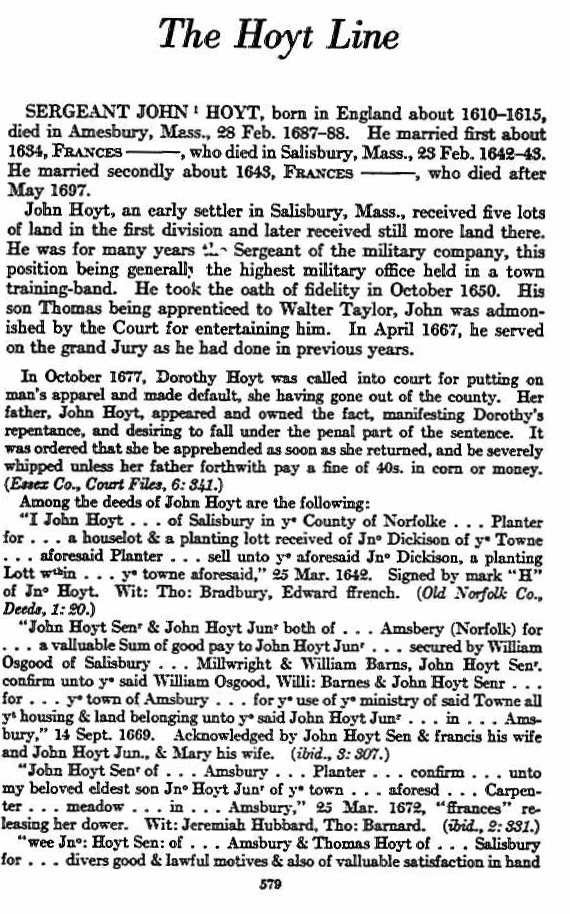
The earliest information concerning (1) John1 Hoyt, which has yet been obtained, is that he was one of the original settlers of Salisbury, Mass. His age at that time can not be accurately determined, but, from the fact that he had at least two children born previous to 1639, it seems probable that he was born about 1610-15. He was chosen selectman, March,1681-2, and moderator of town-meeting, April, 1687 (the same year hedied), hence he could not have been very aged and infirm at that time. Whether he came directly from England, or had previously lived in other towns in America, is uncertain. His name does not appear among the passengers on any of the early emigrant ships of which we have seen any record, and is not found on any of the lists of freemen contained in the Massachusetts Records. He may have come into the country when a minor.

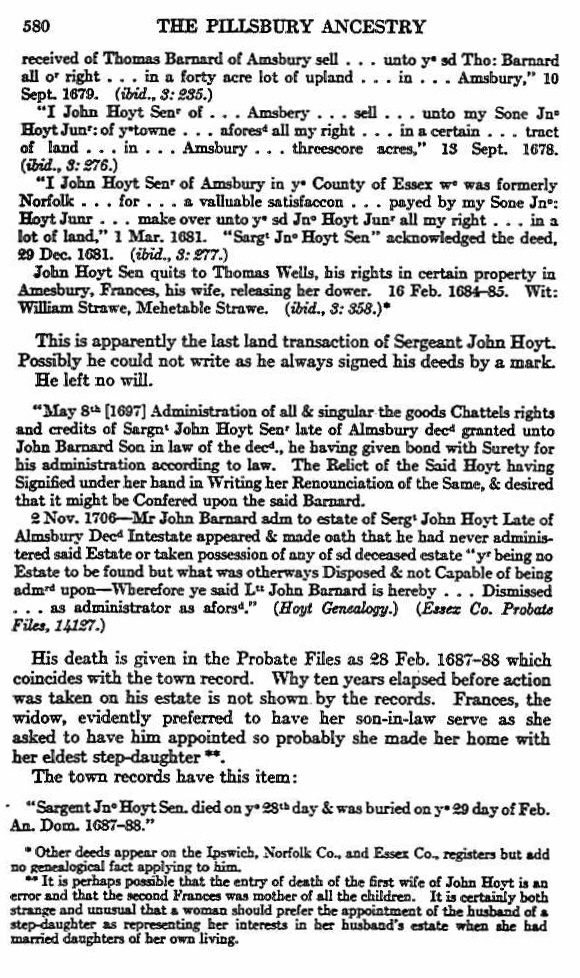
He had two wives, both named Frances. He probably married first wife about 1635, though we have found no record of it. She died Feb. 23, 1642/43, and he married his second wife in 1643 or ’44. His second wife survived him, and was living in 1697. The town reords of Amesbury state that “Sargent Jno Hoyt sen. died on ye 2 day & was buried on ye 29 day of Feb. An. Dom. 1687-88.” The county records at Salem state that he died on the 29th of February, the town records are probably correct. His eldest son, John, had the homestead, paying his step-mother a certain sum annually; but grandson Joseph received the deed of it, on the same condition, 1689. There are quite a number of deeds on record from (1) John Hoyt to his sons, John and Thomas, especially the former, eldest son.
(*) Old Norfolk County Records. Norfolk included Amesbury, Exeter,Hampton
Haverhill, Salisbury,–towns north of the Merrimack.

Children

1. Frances HOYT (See John COLBY‘s page)

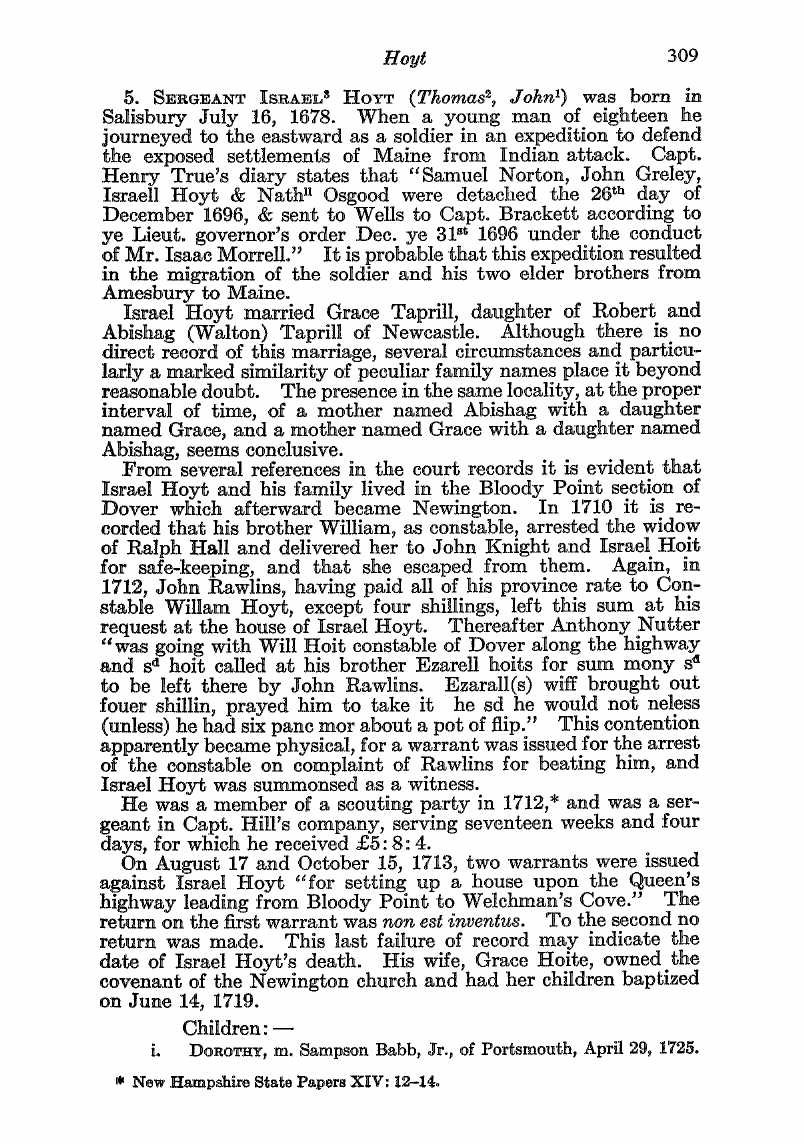
2. John Hoyt

John’s wife Mary Barnes was born 25 Jan 1643 Salisbury, Mass. Her parents were William BARNES and Rachel LORD.  Mary died 13 Aug 1696 in Amesbury, Mass.

John was killed by Indians on the Haverhill Road to Andover 13 Aug 1696.

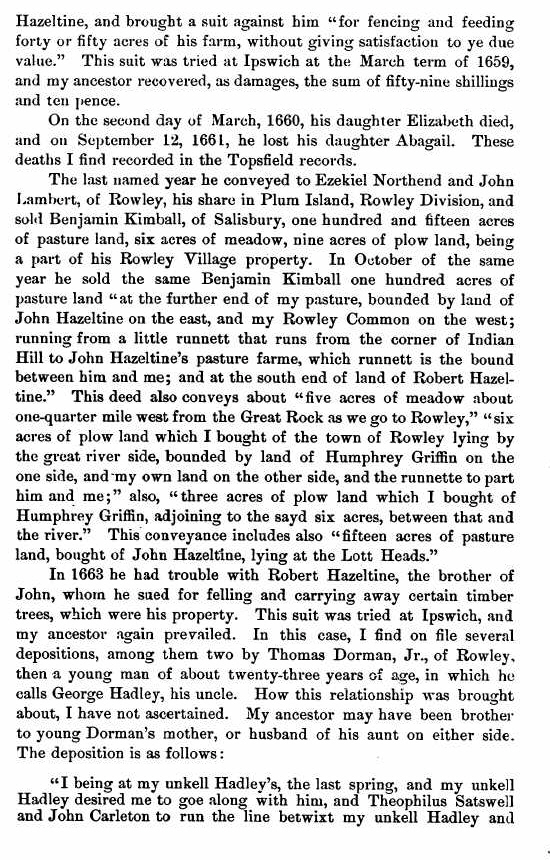
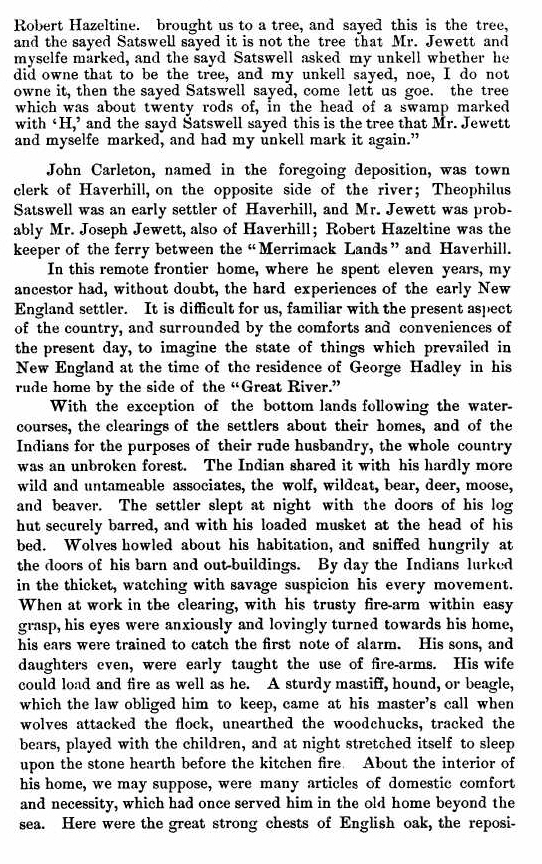
John Hoyt Jr 1 - Source: Ancestry of Charles Stinson Pillsbury and John Sargent Pillsbury (1938)

John Hoyt Jr 2

John Hoyt Jr 3

4. Thomas Hoyt

Thomas’ wife Mary Brown 17 Jun 1647 in Salisbury, Essex, Mass. Her parents were William Browne and Elizabeth Murford. Mary died 17 May 1702 in Salisbury, Essex, Mass.

7. Mary Hoyt

Mary’s first husband Christopher Bartlett was in Newbury, MA by 1635. John Savage, in his Genealogical Dictionary of New England Settlers, calls him the brother of Richard Bartlett of Newbury, Massachusetts, but documented evidence supporting this contention has not been discovered to date. He married first, 16 Apr 1645, Mary [__?__]. She died 24 Dec 1661. Christopher married second , 19 Dec 1663, Mary Hoyt. He died 15 Mar 1670.

Richard Bartlett came to Newbury, Massachusetts in 1634 from Wiltshire, West Sussex, England. He brought a “Breeches Bible” with him, the first in America. Richard was a shoemaker by trade. He had been born about 1575 in England and died 25 May 1647 in Newbury, Massachusetts. His was perhaps the most prolific of all the Bartlett families in America. His estate was proved and recorded in Ipswich deed book, Vol. 1, leaf 25.

Mary’s second husband Richard Martin was born 29 Jun 1647 in Salisbury, Mass. His parents were George MARTIN and Susannah NORTH. Richard died 11 Mar 1729 in Amesbury, Mass.

10. Naomi Hoyt

Naomi’s husband John Lovejoy was born 9 Feb 1655 in Andover, Essex, Mass. His parents were John Lovejoy and Mary Osgood. John died 14 Jul 1680 in Andover, Essex, Mass.

Naomi’s second husband Richard Stratton was born 27 Dec 1664 in Concord, Middlesex, Mass. His parents were Samuel Stratton and Mary Frye. Richard died 1724 in Chelmsford, Middlesex, Mass.

Sources:

From Lydia Harmon, 1924 by Walter Goodwin Davis

John Hoyt 1 - Source: Ancestry of Charles Stinson Pillsbury and John Sargent Pillsbury (1938)

John Hoyt 2

John Hoyt 3

http://trees.ancestry.com/owt/person.aspx?pid=16012868&st=1

Ancestry of Charles Stinson Pillsbury and John Sargent Pillsbury (1938) By Holman, Mary Lovering, 1868-1947; Pillsbury, Helen Pendleton Winston, 1878-1957

Posted in 13th Generation, Historical Monument, Immigrant - England, Line - Shaw, Public Office, Twins, Violent Death | Tagged , , | 19 Comments

John Colby

I originally thought John COLBY (1633 – 1673) was Alex’s  10th Great Grandfather; one of 2,048 in this generation of the Shaw line.  However, I now believe that John’s one-time granddaughter Dorothy COLBY was not the daughter of Anthony COLBY IIbut instead was the daughter of his cousin Isaac COLBY and Martha PARRATT.

John Colby was born 8 Sep 1633 in Boston, Suffolk, Mass and was baptized at the First Church of Boston.  His parents were Anthony COLBY  I and Susannah [__?__]. He married Frances HOYT 14 Jan 1656 in Salisbury, Essex, Mass. John died 11 Feb 1673 in Amesbury, Essex, Mass.

Amesbury Monument – The Golgotha Burying Ground is also found on Rt. 110 (Macy St.), in Amesbury Massachusetts about a half a mile east. It is the first burial ground in Amesbury but there are no markers.

Over half the first settlers names on this memorial are our ancestors.  They are: Richard Currier, Orlando BAGLEY Sr., John Bailey, William BARNES, Thomas Barnard, Henry Blaisdell, Philip Challis, Anthony COLBY,  John COLBY, Edward Cottle, Jarret Haddon, John HOYT, William Huntington, Thomas Macy, George MARTIN, Valentine Rowell, William SARGENT and John Weed.

Frances Hoyt was born 1636 in Amsbury, Essex, Mass. Her parents were John HOYT and Frances [__?__].     Frances died 2 Jan 1720.

Children of  John and Frances:

Name Born Married Departed
1. Sgt. John Colby 19 Nov 1656 Salisbury, Essex, Mas Sarah Osgood (Eldridge?)
25 Dec 1675 Amesbury
.
Mrs. Ruth Ring
8 Feb 1715 Amesbury
6 Apr 1719
Amesbury, Mass.
2. Sarah Colby
17 Jul 1658 Salisbury Ebenezer Blaisdell
1680 Amesbury
14 Mar 1711
Amesbury
3. Elizabeth Colby 1660 Salisbury, Ephraim Weed
1690
Salisbury
19 Jul 1704
Amesbury
4. Frances Colby 10 Dec 1662 Salisbury, Joseph Pritchard
1682
Salisbury
11 Nov 1731
Amesbury
5. Anthony COLBY II 10 May 1665 Salisbury Elizabeth WEST
1678
.
Sarah Pike
4 Feb 1685 Salisbury
4 Dec 1721 Salisbury
6. Susannah Colby 10 May 1665 in Salisbury, 1674
7. Deacon Thomas Colby 1667 or 1670 Salisbury, Mary Rowell
21 Nov 1688 Amesbury
25 Dec 1738
Amesbury
8. Mary Colby 1669
Amesbury, Mass
Theophillus Griffin (Son of John GRIFFIN)
1688
Haverhill
.
Thomas Challis
3 Sep 1696 Amesbury
9. Hannah Colby 1671
Amesbury
William Osgood
8 Jun 1693 Amesbury
13 Jan 1752
Salisbury, Mass

John Colby was a planter at Amesbury, where he was granted land in 1658, 1659,

1658 –  He was granted thirty acres.

Oct 1663 – John entered a suit against the town of Salisbury, in the Old Norfolk Co. court, at Salisbury, claiming that he was a possessor of the estate of Mr. Samuel Groom in Salisbury, purchased by his father, Anthony Colby, decd.; and that he (John) was entitled to a townsman’s rights on account of Groom. As John had been admitted a townsman 8 or 10 years before, the case was decided in favor of the town.

11 May  1669 – “John Colby of Amsbery, planter, for 20 pounds, conveyed to John Easman of Salisbury, planter, my 30-acre lot of upland in Amsbery, bounded by John Hoyt, jr., Edmond Elliott, highway, and a brook called back river (yt leads to ye pond),  Wife Frances Colby (her X mark) signed. Wit: tho: Bradbury and William Hooke. Ack. by grantor and his wife frances, who released dower, May 11, 1669, before Robert Pike (son-in-law of Joseph MOYCE), commissioner.”

Oct 1671 – John Colby’s name heads a list of seventeen signatures on a petition presented to the Court at Hampton  by “divers of the Inhabitants and soldiers of the towne  & military company of Amsbery” that they may continue “under the Conduct of our loveing friend & neighbour John HOYT, senr, our chosen and established sergeant & chief military officer here.” (Weis, 1970; Hoyt, 1857)

29 Aug  1671 – “John Clough of Salisbury, house carpenter, for a 25-acre lot of upland, today  conveyed to me by Isaac Colby of Haverhill, planter, conveyed to Jn Colby of  Amsbery, planter, a 2-acre division of salt marsh in Salisbury at Mr. Hall’s farm, formerly of Mr. Sam Groome, and I bought it of said Isaac Colby, bounded by  Richard Singletary, (not in possession of said Cllough), Willi: Osgood and Tho:  Hauxworth,

25 Mar 1672 – John Hoyt, jr. of Amsbery, house carpenter, conveyed to John Colby of Amsbery a 4-acre marsh lot in Salisbury bouth by Willi: Barnes of Mr. Samuell Hall then of Salisbury, and by him given to me, bounded by George Martyn, Sam Felloes, Jn Eaton, Jn Ilsley and Tho: Barnard,   Wit: Jeremiah Hubbard and Tho: Barnard. Ack. , before Samuell Dalton, commissioner. His wife, Mary Hoyt, released dower same day.”

8 Apr 1673 – Wit: Tho: Bradbury and William Bradbury, Ack.  in court at Salisbury . John Hoyt, jr., of Amsberie, planter, wife  Mary, for 15 pounds, conveyed to Jn Easman of Salisbury, planter, 30 acres of  upland in Amsbery, bounded by grantee (formerly John Colby), Robert Jones,  a highway and a brook called ye back river yt runs into ye pond, –, 1669. Ack. in court at Salisbur

“Old Norfolk County Records, Vol. VII. 1903, pg. 89. “The Essex Antiquarian.”

“Frances Colby (her + mark) of Amsbury, widow, executrix of her late husband John Colby of Amsbury, deceased, conveyed to Richard Dole of Nubery a 4-acre meadow or marsh lot in Salisbury, bought of Mr. Sam Hall then of Salisbury by William Barnes, who gave it to John Hoyt, jr., who sold it to the deceased, bounded by George Martyn, Sam Felloes, John Eaton, John Ilsly and Tho: Barnaard, april 15, 1674. Wit: Daniel Ela, steven Greenleafe and Nath Clarke. Ack. April 15, 1674, before Nath Saltonstall, commissioner.” Vol XII, 1908, pg. 84

22 Jan 1673/74 – He signed a will on  in Amesbury, Essex County, Massachusetts.
24 Apr 1674 – He will was proved on  in Amesbury, Essex County, Massachusetts.

To my tow sons. To my wife Frances my dwelling house, land, orchard, etc. To my eldest son John Colby (minor), who is to remain with his mother, 1/2 of ye Grooms lot of meadow in ye higledee pigledes, in Salisbury, between ye lots of John Dickison and William Buswell. To my youngest son Thomas Colby (minor) my two lots of land in ye great plain, — one lot bought of Edward Goue, and the other I had of my father Colby, — and 1/2 of said Groom’s lot.

To my eldest daughter Sarah Colby my little pasture lying by ye Pawwaus riverside, which I bought of my brother Sam Colby, and my now dwelling house, orchard, etc. To my daughters Elizabeth and Frances Coleby (under 20 years of age). To my daughters Mary and Hannah Coleby (under 23 years of age and unmarried). My wife, executrix, Overseers, my trusty friends my brother Sam Colby of Haverhill and Thomas Barnard, jr., of amesbury. Part of his father Colby’s estate, after the decease of his mother, Susannah Whitredg. Wit: John Hoyt, sr., (his H mark) and Thomas Wells.

Inventory of estate of Joh Colby of amsbury, deceased, 6: 12 mo: 1674-4, appraised by William Barnes (his > mark) and Tho: Barnard, sr., of amsbury 2: 1 mo: 1673-4. Amount £234, 4 s. (real 170 pounds; personal 64 pounds, 4 s.). House, land, etc., by Pawwaus river, land at Bugmore, in ye great plain, in ye Lyon’s mouth, Groom’s lot, meadow in ye lower highlede piglede, bible, arms, spinning wheels, etc. Sworn to by Frances Colby, executrix.”

Vol. XII 1908, pg. 84-85

“William Sargent, jr., of amsberrie, planter, conveyed to Jn Hoyt, jr., of Amsberrie, house carpenter, 5 acres of land in aplace called the plain falls, bounded by a highway. John Colby, John Coleby and widow Rowell: also, 8 acres of upland in ye ox pasture, bounded by Tho: Barnard, sr., a highway, ye great swamp and Jarrett Haddon, May 18, 1670. Wit: Thomas Rowell and Louis Decamp. Ack. March 10, 1673-4, before Robert Pike, commissioner.

“John colby of Eamesbury, planter, for £10, 10 s., conveyed to Jn Hoyt, jr., of Eamesbery, carpenter, my 8-acre higgledee pigledee lot in ye Lyons mouth, in Eamsbery, bounded by widow rowell, grantee, a highway and great swamp, March 25, 1671-2. Wit: Jermiah Hubbard and tho: Barnard. Ack. March 25, 1672, before Sam Dalton, commissioner.”

Vol XII, 1908, pg. 178-179

Will and Estate of John Colby of Amesbury

“Know all men by these presents That I John Coleby off ye Towne off Amsbury in ye County off Norfolke NE being weake & infirme off body yett through Gods goodness off perfedt memory & undstanding Doe make this my last will & testamt as followeth:
1: Inprimis I commend my Sould into ye hands off X my Redeemr & my body to ye grave. decently to be buried att ye chardge off my Executrix whome I shall here after name & appoynt: In hopes off a joyfull resurrection.
2: I dispose off my worldly Goods as is hereaftr expressed: scil: My will is yt all my Just & due debts be duly payd & discharged by my Exccutrix: unto wch prupose, & not otherwise but only for ye payment off any Just & due debt off mine, & yt only only in such case off absolute necessity as yt ye debt cannot be otherwise dischardged & satisfied I doe Invest my Executrix with full powe to sell any part off ye land or estate in this present Instrument hereaftr by mee bequeathed unto my two sons or eldest daughtr. Alwayes provided yt itt be not done without ye advice off those whome I shall appoynt ovrseers off this my last will & testament: Whose advice also be her is to be had in ye disposall off any othr land or stock by way off sale & alienation in any case whatsoevr
3: Alsoe my will is yt in ye first mentioned case ye Damage done thereby unto any off my sayd children shall be born & sustained by every off them three proportionably to ye value off the severall legacies or protions by mee bequcathed vnto ym in this my last will & testament viz: yt child out off whose land or estate any such sale shall be made shall have his or her damage according to the formentioned ordr & proportion made vp out off ye land portion or estate off ye other twoe by such sale not damnified or less damnified: ye child damnified alsoe bearing his or her own poticulr proportion off ye loss or damage by such sale
4: Also I give & bequeath unto ffraunces Coleby my wife my now dwilling house & ye land orchard outhousen with all fences priviledges and appertiances & town rights thereunto belonging. As also one thired part off all the lands yt I now stand seized & possessed off during her life.
5 Also I give & bequeath unto John Coleby my eldest son to him & to the heirs off his body lawfully begotten for evr one halfe of a lott off meadow in ye towne off Salisbury commonly calle Groomes lott, seituate in a place commonly called the higglety pigleys laying betwixt the lotts off John Dikerson & William Boswell when he shall come to ye age off twenty one years. Att weh time iff my son john shall & will make oyr his right, title & interest unto his lott in ye childrens land commonly soe called in ye town off Amsbury: unto my Executrix then I doe moreovr give & bequeath unto him & his heirs as before sayd all yt land wch I purchased of the Town of Amsbury which iff my gd son shall refuse to doe my will is yt ye sd land purchased off ye Town shall be equally divided amongst all my children to |’be|| inherited by them & ye lawfull begotten heirs off their bodyes for evr.
6: My Will furthr is That my son John shall remaine with & helpe my wife his mother untill yt he come unto ye age off twenty one years
7 I give & bequeath unto Thomas Coleby my youngest sonn all my land in & adjoyning unto ye greatt plaine being two lott ye one purchased off Edwrd Gove more perticulary specified in the deed I had off him ye othr being a lott wch I had off my ffathr Coleby: & ye othr halfe off ye sd Gromes lott, every off which premises he is to be possesed ||of|| for an inheritance unto himselfe & ye heirs off his body lawfully begotten forevr aftr yt he shall come to ye age off twenty one years.
8: My will is yt iff any off my sons depart this life without an heir off their body lawfully begotten yt then the portions bequeathed to them shall be equally divided amongst all ye rest off my children then surviving
9: I give & bequeath unto Sarah Coleby my eldes daughtr my little pasture lying by ye Powow Rivr side, wch I purchased off my Brothr Samll Coleby to be immediately possessed by her for the Inheritance for herselfe & ye lawfull begotten heirs off her body for evr aftr my decease: As alsoe my now dwelling hous, land, orchard, & outhousen, with all priviledges & appertinances Thereunto belonging to herselfe & heirs as before aftr the decease off ffraunces my wife:
10 My will is yt my wives thirds out of every parcell off land bequeathed unto my tow sonns & eldest daughtr shall be excepted to remanine firme unto her propr use & benefitt during her life 11: I give & bequeath unto my daughtrs Elizabeth & ffrauces Coleby five pounds apiece to be payd unto each off ym att the day off mariage or att ye age off twenty years iff they marry not before my son John Coleby:
12 I give & bequeath unto my daughtrs Mary & Hannah Coleby unto each off them five pounds apiece to be payd unto Them by my son Thomas Coleby when he my sayd son shall come unto ye age off twenty three years.
13 Also my will is that iff any off my daughtrs sheall depart This life without an heir off their bodies lawfully begotten then ye portion or legacie bequeathed by mee shall be equally divided amongst the rest off my daughtrs then surviving.
14: I give also & bequeath all the rest off my whole estate both moveable & immoveable, lands, chattells both personalll & reall unto ffraunces my wife: whome I make, constitute & appoynt sole executrix unto this my last will & testament.
15: ffinally I doe make &appoynt my trusty ffriends; My brothr Samuell Coleby oof haverhll & my Loving friend Thomas Barnerd junr off Amsbury ovrseers off this my last will & testamentt, to see & take care yt in every ptielr itt be duly pformed. And in confirmation off ye forwritten premisees to be the ptieulr contents off my last will & testament I the Sayd John Coleby have hereunto subscribed my hand & seale. Dated this twenty second day off January Anno Domini: one thousand six hundred seventy three (Seventy four) 22:1:1673-4:

“It is alsoe declared before sealing to be ye will off this Testatr John Coleby: yt his part off his ffather Colebyes estate belonging unto him from & by virtue off a Court ordr aftr the decease off his mother Susanna Whithredg shall be equally divided amongst all his daughtrs: as Witness his hand the day & year abovesayd & seale affixed.”

John Colby (SEAL)
Witness: John (his H mark) Hoyt, senr., Thomas Wells.
Proved in Salisbury court Apr. 14 1674 by the witnesses.

Inventory of the estate of John Coleby of Amsbury, deceased 6: 12m: 1673-74, taken 2: 1m: 1673-74, by William Barnes and Thomas Barnerd, Sr. of Amesbury:

Eight sheep & a lanbe, £4.; twoe oxen at £5. pr. & four cowes at £3. pr., £22.; one two year old heifer, £1, 10s.; one yearling & a calfe, £1; five young swine, £1; ye dwelling house, outhousen, homestead & land by ye Powwow River, £30; a lott of land at Bugmore, £4; fourty acres of land in ye great plaine, £46; a parcell of land purchased of ye towne, £20; thirty five acre lott in ye woods, £20; lott in ye ox pasture, £5; a division of land in ye Lyons mouth, £5; a lot of meadow called Groomes lott, £20; a lot of meadow in ye lower higglety pigley, £20; beadstead, feather bed, bedding & curtaines, £8; trundle bedstead, flockbed & bedding thereto belonging, £3; twenty pound of wool, £1; his wearing cloathes, £1, 10s.; halfe a barrell of meat, £1, 10s.; and old chest, box & linnen therein & a bible, £2; his Armes, £2, 10s.; cart, sled, plow, yoke & tackling belonging, £3; flax, & a tenent saw, 16s.; axes, hows, sickles & a shave, 12s.; pott, pot hockes, tramell, kettle & two skillets, £2; frying pan & warming pan, 8s.; pewter, smothing Iron & a sieve, 12s.; trenchers, trayes, wooden platters, dishes & spoones, 10s; two spinning wheels, three payr of cards, 8s.; old tubs, barrels & payles &c, £1; a bill, £1, 18s.; total £234, 4s.
Attested Apr. 14, 1674 by Frances Coleby, the executrix.

Thomas Challis with Mary his wife acknowledged Sept. 3, 1696, the receipt from her brother Thomas Colby of Amesbury of the £5. bequeathed to the said Mary by the will of her father, John Colby of Amesbury.
Thomas Challis, Mary (her M mark) Challis (SEAL)
Witness: Thomas Wells, William Challis.

William Osgood of Salisbury with Hannah Coolby his wife, acknowledged Sept. 1 1722, the receipt from her brother Thomas Collby, of the £5 bequeathed to the said Hannah in the will of her father John Coolby, formerly of Amesbury.
hannah (her X mark) Osgood, William Osgood. (SEAL)
Witness: Joseph Osgood, Apphiah Osgood.
Essex County Probate Files, Docket 5,919

Joseph Prichitt and Fraunces his wife acknowledged Dec. 12, 1687, the receipt from John Collby of Amesbury of the £5 bequeathed to the said Fraunces by the will of here father Joh Collby, Sr. of Amesbury.
Joseph Pricte (SEAL)
Witness: Thomas Wells, Thomas (his X mark) Hoyt, Jr.

Elisabeth Collby of Amesbury acknowledged May 18, 1689, the receipt from her brother John Colby, eldest son of John Colby, of the £5 bequeathed to her by the will of her father John Collby of Amesbury.

Elizebth (her X mark) Colby (SEAL)
Witness: John Hoyt, Sr., Mary Hoyt.
Attested Nov. 22, 1723 by the witnesses, John Hoyt and his wife Mary Hoyt before Thomas Noyes and Joseph Woodbridge, Jus. of the Peace.
Essex County Probate Files, Docket 5,921.

Children

1. Sgt. John Colby

John’s first wife Sarah Osgood was born 7 Feb 1653 in Salisbury, Essex, Mass. Her parents were William Osgood and Elizabeth Clear. Sarah died 8 Feb 1715 in Salisbury, Essex, Mass. Alternatively, John’s wife was Sarah Eldridge.

John’s second wife Ruth [__?__] was born 1660 in Amesbury, Essex, Mass. She first married about 1690 to Robert Ring. Robert Ring was born about 1665 in Salisbury, Mass, His parents were Robert RING and Elizabeth JARVIS. Robert died 3 DEC 1705 Amesbury, Mass. Ruth died May 1748 in Amesbury, Essex, Mass.

John Colby Jr. was a soldier in King Philip’s War, in the Falls Fight, under Capt. Turner, May 18 1676.

Sergeant John Colby took the oath of allegiance and fidelity, Dec 1677 and was a soldier in King Philip’s War, at the Falls Fight under Capt William Turner, 18 May 1676, and was sergeant of the Amesbury train band, 1680. Administration on the estate of John Colby was granted to Joseph Colby, the only surviving son, 21 April 1719. Robert Ring, son of the widow Ruth Ring, administered her estate, May 1748.
(Wies)
John rec’d “children’s land” in 1659 and a “township” in 1660. Member of “training band” 1680. He d. 06 Apr 1719 in Amesbury; adm est. gr Joseph Colby, only surviving son, 21 Apr 1719.

It is cetain from deeds that Sarah Osgood, b 1652/3, was in 1700 and 1708 wife of John Colby, and that she was dead in 1716. The only doubt is whether Sarah Eldridge and Sarah Osgood were the same person. The records may be reconciled in three ways: 1. Perhaps Eldridge should read Osgood. 2. Perhaps Sarah Osgood married 1st _____ Eldridge, of whom we have no other record, and m. 2nd John Colby. 3. the two may be distinct persons, as given above, which seems most probable, though we have no trace of the family of Sarah Eldridge. Wm and Anne Eldred, or Eldridge, of Yarmouth had Dau. Sarah, b.t 1850; but she was six years older than John Colby, and we know of no intercourse between Yarmouth and Salisbury. There was a John Eldred of Hampton in 1640, who apparently soon died or moved away.

2. Sarah Colby

Sarah’s husband Ebenezer Blaisdell was born 17 Oct 1657 in Salisbury, Essex, Mass. His parents were Henry Blaisdell and Mary Haddon. Ebenezer died 10 Aug 1710 in Amesbury, Essex, Mass.

3. Elizabeth Colby

Elizabeth’s husband Ephraim Weed was born 24 Feb 1666 in Mass. His parents were John Weed and Deborah Winsley. Ephraim died 22 May 1762 in Merrimac, Essex, Mass.

4. Frances Colby

Frances’ husband Joseph Pritchard was born 1 Mar 1658 in Ipswich, Essex, Mass. His parents were William Pritchard and Hannah [__?__]. Joseph died 10 Apr 1732 in Amesbury, Essex, Mass.

5. Anthony COLBY II (See his page)

7. Deacon Thomas Colby

Thomas’ wife Mary Rowell was born 5 Feb 1672 in Amesbury, Essex, Mass. Her parents were Thomas Rowell and Sarah Barnes. Her maternal grandparents were William BARNES and Rachel LORD. Mary died 3 Apr 1735 in Amesbury, Essex, Mass.

Thomas Colby - Gravestone

8. Mary Colby

Mary’s first husband Theophillus Griffin was born 2 Feb 1665/66 in Haverhill, Mass. His parents were John GRIFFIN and Lydia SHATSWELL. Theophillus died 17 Mar 1688.

Mary’s second husband Thomas Challis was born on 22 Jun 1673 in Amesbury, Essex County, Massachusetts. His parents were Lt. Phillip Challis and Mary Sargent. Thomas died at Amesbury, Essex County, Mass.

Thomas was a planter of Salisbury and Amesbury, and was a “snow shoe” man, 1708.

9. Hannah Colby

Hannah’s husband William Osgood was born 30 Jul 1673 in Salisbury, Essex, Mass. His parents were John Osgood and Mary Stevens. William died 1752 in Salisbury, Essex, Mass.

Sources:

http://trees.ancestry.com/owt/person.aspx?pid=13841756&st=1

John Hoyt of Salisbury, by David W. Hoyt, C. Benjamin Richardson, Boston, pub 1857; (2). “The Colby Family in Early America” by Frederick Lewis Weis, Caledonia, The Colonial Press, pub 1970; (3). Colby Clan ancester sheets, submitted by various members; (4). Ancestral File (TM), data as of 2 January 1996, Family History Library, 35 North West Temple, Salt Lake City, Utah 84150; (5). Early Essex County Vital Records to 1850, Salisbury, Massachusetts. Listed as Colebey; (6). “The Old Families of Salisbury and Amesbury Massachusetts” by David W. Hoyt.
Posted in 12th Generation, Historical Monument, Line - Shaw, Twins | Tagged | 11 Comments

Anthony Colby II

I originally thought Anthony COLBY II (1665 – 1721) was Alex’s  9th Great Grandfather; one of 1,024 in this generation of the Shaw line.  However, I now believe Dorothy COLBY was actually the daughter of Anthony’s cousin Isaac COLBY and Martha PARRATT.

Anthony Colby was born 10 May 1665 in Salisbury, Essex, Mass. He had a twin, Susannah who died in 1674.  His parents were John COLBY and Frances HOYT. He married Elizabeth WEST in 1678 in Massachusetts. After Elizabeth died, he married Sarah Pike 4 Feb 1685 in Salisbury. Anthony died 4 Dec 1721 in Salisbury, Essex, Mass.

Elizabeth West was born in 1660 in Amesbury, Essex, Mass. Her parents were Thomas WEST and Mary [__?__].    Elizabeth died 25 Jun 1738 in Haverhill, Mass.

Sarah Pike was born in 1670 in Salisbury, Essex, Mass.

Children of  Anthony and Elizabeth:

Name Born Married Departed
1. Thomas Colby 1685 in Amesbury, Essex, Mass Mary Harvey
2. Dorothy COLBY 1686
Amesbury
Samuel HADLEY Jr.
23 Jan 1702/03 in Amesbury, Mass.
3. Jacob Colby
1690
Amesbury
4. Timothy Colby 1701
Amesbury
5. Orlando Colby 1705
Amesbury

Anthony was a “snow shoe” man, 1710, under Lieut.-Col Saltonstall.  A large company of soldiers, under the command of Lieutenant-Colonel Saltonstall, were also kept constantly armed and equipped, and exercised in the town; and, that theso soldiers might bo the better prepared for every emergency, the General Court (June 19. 1710,) ordered them to bo supplied with snow shoes. Snow shoes were also supplied to the whole of the North Regiment of Essex. Daniel BRADLEY’s son Joseph, Joseph HUTCHINS’ son John, Josiah HEATH’s sons Josiah Jr and John, and Stephen DOW’s son Samuel were also members.

In 1711, he petitioned for a school in the east part of Haverhill.

He was a member in full communion of the First Church of Haverhill, April 1723, and served on a Haverhill town committee, 1725, but in 1730, he petitioned to be allowed to pay his ministerial rate in Amesbury.

In 1743, with Ebenezer Colby, Richard Colby, Isaac Colby, and others, he petitioned the town to relocate the Haverhill meeting house nearer the eastern part of that town.

Sources:

http://trees.ancestry.com/owt/person.aspx?pid=13846475

Posted in 11th Generation, Line - Shaw, Twins, Veteran | Tagged , | 9 Comments

Richard North

Richard NORTH (1590 – 1667) was Alex’s  10th Great Grandfather; one of 2,048 in this generation of the Shaw line.

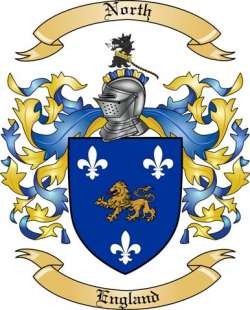
Richard North - Coat of Arms

Richard North was born in 1590 in Romsey, Hampshire, England. His parents were John NORTH and Anna HODELL.  He married Joan BARTRAM 29 Nov 1610 in Olney, Buckinghamshire, England. After Joan died, he married Ursulal [__?__] in Romsey, Hampshire, England. Richard died 1 Mar 1667 in Salisbury, Essex, Mass.

Joan Bartram was born in 1600 in Olney, Buckinghamshire, England.  Joan died  in 1630 in Olney, Buckinghamshire, England.

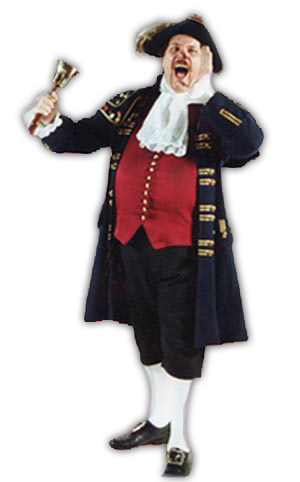
Richard was a "Town Cryer" in Salisbury, Mass beginning in 1643. He received fifty shillings for two years of service, and twenty shillings for one more year.

Ursula [__?__] was born in 1595 in Romsey, Hampshire, England. Ursula died 1 Mar 1670 in Salisbury, Essex, Mass.

Children of  George and Susanna:

Name Born Married Departed
1. Mary North 1617
Romsey, Hampshire, England
Thomas Jones
4 Feb 1681 Salisbury, Essex, Mass
4 Feb 1682
Gloucester, Essex, Mass
2. Sarah North 1619
Glouster, Essex, England
[__?__] Oldham
1637 England
.
Francis Bates
Jul 1657
1649
Salisbury,  Mass
3. Susanna NORTH 30 Sep 1621 in Olney, Bucks., England George MARTIN
11 Aug 1646 Salisbury, Essex, Mass
Executed for witchcraft 19 Jul 1692 Salem, Essex, Mass.

Richard North of Salisbury, Massachusetts was a husbandman (which means that he was a planter). He was pound-keeper, fence-viewer and a town “Cryer” beginning in 1643. Richard received fifty shillings for two years of service, and twenty shillings for one more year.

RICHARD NORTH’S WILL Dated January 26, 1648 Salisbury, Massachusetts Essex Probate #19587

In the name of God Amen: The 26th day of January 1648, I Richard North of the towne of Salisbury in ye County of Norfolke, Massechusets in Newengland. Husbandman being weake in body butt of sound & pfect memory (prayse bee givin to God for the same) and knowing the uncertenty of this life on earth, and being desirous to settle things in Order doe make this my last will & Tesatment in manner & for me following:

That is to say first & principally, I comend my Soule to Allmighty God my Creator assueredly belieiving that I shall receive full pardon & free remission of all my Sins, & bee saved by ye prsious death & meritts of my blessed Savior & Redeemer Christ Jesus, & my body to ye earth whence it was taken to bee buried with such decent, & Christian manner as to my Executrix herafter named shalbee thought meet & convenient And as touching such worldly estate as ye Lord in mercy hath lent mee, my will & meaning is the same shalbee imployed, & bestowed as here after by this my will is expressed:

And first I doe revoke renounce frustrate, & make void all wills by mee formerly made or declared by w____ writing & declare, & appoint this my last will & Testament & none other:

First I will that those debts & duties as I owe in right, & Conscience to any manner of pson or psons whatsoever shalbee well & truly contented & payd, or ordeined to bee payd wthin convenient tyme after my decease by my Executrix:

Item: I give & bequeth to my daughter Mary Jones, the wyfe of Thomas Jones five pound: & to my grand childe Ann Bates the child of my daughter Sarah Old[a]m five pound pvided shee be alive at my decease:

Item: I give & bequeath unto my daugh[ter] Susana Martyn ye wyfe of George Martyn tweny shillings & the tenn pound wich her husband the said George Martyn doth owe unto mee for cattle wch hee received of mee:

Item: I give & bequeath the residue of all my goods Chattells lands howsings debts bills bonds wth all other Rights and privilidges to mee any ways appertaining to belonging: (after my debts pay’d my funerall expences performed & these my Lagasies conteined in this my prsent Testament fullfilled) unto my deare & wel beelooved wyfe Ursula North whom I doe make & ordeine my sole Executrix:

Also I doe make & Ordeine my trustie and wel beeloved ffriends Mr Tho. Bradbury & Richard Wells both of Salibury Overseers fo this my Will & Testament and for their care & paynes therin I bequeath to each of them tenn shilligs as a token of my love: And In witness that this is ye Act & deed of mee the said Richard North I have herunto sett my hand & seal the daye and year above written.

Richard (his) mark ) North (SEAL)
Attested by Tho. Bradbury and Mary Jones, now wife of Nath Winsley. [no date]
=====

Inventory of the estate of Richard North of Salisbury, taken Mar 16, 1667, by Richard Wells, Henry Browne and Sammuell ffelloes:

houses, landes, midoes and preveliges belonging there unto, £ 40; debtes due, £ 75 17s. 9d.; 2 cows and there calfes, £ 8; one yeare old calfe, £ 1; cooorne, 14s.;puter and brase, £ 2 10s.; iron pots, in old iron, 1; books, 12s.; waring cloes linen and wollen and shoes, £ 7; mony 6s.;the trunke and linnen in it, £ 5; a bed and beding,£ 5; a trunelbed, tabell and other wodden hould goodes, £ 2; prouission in the house, £ 1 10s.; erthen vesselles and other small thinges, 5s.

Attested in Salisbury court 14:2:1668 by Ursula North

Francis (his W marke) Bate and wife Ann (her D mark) formerly Ann Oldum acknowledged the receipt from Ursula North, executrix of Richard North of Salisbury, deceased, of a legacy given to said Ann in the will of her grandfather, Richard North, Oct. 4, 1669.
Witness: Tho: Bradbury and Richard Wells.
Acknowledged by both Oct 5, 1669, before Robert Pike (son-in-law of Joseph MOYCE), commissioner.

Thomas (his O mark) Jones of Gloucester, formerly called Cape Ann, acknowledged receipt from Ursula North of Salisbury, widow, of a legacy given to his wife Mary in the will of her father Richard North of Salisbury, late deceased, July 24, 1669.
Witness: Tho. Bradbury and William Bradbury.
Proved by oath of the witnesses in court at Salisbury Apr. 29, 1673
(Norfolk County Records, Vol. 2, leaf 292)

Susanna Martyn and Mary Jones making application for the division of the estate of Richard North between them, by virtue of a judgment of the Court of Assistants in March 1673-4, which declared that said North’s will was not legally proved and referred it to the Norfolk court 14:2:1674, affirmed that it had been legally proved, and Capt. Bradbury testified that he was one of the witnesses before the court and at the time he was compos mentis. (Salisbury Quarterly Court Records, Vol. 2, leaf 28)
Court 14:2:1674, ordered that the papers put into this court about North’s will be delivered to Susannah Martyn and Nathll. Winsley, each to have their own papers, all except the copp of the judgement of the Court of Assistants, last past.
(Salisbury Quarterly Court Records, Vol. 2, leaf 30)

Children

1. Mary North

Mary’s husband Thomas Jones was born 1620 in Ramsey, Hampshire, England. Thomas died 7 Sep 1671 in Gloucester, Essex, Mass.

In 1671, George and Susanna MARTIN (her sister Mary Jones would join them later) became involved in lengthy litigation over Ursula North’s inheritance, most of which Ursula had left to her granddaughter, Mary Jones Winsley. The court sided against Susannah and George, though Susannah was able to bring five further appeals, each being decided against her. In October 1674, their inheritance would be lost when the court found against them in the final appeal.

George Martyn in the right of his wife, and Mary Jones, widow verses Nathaniel Winsly. for withholding the inheritance of housing, lands and other estate, sometime Richard norths deceased, father of said Mary Jones and her sister Martyn, the only surviving children of said North, under color of a feigned or confused writing like the handwriting of Mr. Tho. Bradbury and seemingly attested by him, and Mary Winsly, now wife of the said Nathaniel. Winsly, from which writing the pretended interest of said Winsly, as under Ursula North is derived, and witholded.

1674: Susanna Martyn and Mary Jones making application for the ivision of the estate of Richard North between them, by virtue of a judgment of the Court of Assistants in March,

1673-74, which declared that said Norths will was not legally proved and referred it to Norfolk court, court affirmed that it had been legally proved, and Capt. Bradbury testified that he was one of the witnesses before the court and at rthat time he was compos mentis.

1673: George Martyn & Susana, his wife verses Nathanial Winsly and Mary, his wife. Review of an action formerly tried in Hampton Court Oct 10 1671, commenced by said Martyn against Winsly, for illegally possessing and witholding houses, lands, chattels goods and other estate belonging to the plaintiff, as being their proportion of the estate of Richard North, deceased, father of said Susanna Martyn, all which defendants withold under color of a Pretended nonsence will made about twenty years before the death of said North, under pretence of which Ursula North assumed a right to possess and dispose of the estate to defendants. Special verdict found. If Richard Norths will be legal and legally proved and Ursula, his wife, has power to dispose of the land, they found for defendant, it not, for plaintiff. Court judged the will to be legal. Appealed to the next Corut of Assistants. George Martyn and Joseph Lancaster, both of Amsbery, bound.

29 April 1673: Thomas Jones of Gloster, formerly called Cape Ann, certified that he had received of Ursula North of Salisbury, widow, 5li, it being a legacy given his wife Mary, by her father Richard North of Salisbury, late deceased, said Ursula being executrix of the estate. Witnessesd: Thomas Bradbury and William Bradbury; Sworn by the witnesses at Salisbury Court, April 29

2. Sarah North

Sarah’s first husband [__?__] Oldham was born 1617 in Glouster, Essex, England

Sarah’s second husband Frances Bates was born 1615 in Glouster, Essex, England

3. Susanna NORTH (See George MARTIN‘s page)

Sources:

http://trees.ancestry.com/owt/person.aspx?pid=22458464&st=1

Posted in 12th Generation, Immigrant - England, Line - Shaw, Public Office | Tagged , , | 6 Comments

George Martin

George MARTIN (1618 – 1686) was Alex’s  10th Great Grandfather; one of 2,048 in this generation of the Shaw line.

George Martin – Coat of Arms

George Martin was born in 1618 in Romsey, Hampshire, England.  His parents were not Christopher Martin and Marie Prower, Mayflower Pilgrims who died the first winter.  Christopher Martin, Mary Martin and her son Solomon came to America on the Mayflower, but all died during the first winter in Plymouth Colony, during 1620-21   He immigrated circa 1639 to Salisbury, Essex County, Massachusetts as a servant to Samuel Winsely.  He married Hannah [__?__] before 1643.  After Hannah died in 1646,  he married Susanna NORTH 11 Aug 1646 in Salisbury, Essex, Mass.  George died in 23 Nov 1686 in Salisbury, Essex, Massachusetts.

Over half the first settlers names on this memorial are our ancestors.  They are: Richard Currier, Orlando BAGLEY Sr., John Bailey, William BARNES, Thomas Barnard, Henry Blaisdell, Philip Challis, Anthony COLBY,  John COLBY, Edward Cottle, Jarret Haddon, John HOYT, William Huntington, Thomas Macy, George MARTIN, Valentine Rowell, William SARGENT and John Weed.

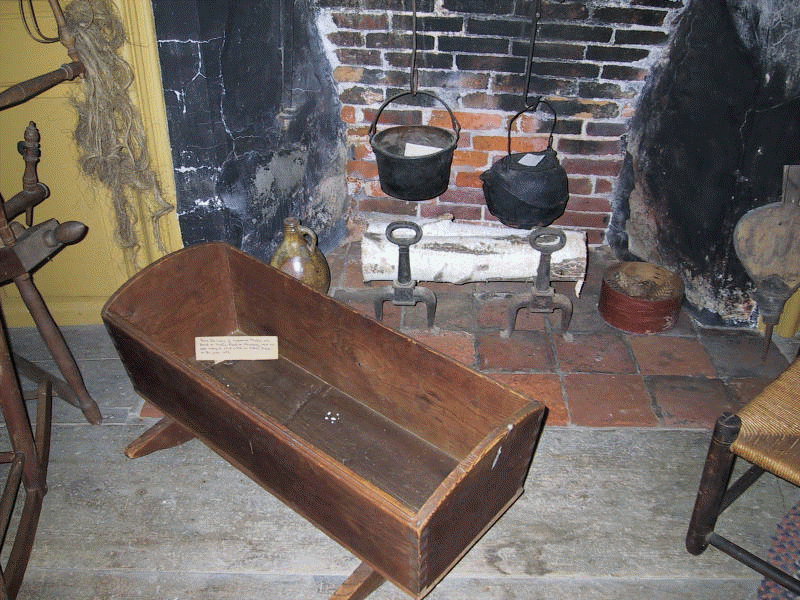
Cradle Belonging to Susannah North Martin — Macy/Colby house  – According to the plaque inside  the cradle was given to the Anthony Colbys  (See link above)  by their good friend, Susannah North Martin, the famous witch of Salem

Susanna North (Wikipedia) was baptized 30 Sep 1621 in Olney, Buckinghamshire, England.  Her parents were Richard NORTH and Joan BARTRAM. Ursula [__?__] was her step-mother.   Susannah was executed for witchcraft on 19 Jul 1692 in Salem, Essex, Mass.

Susanna Martin Memorial – Plaque reads: “Here stood the house of Susanna Martin. An honest, hardworking, Christian woman. Accused as a witch, tried and executed at Salem, July 19, 1692. A martyr of superstition.”

Lone Tree Hill, a famous historical site, bore a tablet on its westerly side marking the site of George and Susannah’s home. The boulder which marked their homestead has been moved to make room for a highway, and it can be found on the map where the highway crosses Martin Road. The marker lies nearby.  George was one of the largest landowners in Amesbury. The inscription on the marker reads: “Here stood the house of Susannah Martin. An honest, hardworking Christian woman accused of being a witch and executed at Salem, July 19, 1692. She will be missed! A Martyr of Superstition. T.I.A. 1894”

Child of George and Hannah

Name Born Married Departed
1. Hannah Martin 1 Feb 1644 Salisbury, Essex, Mass Ezekiel Worthen (Starkweather?)
4 Dec 1661 Salisbury
29 Jun 1730
Amesbury, Mass

.

Children of  George and Susanna:

Name Born Married Departed
2. Richard Martin
29 Jun 1647 Salisbury Mary Hoyt
(Daughter of John HOYT)
1674
Salisbury
11 Mar 1729
Amesbury
3. George Martin 21 Oct 1648 Salisbury Elizabeth [_?_]
bef. 1682
.
Elizabeth Durkee
21 Feb 1713 Ipswich,
14 Apr 1734
Ipswich, Mass
4. John Martin 26 Jan 1650
Salisbury
Mary Weed
1675 in Salisbury
6 Oct 1693
Amesbury
5. Esther Martin 7 Apr 1653 Salisbury John Jameson (Gimson)
15 Mar 1670 Salisbury
1696
Amesbury
6. Jane MARTIN 2 Nov 1656 Salisbury Samuel HADLEY Sr.
11 Aug 1676 Amesbury,
9 Jan 1684 Amesbury
7. Abigail Martin 10 Sep 1659 Salisbury James Hadlock
3 Dec 1679 Amesbury
2 Jul 1716
Amesbury
8. William Martin 11 Dec 1662 Salisbury Mary Stone
1695
1726
Salisbury
9. Samuel Martin 29 Sep 1667 Salisbury 1683
Amesbury

George  was a proprietor between 1642 and 1664. He purchased Job Cole’s land rights in East Salisbury circa 1643. He took the oath of fidelity in 1646.

His line of services seemed to be in laying out land and roads and bounding lots. He was one of the earliest pioneers in this Western Territory, having crossed the Powow River in1649 at which time he bought half of a twenty-acre lot of Thomas Macy adjoining that river. Here he built his house and lived till the 11th, 12th month, m1650 (February 11th, 1651) when he sold his farm to Philip Challis. George now removed a short distance to the farm he bought from Anthony Saddler, also on the Powow River. This place he sold to Richard Currier in 1660 and removed to the West side of Ring’s Hill on the Old Hunt’s Lane, where he lived till his death. In 1667 the town ordered a Bridge near his house, and the road across the swamp may yet be seen and the brook over which the bridge was laid.

George Martin was one of the fifteen “humble immortals” who, in 1653, stoutly and successfully maintained for the first time the right of petition for the subjects of the English crown.  Lt. Robert Pike (son-in-law of Joseph MOYCE), of Salisbury, an influential citizen, had denounced a law passed by the General Court, for which he was convicted, fined and disfranchised by the General Court.  Lt. Pike, a prominent town official and later a member of the General Court, denounced the law forbidding to preach if not Ordained. Which law was aimed at Joseph PEASLEE and Thomas Macy, believers in the Baptist Doctrine, with Quaker tendencies. The autocratic General Court resented this and Lieutenant Pike was fined over thirteen pounds and bound to good behavior.   This punishment caused many citizens of Salisbury and the surrounding towns to petition for a revocation of the sentence.  This offended the Court still more, and the signers were called upon to give “a reason for their unjust request”.  Out of the seventy-five who signed, the above mentioned fifteen alone refused to recede or apologize, and they were required to give bonds and to “answer for their offense before the County Court”.  Their cases were never called to trial, and they thus, by their firm stand, laid the foundation for these rights, which are now granted in all the civilized world.

Last will & testament of George Martin of Amesbury, MA:

November 23, 1686

In ye name of God Amen
I George Martin of ye town of Amsbury in ye County of Essex being through Gods goodness of prfect memory & understanding, doe make this my last will & testament in mannr as followeth
Imprimis I commend my spirit to God whoe gave it, & and my body to ye dust decently to be buried (at ye chardges of my executr, whome I shall hereafter name and appoynt) in hopes of a [joy]full resurrection at ye last day unto life eternall
2dly I give & bequeath unto my natural [i.e. legitimate] Children viz: my Sonns Richrd Martin, & John Martin, & my Daughters, Hanna Wathen: Hester Gimson, Jane Hadley & Abigail Hadlock unto each & every of them five shillings apiece to be payd in good and merchantable pay within one twelvemonth next aftr my decease
3dly I give & bequeath unto my Grandchild John Hadlock five pounds in good & merchantable pay in case yt ye sd John live wth me or my wife or my son
Will: untill yt he come unto ye full & compleat age of twenty one years.
4thly I give & bequeath all ye rest of my housing, lands stock & estate both moveable & Immoveable unto my wife Susanna during her Widowhood, & after her marriage, or decease (in case she marry not againe) unto my youngest son William.
ffinally: I Doe appoint, Constitute & ordaine my Wife Susanna, to be exectutrix and my youngest son Will: martin to be executr in conjunction wth her unto this my last Will & testament. A[nd in] confirmat[ion] of ye promisees I have hereunto subscribed my hand & seale Dated the nineteenth day of January An: Dom: one thousand six hundred eighty & three or foure.

Susannah (North) Martin (baptized September 30, 1621 – July 19, 1692) was a woman executed for witchcraft during the Salem witch trials.

Martin was the fourth daughter, and youngest child, of Richard North and Joan Bartram. Her mother died when she was a child. Her stepmother was named Ursula. She was baptized in Olney, Buckinghamshire, England on September 30, 1621. Her family first moved to Salisbury, Massachusetts around 1639. On August 11, 1646 at Salisbury, Susannah married the widower George Martin, a blacksmith with whom she had eight children, including daughter Jane, the great-great-great-great grandmother of Chester A. Arthur. In 1669, Susannah was first formally accused of witchcraft by William Sargent Jr., son of our ancestor William SARGENT. In turn, George Martin sued Sargent for two counts of slander against Susannah, one for accusing her of being a witch, and another for claiming one of her sons was a bastard and another was her “imp.” Martin withdrew the second count, but the Court upheld the accusation of witchcraft. The jury in the case found for the defendant, but the Court “concurred not with the jury”. A higher court later dismissed the witchcraft charges.

Another version of the story

In 1669 Susanna was required to post 100 pounds bond to appear in court on a charge of witchcraft, a capital offense. At the same time George Martin sued William Sargent, Jr. for slander for saying that “…said Martyn’s wife had a child at Capt. Wiggins and was wringing its neck in Capt. Wiggins’ stable, when a man entered, and she took him by the collar and told him she would be the death of him if he told”; he sued William Sargent “…for saying his wife was a witch and he would call her a witch.” George also sued Thomas Sargent “…for saying that his son George Marttin was a bastard and that Richard Marttin was Goodwife Marttin’s imp,” (a witch’s familiar.)

Charges were dropped against Thomas Sargent, William Sargent, Jr.. was found guilty of accusing Susanna of ” fornication and infanticide” and George was awarded (in what appears to be a public insult) the amount of “a white wampam peague (colonial currency) or the eighth part of a penny damage” by the magistrates. William Sargent  was acquitted of witchcraft slander, although, “the Court did not agree.” The records of Susanna’s first trial for witchcraft have not survived, but as she was around for another 23 years, we might assume that she was acquitted.

In October, 1669 George Martin was sued by Christopher Bartlett because Susanna had called him a liar and a thief. The verdict was against George and Susanna but they had other problems to deal with. At that same court session, their son Richard was ” presented by the grand jury at the Salisbury Court, 1669, for abusing his father and throwing him down, taking away his clothes and holding up an axe against him.” The court found him guilty and sentenced Richard to be “whipped ten stripes.”

In 1671, George and Susanna (her sister Mary Jones would join them later) became involved in lengthy litigation over Ursula North’s inheritance, most of which Ursula had left to her granddaughter, Mary Jones Winsley. The court sided against Susannah and George, though Susannah was able to bring five further appeals, each being decided against her.  In October 1674, their inheritance would be lost when the court found against them in the final appeal.

George died in 1686, leaving Susannah an impoverished widow by the time of the second accusation of witchcraft in 1692. Inhabitants of nearby Salem Village, Massachusetts had named Susannah a witch and stated she had attempted to recruit them into witchcraft. Susannah was tried for these charges, during which process she proved by all accounts to be pious and quoted the Bible freely, something a witch was said incapable of doing. Cotton Mather countered Susannah’s defence by stating in effect that the Devil’s servants were capable of putting on a show of perfect innocence and Godliness.

Our ancestor Orlando BAGLEY Jr. was the arresting Amesbury constable. See his page for images of the original summons, examination and death warrant.  Susannah was found guilty, and was hanged on July 19, 1692 in Salem.

Some interesting excerpts from the transcript of Susannah’s trial are below: (spelling, punctuation, capitalization as original)

“To the Marshall of the County of Essex or his lawful Deputies or to the Constable of Amesbury: You are in their Majesties names hereby required forthwith or as soon as may be to apprehend and bring Susanna Mertin of Amesbury in y county of Esses Widdow at y house of Lt. Nathaniel Ingersolls in Salem village in order to her examination Relating to high suspicion of sundry acts of Witchcraft donne or committed by her upon y bodies of Mary Walcot, Abigail Williams, Ann Putnam, and Mercy Lewis of Salem village or farms whereby great hurt and damage hath been donne to y bodies of said persons…. etc”

Abigail Williams by Winona Ryder — The Crucible 1995

At the preliminary trial for the crime of “Witchcraft and sorcery” Susanna pled not guilty. The original court record book has been lost, but the local Puritan minister, Cotton Mather, recorded the testimony. Susanna and the others accused were not allowed to have council.

“As soon as she came in, Marcy had fits”
Magistrate: Do you know this woman?
Abigail Williams saith it is goody Martin, she hath hurt me often.
Others by fits were hindered from speaking.
Marcy Lewis pointed at her and fell into a little fit.
Ann Putnam threw her glove in a fit at her.

……………. Susanna laughed …………….

Magistrate: What! Do you laugh at it?
Martin: Well I may at such folly.
Mag: Is this folly? The hurt of persons?
Martin: I never hurt man or woman or child.
Marcy: She hath hurt me a great many times and pulls me down.

Then Martin laughed again.

Susannah Martin portrayed reading her Bible in the Salem jail.Caption: “Who turned, in Salem’s dreary jail,/Her worn old bible o’er and o’er.” Source: Mabel Martin: A Harvest Idyle. By John Greenleaf Whittier, Boston: Houghton, Mifflen & Co. 1876, p. 43. Artist, Mary A. Hallock.

Probably the worst indignity that Susanna was twice forced to submit to was the physical examination for evidence of a “witch’s tit or physical proturberance which might give milk to a familiar.” No such deformity was found in Susanna but it was noted that “in the morning her nipples were found to be full as if the milk would come,” but by late afternoon “her breasts were slack, as if milk had already been given to someone or something.” This was an indication that she had been visited by a witch’s familiar, and was clear evidence of guilt.

Aftermath

In the 19th century, poet John Greenleaf Whittier composed “The Witch’s Daughter” about Martin.

“Let Goody Martin rest in peace, I never knew her harm a fly,
And witch or not – God knows – not I?
I know who swore her life away;
And as God lives, I’d not condemn
An Indian dog on word of them.”

The Massachusetts State Legislature in 1999 passed the “Massachusetts House Bill No. 4457 – The witchcraft trial of 1692” that was signed into law by the Governor of Massachusetts to eliminate the stigma associated with the deaths of the final five thus killed.

In 1711, the colonial General Court, the predecessor of today’s Legislature, set aside the convictions of fifteen of the condemned based on the petition from family members. But Mrs. Martin and four others who had no surviving relatives to speak up for them remained branded as witches. Over the next several years, efforts to overturn the remaining six convictions failed, in part because officials feared having to pay damages to descendants.

In 1948, a Louisiana man who was related to one of the six renewed the effort. Nine years later, lawmakers passed a resolution exonerating the Louisiana man’s relative, Anne Pudeator, and ”others” who were never named. Based on this technicality of omission, the last five alleged witches have never been legally cleared. Rep. Ruane’s bill clearly states the names of the other five women, officially ending this final chapter in the witchcraft trials. Besides Mrs. Martin, the women cleared in 1999 were Wilmot Redd of Marblehead, Alice Parker and Bridget Bishop, both of Salem, and Margaret Scott of Rowley.

Children

1. Hannah Martin

Hannah’s husband Ezekiel Worthen (Starkweather?) was born 24 Jun 1636 in England. His parents were George Wathen and Margery Hayward. Ezekiel died 15 Jun 1716 in Amesbury, Essex, Mass.

Ezekiel was born in 1636 and baptized at St. Nicholas Parish in Bristol on April 15, 1636. Ezekiel was apprenticed to Thomas Abree at the age of eight. He and his family lived in Amesbury and had eleven children. He was in Salem in 1662, but removed to Amesbury, Massachusetts, about 1663. He received land in Amesbury that year and had a seat in the meeting house in 1667. He took the oath of allegiance at Amesbury in 1677, and signed the petition of 1680. He went from Salem with Samuel Foote. Both married daughters of men who became commoners at Amesbury. Ezekiel Worthen married, December 4, 1661, Hannah Martin, who died at the house of her son-in-law, Samuel Fowler, June 29, 1730. Ezekiel Worthen died in 1715 or 1716. His will was dated May 5, 1715, and proved August 6, 1716.

2. Richard Martin

Richard’s wife Mary Hoyt was born 20 Feb 1646 in Salisbury, Mass. Her parents were John HOYT and Frances TEWKSBURY. She first married 19 Dec 1663 in Newbury, Mass. to Christopher Bartlett. Mary died 1728 in Amesbury, Mass.

George also sued Thomas Sargent “…for saying that his son George Marttin was a bastard (See above)

In October 1669, Richard was “presented by the grand jury at the Salisbury Court, 1669, for abusing his father and throwing him down, taking away his clothes and holding up an axe against him.” The court found him guilty and sentenced Richard to be “whipped ten stripes.”

3. George Martin

George’s first wife Elizabeth [_?_] was born in 1650.

George’s second wife Elizabeth Durkee was born in 1658 in Ipswich, Essex, Mass. Elizabeth died in 1712.

George also sued Thomas Sargent “…for saying that his son Richard Marttin was Goodwife Marttin’s imp,” (a witch’s familiar.) (See above)

4. John Martin

John’s wife Mary Weed was born 5 Sep 1653 in Salisbury, Essex, Mass. Her parents were John Weed and Deborah Winsley. Mary died 1713 in Amesbury, Essex, Mass.

5. Esther Martin

Esther’s husband John Jameson (Gimson) was born 1 Sep 1648 in Salisbury, Essex, Mass. His parents were James Jameson and Sarah [__?__]. John died in 1713 in Amesbury, Essex, Mass.

6. Jane MARTIN (See Samuel HADLEY Sr.‘s page)

7. Abigail Martin

Abigail’s husband James Hadlock was born 1655 in Salem, Essex, Mass. His parents were James Hadlock and Damaris Fosdick. James died 2 Jul 1716 in Amesbury, Essex, Mass.

8. William Martin

William’s wife Mary Stone was born 1674 in Mass.

Sources:

http://trees.ancestry.com/owt/person.aspx?pid=22500477&st=1

http://www.genealogyofnewengland.com/b_m.htm

Records and Files of the Quarterly Courts of Essex County

Short film about Susannah – http://www.screamingsoloud.com/susannah.html

http://www.famhist.us/2011/05/08/susannah-north-martin-was-not-a-witch/

Posted in 12th Generation, Artistic Representation, Dissenter, Historical Monument, Historical Site, Immigrant - England, Line - Shaw, Pioneer, Public Office, Wikipedia Famous, Witch Trials | Tagged , | 45 Comments

John Proctor

John PROCTOR (1595 -1672) was Alex’s  11th Great Grandfather; one of 4,096 in this generation of the Shaw line.

John Proctor – Coat of Arms

John Proctor was born in 1595 in London, England. He married Martha HARPER 1 Jun 1630 in Groton, Suffolk, England.  He sailed on the Susan and Ellen which left London on 14 April 1635 and arrived in New England on 9 May 1635.with his wife,  and two children, Mary, aged 1, and 3-year-old John, Jr.   John died 11 Oct 1672 in Ipswich, Essex, Mass.

Martha Harper was born in 1607 in London, England. Martha died 13 Jun 1659 in Ipswich, Essex, Mass.

Children of  John and Martha:

Name Born Married Departed
1. John Proctor 30 Mar 1632 Assington, Suffolk, England Martha Giddons
1652
Ipswich, Essex, Mass
.
Elizabeth Thorndike
Dec 1662
Ipswich, Essex, Mas
.
Elizabeth Bassett
1 Apr 1674
Salem, Essex, Mass
19 Aug 1692
Salem, Mass
2. Mary PROCTOR 1633 in London, England George HADLEY
1650 in Ipswich, Essex, Mass.
1667 in Ipswich, Essex, Mass
3. Joseph Proctor 1636
Salem, Essex, Massa
Martha Wainwright
1660
Salem
1683
Ipswich, Mass
4. Sarah Proctor 1636 Ipswich, Essex, Mas William Dodge
10 Apr 1659 Salem
28 Nov 1672
Ipswich
5. Abigail Proctor 24 Aug 1637
Salem,
Thomas Varney
1662
Salem
1 Mar 1732
Ipswich
6. Benjamin Proctor 1638
Salem,
Deborah Hart
Feb 1673 Salem
1705
Ipswich
7. Martha Proctor c. 1640 James White
14 Oct 1658
Salem, Essex, Mass.
8. Hannah Proctor 1647
Salem
[__?__] Weden 1670

The name “Proctor” is Northern English: it’s an occupational name from the Middle English term prok(e)tour (‘steward’), reduced from the Old French term procurateour, and the Latin procurator (‘agent’, from procurare—‘to manage’). The term was used most commonly of an attorney in a spiritual court, but also of other officials such as collectors of taxes and agents licensed to collect alms on behalf of lepers and enclosed orders of monks. The family Coat of Arms is gold with three black nails; The crest is a red bird. The family motto, “Toujours fidele,” translates as “Always faithful”—which is a rarity for agents.

Alternatively, the Proctor Coat of Arms is three red crosses or birds with a red chevron

Proctor Coat of Arms 2

Proctor Coat of Arms 3

John Proctor Sr. was a prosperous landowner, and “occupied many various offices of trust in the colony.

In 1666 William Fellows along with John PROCTOR Sr, jointly purchased a four rod lot with a house on the west corner of Green Street and the Meeting House Green. The double ownership continued during his life, but on Dec 21, 1676, Fellows’ executors bought the Proctor interest from the family heirs..

John Proctor Sr. Will From the Vital Records of Ipswich, Essex Co., MA

In the name of god Amen: I John Procter Senr beinge aged & inform in body of sownd understandine & memory (god be praised) doe make & ordaine this my last will & testament in manner & forme followinge,viz. First i give my soul into the hands of god who hath redeemed it by the most precious blood of his deare Son Jesus Christ and my body be desently buried in hope of a happy resurection at the last day.

Item. I give my wife fower pownds yearly to be pd in merchantable paye at the price Currant soe long as she Liveth.
Item. I give my wife Martha the milk of two cows which She shall choos& every spring.
Item. My will is that every year she shall have a good hog of one yeare & halfe old wel fatted & fower bushels of malt & fower bushels of wheate, also I give her the horse that was George Stevensons to be kept for her use both winter & sumer & to be attended as neede doth require, also two yews and there Fleeces & what increeses of them, also I give her the use of the bed and al belonging to it in the parler roome & al the wood she needeth ready split and cut up for herfires, also the comand of al my…….pewter & al this (except onely the fower pownds…….which she shal have dureing her life is to be….shal have soe long as she remaineth a wido…..also my wil &meaning is she shall…..whether she will except of what I doe thus dispose or stand to her dower or thirds wch the law al…..for which she shal take one month to considr of. Also I give Martha Hadly my grand-daughter tenn pownds in mrch….pay to be be paid out the day ofher maridg also I give to Jno Ha……my grandsonn fifty shillings to be pd when his tyme….out with John Davis, also I give to my ffower daughters Martha White, Abigail Varney, Sara Dodge & Hanna Wede five pounds apeece also I do make & apoint my three Sons John Procter, Joseph Procter & Benjamin Procter executors of this my last wil & testament & they are to have my lands & my moveables equaly devided amongst them.
In witness hearof I have heare unto Sett my hand this 28th of august 1672.

John (his V mark) Procter
Witness: Samuel Symonds, John Dane junr.
Proved in Salem court 28: 9: 1672 by Mr. Samuel Symonds, and the courtwas informed there was something more added verbally to be left to the court’s further consideration.
Inventory………
Copy of will and inventory, Essex County Probate Records, vol. 301 pgs6 & 7.
~~~~~~~~~~~~~~~~~~~~
Sarah Story and Mary Fellows testified in Ipswich court 24:7:1672 that being at Goodman Procter’s house, they asked him what should be done with his wife’s clothing and he answered that it should be disposed of among his daughters and Martha Hadley, both woolen and linen, also her horse & all the wool that was in the chamber, about one or two pounds. He also said that he had given his son James White one pair of oxen which were not entered in his will. Copy made Oct 3, 1672 by Robert Lord, cleric.
The court at Salem 26:4:1673 ordered the above written to be annexed to the will.
Essex County Quarterly Court Files, vol. 20, leaf 147.

Children

1. John Proctor

John and Elizabeth Proctor by Daniel Day-Lewis and Joan Allen  — The Crucible 1996

John’s first wife Martha Giddons was born 1635 in Ipswich, Essex, Mass. Martha died 13 Jun 1659 in Ipswich, Essex, Mass.

John’s second wife Elizabeth Thorndike was born 1641 in Salem, Essex, Mass. Her parents were John Thorndike and Elizabeth Stratton. Elizabeth died 0 Aug 1672 in Salem, Essex, Mass.

John’s third wife Elizabeth Bassett was born 1650 in Lynn, Essex, Mass. Her parents were William Bassett and Sarah Burt. Elizabeth died 19 Aug 1692 in Salem, Essex, Mass.

John Proctor Jr. (Wikipedia) was a farmer in 17th Century Massachusetts. He married three women in his life, the first two in which were divorced. The last one he married was Elizabeth Proctor gave birth to three children, of which the third was not yet baptized. During the Salem Witch Trials he was accused of witchcraft,convicted and brought to prison. Weeks later, he was bidden to confess to witchcraft and sign a document to prove it. After signing the document, Proctor wanted to keep the document from being nailed above the door of the Court of Oyer and Terminer.

John Proctor was a successful farmer, entrepreneur, and tavern keeper who lived far from Salem Village center, on the edge of Salem Town in what is today Peabody, Mass. He had never been directly involved in Salem Village politics or litigation with the Putnams, but his interests were diametrically opposed to those of the old, established village elite. He had risen to considerable wealth and prestige. But to the Putnams, with their defensive, inflexible outlook, Proctor and his wife remained hated outsiders.

John leased his farm from Emanuel Downing, [son of our ancestor George DOWNING] who returned to England in 1656. Proctor ran a tavern out of the same house in Peabody MA . (348 Lowell St.) as had Mr. Downing.

John Proctor House — 348 Lowell St. Peabody, Mass.

John Proctor, an early opponent of the witch hunt, lived in this house in 1692. One of the afflicted girls, Mary Warren, was a maidservant in his household. Proctor had cured her fits with a good whipping and maintained that the others could be cured with similar treatment.  The stream which runs behind the house is known to this day as Proctor Brook. The Proctor house is privately owned.

The grant for this farm was originally given to Robert Cole in 1635 by the selectmen of Salem. He sold it to Emanuel Downing in 1638. In 1700 Charles Downing, the son of Sir George, sold the farm to Thorndike Proctor. He was the son of the murdered John Proctor. It remained in the Proctor family until 1851.

Then for years it was known as the Roome farm. The Downing/Proctor house still stands at 348 Lowell St. in Peabody. The Saccone family occupied the Downing/Procter house/tavern for twenty years and found early 1700 clay earthenware in the attic.

Vincent and Marion Raponi, who bought the house from the Saccone’s, have owned the property for some twenty-odd years now and report having found two British coins dating back to 1740 and 1755. When they started remodeling the house they found three fireplaces and the original wall and ceiling beams which were held in place by wooden pegs.

Although farming was his primary business, Proctor’s wife and daughter ran a local tavern on Ipswich Road. Proctor seems to have been an enormous man, very large framed, “impulsive,” with great force and energy. Proctor is described on several occasions, from various sources as a strong-willed beast of a man. Charles Upham writes, “He was a man of Herculean frame…he had great native force and energy…he was bold in his spirit and in his language.” Although an upright man, he seems to have been rash in speech, judgment, and action. It was his unguarded tongue—that would eventually lead to his death.

Because Betty Parris, Abigail Williams, and Ann Putnam, Jr. were too young to testify, their accusations had to be endorsed by adults in the village, including Mr. Putnam and other leaders in Salem Village church.

John Proctor Jr. – Cenotaph on a bench outside of Burying Point Cemetery,  Salem Essex County Massachusetts.    The actual location of his body is unknown. It was likely cast off in a ditch, not deserving of a Christian burial due to the witchcraft charge.

Accusations and trial

Although Abigail Williams was John Proctor’s chief accuser, he was also named by Mary Walcott, who stated he tried to choke her and his former servant Mary Warren on April 21. Mary Warren told magistrates that Proctor had beaten her for putting up a prayer bill before forcing her to touch the Devil’s Book. Further allegations of an increasingly salacious nature followed.

Hugh Jones, son-in-law of our ancestor John FOSTER Sr. died Salem in 1688 testified against Elizabeth Procter from beyond the grave.   The record of his decease of Hugh Jones has not been found, but it may be surmised that he came to a mysterious end, as, during the Salem witchcraft trials in 1692, Elizabeth Booth deposed that the uneasy ghosts of four murdered persons appeared to her; and assured her that Mrs. Elizabeth Proctor was their murderer.

Elizabeth Booth age 18 or thereabouts testifieth

 that one the 8 of June hugh Joanes Apered unto me & told me that Elesebeth procter Kiled him be Cause he had a poght of sider of her which he had not paid her for

The 8 of June Elesebeth Shaw apeared unto me & told me that Elesebeth proctor & John wilard Kiled Her Because she did not use those doctors she Advised her too

that one the 8 of June the wife of John fulton Apered unto me & told me that Elesebeth proctor Kiled her Because she would not give her Aples when she sent for sum

that one the 8 of June Doc’r Zerubabel Endecot Apered unto me & told me Elesebeth proctor Kiled him because they difered in their judgments a bout thomas veries wife & lickwis the saide Elesebeth proctor would have kiled doct Endecots wife but Cold not But lamed her a Good while

John Proctor continued to challenge the veracity of spectral evidence and the validity of the Court of Oyer and Terminer which led to a petition signed by 32 neighbors in his favor. The signatories stated that Proctor had lived a ‘Christian life in his family and was ever ready to help such as stood in need.’

John and Elizabeth Proctor were tried on August 5, 1692. They were both found guilty and sentenced to hang. Still maintaining his innocence, Proctor prepared his will but left his wife with nothing. Someassume that he did this as he assumed his wife would be executed as well. Proctor was executed on August 19, 1692, along with George BurroughsJohn WillardGeorge Jacobs, Sr.Rebecca Nurse (Daughter of our ancestor )and Martha Corey.

Daniel Day Lewis and Joan Allen as the Proctors in Arthur Miller’s play and film about the Salem with trials, “The Crucible.” (Daniel needs to add about 50 pounds and 30 years if he wants to resemble the real man, who was 60 and heavy-set.)

The executed “witches” were thrown into shallow holes in the ledge under Gallows Hill. Some brave members of the Proctor family located John’s body and removed it, secretly burying it on the grounds of their homestead (which they no longer legally owned). As for

Elizabeth, since  pregnant at the time of her condemnation, she was able to avoid execution at her appointed time, and gave birth to a child two weeks after John’s execution. Thus, her unborn child saved her life. In May of 1693, Govenor Phips pardoned the remaining accused of witchcraft. Although pardoned, she was still a convicted felon in the eyes of the law and barred from claiming any of her husband’s property as a result. On December 17, 1710, 578 pounds and 12 shillings was paid to her in restitution for her husband’s death.

Accusations towards other members of the Proctor family

In 1692, fourteen complaints were filed; twelve were against relatives of the Proctor family. Only John Proctor, Elizabeth Proctor, and Rebecca Towne aka Rebecca Nurse were convicted, and only John and Rebecca were executed.

1. John Proctor, husband of Elizabeth Bassett aka Elizabeth Proctor and the father of Benjamin, William and Sarah Proctor.
2. Elizabeth Bassett aka Elizabeth Proctor, third wife of John Proctor
3. Benjamin Proctor, son of John Proctor and his first wife Martha Giddons
4. William Proctor, son of John Proctor and his third wife, Elizabeth Bassett aka Elizabeth Proctor
5. Sarah Proctor, daughter of John Proctor and Elizabeth Bassett aka Elizabeth Proctor
6. Mary Bassett aka Mary DeRich was the sister of Elizabeth Bassett aka Elizabeth Proctor 7. Sarah Hood aka Sarah Bassett was the wife of William Bassett, Jr., Elizabeth’s brother.

Extended family:

  • Thomas Farrar, Sr., father-in-law of Elizabeth (Hood) Farrar who was the sister of Sarah Hood aka Sarah Bassett
  • Elizabeth Hutchinson, wife of Isaac Hart whose sister, Deborah Hart, was married to Benjamin Proctor, brother of John Proctor.
  • Rebecca Towne Nurse, Sarah Towne Cloyse  & Mary Towne Estey  were sisters
  • Elizabeth Proctor, daughter of John Proctor and Elizabeth Bassett Proctor married Thomas Very in 1681. His sister, Elizabeth Very was the second wife of John Nurse, the eldest son of Rebecca Towne Nurse

Aftermath

In January 1693, while still in jail, Elizabeth (Bassett) Proctor gave birth to a son, John Proctor III. Elizabeth and John III remained in jail until May 1693, when a general release freed all of those prisoners who remained jailed. Unfortunately, even though the general belief of the people was that innocent people had been wrongly convicted, Elizabeth had in fact been convicted and was considered guilty. In the eyes of the law she was considered a “dead woman” and could not claim any of her husband’s estate. Elizabeth petitioned the court for a reversal of attainder to restore her legal rights. No action was taken for seven years.

June 1696 –  Elizabeth filed an appeal to contest her husband’s will. At the time John wrote his will, he had assumed that Elizabeth would be executed and had left her nothing. On September 22, 1696 Elizabeth married again to Daniel Richards.

July 1703 – Several more people filed petitions before any action was taken on Elizabeth’s appeal for reversal of attainder. The Massachusetts House of Representatives finally passed a bill disallowing spectral evidence. However, they only gave reversal of attainder for those who had filed petitions. This primarily applied to Elizabeth Proctor.

1705 – Another petition was filed requesting a more equitable settlement for those wrongly accused. In 1709, the General Court received a request to take action on this proposal. In May 1709, 22 people who had been convicted of witchcraft, or whose parents had been convicted of witchcraft, presented the government with a petition in which they demanded both a reversal of attainder and compensation for financial losses.

17 Oct 1711 – The General Shop passed a bill reversing the judgment against the 104 people listed in the 1709 petition. There were still an additional 7 people who had been convicted, but had not signed the petition. There was no reversal of attainder for them.

11 Dec 1711 – Monetary compensation was finally awarded to the 22 people in the 1709 petition. The sum of ₤578 and 12 shillings was authorized to be divided among the survivors and relatives of those accused. Most of the accounts were settled within a year. The award to the Proctor family for Elizabeth was $1500, much more money from the Massachusetts General Court than most families of accused witches.

Thorndike Proctor purchased the Groton Farm from the Downings of London, following the hanging of his father. The farm was renamed Downing Farm. Eight generations of Proctors resided, until 1851. Thorndike subsequently sold nearly half of the Downing Farm to his half-brother Benjamin.

By 1957, not all the condemned had been exonerated. Descendants of those falsely accused demanded the General Court clear the names of their family members. In 1957 an act was passed pronouncing the innocence of those accused, however, it only listed Ann Pudeator by name and the others as “certain other persons”, still failing to include all names of those convicted.

In 1992, the Danvers Tercentennial Committee persuaded the Massachusetts House of Representatives to issue a resolution honoring those who had died. After much convincing and hard work by Salem school teacher Paula Keene, Representatives J. Michael Ruane and Paul Tirone and a few others, the names of all those not previously listed were added to this resolution. When it was finally signed on October 31, 2001 by Governor Jane Swift, more than 300 years later, all were finally proclaimed innocent.

The Crucible

The Crucible by Arthur Miller, a fictionalized version of the trials casts John Proctor as one of the main characters in the play. Proctor is portrayed as being in his thirties and Abigail Williams is 17 and a half years old, while the real John Proctor and Abigail Williams were respectively about sixty and eleven years old at the time of the witch trials. In the play, they had an affair, as a result of which Abigail accused Elizabeth Proctor of witchcraft. In reality, Elizabeth Proctor was initially named by Ann Putnam on March 6, alleging that Proctor’s spectre attacked the girl. She was accused by Abigail on March 14 and further accusations were made by Mercy Lewis. Miller has Mary Warren accuse Proctor of afflicting her but this followed his initial accusation by Abigail in early April 1692. There is no historical evidence to suggest that Abigail even knew John Proctor before she accused him of witchcraft.

In the 1996 film based on the play, Proctor was played by Daniel Day-Lewis.

Elizabeth (Bassett) Proctor (Wikipedia) – (born 1652 in Lynn, Massachusetts) was accused of witchcraft in the Salem Witch Trials. She was the third wife of John Proctor, who went on to remarry after her husband John Proctors death. Part of her life was fictitiously dramatized as part of Arthur Miller‘s play The Crucible and later adaptations.

2. Mary PROCTOR (See George HADLEY‘s page)

3. Joseph Proctor

Joseph’s wife Martha Wainwright was born 24 Jun 1658 in Ipswich, Essex, Mass. Her parents were Francis Wainwright and Phillis Sewell. Martha died in 1701 in Southwark Parish, Surry, Virginia.

4. Sarah Proctor

Sarah’s husband William Dodge was born 19 Sep 1640 in Salem, Essex, Mass. His parents were William Dodge and Elizabeth [__?__]. After Sarah died, he married 27 Oct 1698 in Marblehead, Essex, Mas. to Mary Creatty (b. 1638 in Beverly, Mass – d. 1 Feb 1702 in Essex, Mass.)  Mary was the widow of John Balch who had drowned in 1662 in a violent storm at Beverly Ferry. Willliam died 24 Mar 1720 in Beverly, Essex, Mass.

William Dodge Headstone – Abbott Street Burial Ground Beverly Essex County Mass

5. Abigail Proctor

Abigail’s husband Thomas Varney was born 1630 in Ipswich, Essex, Mass. His parents were William Varney and Bridget Knight. Thomas died 4 Dec 1692 in Ipswich, Essex, Mass.

Thomas was apprenticed in his youth to John Hardy of Salem Massachusetts. John names Thomas in his will, dated 30 March 1652 and proved 30 June 1652:

“Item: I give unto my said son-in-law [Roger Haskale] all my interest in Thomas Varney my apprentice unless his parents buie his time by payinge the som of seven pound that I pd for his time whch if they shall doe I give the sd som of seven pounds to my sd son-in-law.”

The repurchase appears to have taken place. In the inventory of the estate, even though two other apprentices are mentioned as property, Thomas is not. It would appear that Thomas had only just begun his apprenticeship with Hardy.

6. Benjamin Proctor

Benjamin’s wife Deborah Hart was born 1655 in Reading, Middlesex, Mass. Her parents were Isaac Hart and Elizabeth Hutchinson. Deborah died 16 Jun 1710 in Ipswich, Essex, Mass.

7. Martha Proctor

Martha’s husband James White was born about 1635 in Salem, Essex, Mass.

8. Hannah Proctor

Hannah’s husband [__?__] Weden was born 1645 in Salem, Essex, Mass. He died 1670 in Ipswich, Essex, Mass.

Sources:

http://trees.ancestry.com/owt/person.aspx?pid=2142865

http://hausegenealogy.com/proctor.html

Posted in 13th Generation, Artistic Representation, Immigrant - England, Line - Shaw, Tavern Keeper, Wikipedia Famous, Witch Trials | Tagged , | 42 Comments

George Hadley

George HADLEY Sr. (c. 1615 – 1686) was Alex’s  10th Great Grandfather; one of 2,048  in this generation of the Shaw line.

Most genealogies state George Hadley was born 9 Mar 1628 in Reydon, Suffolk, England and his parents were George HADLEY and Elizabeth SPOONER.   However, the only firm documentary evidence we have about his origins is that he sold land in Ipswich in Jan 1639.  Since it is not likely that George was 11 years old when he sold land, 1628 is probably not the correct date for his birth.  Since George and Elizabeth did marry until 24 Jun 1624 in Frostenden, Suffolk, England, it is not likely that they are his parents and their George born in 1628 must be a different person.

One genealogist states the reference to Reydon is possibly from the books by Charles Banks. A review of his manuscription connection at the Library of Congress shows no basis for this claim.   He found that Mr. Banks mistook a marriage record of a George Hadley to Ann Jesopp “of” Reydon for a link of George to Reydon.

Barb Hadley Edge writes:  I’ve always agreed this was not our George Hadley. I also found this info last year: from the book ‘The Parish Registers of Frostenden, Suffolk, England, Baptisms, Marriages,and Burials” – privately published for Frederick Arthur Crisp in London, 1887. Boston Library.

pg. 20: elizabethe sponer the daughter of richard sponer & margerye his wife was baptyzed the 21 daye of marche 1588.
pg.6:george hadlye and elizabeth spooner were married june 24, 1624.

pg.28:george,the sonne of george hadley & elizabeth his wife was baptized the last day of april,1626. pg.29:william[george erased]hadley the sonne of george hadley & elizabeth his wife was baptied the neenthe of marche 1627.

pg.66:george[erased]hadley sonne of george hadley & elizabeth his wife was buried april 21,1627.his name was george[in another hand].

Our George married Mary PROCTOR in 1650 in Ipswich, Essex, Mass. They resided in Ipswich, Mass., until Dec 1655, when he moved to Rowley on the Merrimack River near Haverhill, Mass.   In Nov of 1666, he exchanged his Rowley farm with Thomas Kimball (the son of our ancestor Richard KIMBALL) of Ipswich and immediately removed there.   After Mary died, he married Deborah Prince Skillings 29 Jun 1668  in  Ipswich, Mass.  George died 29 Sep 1686 in Ipswich, Essex, Mass.

Ipswich, Mass, you can see that Rowley is very near by.

Mary Proctor was born 1633 in London, England. Her parents were John PROCTOR and Martha HARPER. Mary died prior to 1668 in Ipswich, Essex, Massachusetts.

Deborah Prince was born in 1622. Her parents were Thomas PRINCE and  Mary PATCH.  Deborah’s brother Thomas PRINCE  was also our ancestor. She first married in 1642 in Salem, Mass to Thomas Skillings (1624 – 1667)  Deborah’s brother Thomas married Thomas Skilling’s sister, Margaret.    In 1692 Deborah was a witness in support of her neighbor Elizabeth Howe accused in the Salem Witch trials. Elizabeth was found guilty and executed on July 19, 1692.

The deposition of Deborah Hadley, aged about seventy years: This deponent testifieth that and sh. that I have lived near to Elizabeth Howe (ye wife of James Howe Jr of Ipswich) 24 year and have found her a neighborly woman, conscientious in her dealings, faithful in her promise, and Christianlike in her conversation so far as I have observed and further saith not.”

Children of  George and Mary:

Name Born Married Departed
1. John Hadley 1650 Ipswich, Essex, Mass Susannah Petis
3 Sep 1682 in Ipswich
1711
Gloucester, Essex, Mass
2. Samuel HADLEY Sr. 1652 Ipswich, Essex, Mass. Jane MARTIN
11 Aug 1676 Amesbury, Essex, Mass.
14 Dec 1745 Amesbury, Essex, Mass.
3. Joseph Hadley 1653 Ipswich Mehitable Tippett
1 Dec 1680 in Yonkers, New York,
.
Mary Richardson
1701 in Yonkers, Westchester, New York
1697
Yonkers, Westchester, New York,
4. Martha Hadley 1654 Ipswich, 12 Sep 1661
Topsfield, Mass
5. Mary Hadley 1 Jan 1657 Salem, Essex, Mas [__?__] Paige 1711
Gloucester, Essex, Mas
6. Elizabeth Hadley 12 Mar 1660 Ipswich 12 Mar 1660
Topsfield, Mass
7. Abigail Hadley 12 Sep 1661 Ipswich 12 Sep 1661
Ipswich, Mass

George’s supposed father George Hadley was born in 1588 in Frostenden, Suffolk, England. He died on 9 Nov 1653 in  Frostenden, Suffolk, England He married Elizabeth Spooner on 24 Jun 1624 in Frostenden, Suffolk, England.

George’s supposed mother Elizabeth Spooner was born on 20 Mar 1587/88 in Sheffield, York, England. She died on 19 Dec 1647 in in Frostenden, Suffolk, England.

As taken from “History of the town of offstown 1733-1920, by George Plummer Hadley, Vol II, Geanealogy

The name Hadley is of ancient origin and is found in several English counties, including Middlesex, Suffolk, and Somerset.  As a family name Hadley appears in England from very early times in various forms.  We find it in the 12th century as de Haddeleigh and de Haddesley.  The name has undergone  several changes having been variously written as Headley, Hedley, Hedly,and Hadley. Some authorities state the name is composed of two Saxon words, head (high or elevated) and leagh (place) , which perhaps accounts for the spelling and pronunaciation of the word Headley.

George Hadley of Ipswich, Mass., the original emigrant, was a native of England and came to this country previous to 1639; he was born about 1600; res. in Ipswich, Mass., until Dec 1655, when he moved to Rowley on the Merrimack River near Haverhill, Mass. In this remote frontier home he spent eleven years and without doubt had the hard experiences of New England settlers.  In Nov of 1666, he exchanged his Rowley farm with Thomas Kimball (the son of our ancestor Richard KIMBALL) of Ipswich and immediately removed there.  The Kimball farm was in the westerly part of Ipswich known as the Line Brook Parish near Topsfield.

It may be of interest to state that on May 3, 1676, the house Thomas Kimball received of George Hadley was burned by the Indians, Kimball was killed and his wife and 5 children carried into captivity.

On Dec 11, 1687, he is recorded as having taken the oath of allegiance to Charles II. Dec 2, 1679, he was one of those that by law was allowed to have his vote in town affairs.  He seems to have been well situated after his return to Ipswich as his real estate is described, houses,barns, orchards, wood and underwood and also a right in the common land.

His will was executed Sep 18, 1684 and admitted to probate Nov 4, 1686, and is on file in the Probate Office in Boston, Mass.  Children all born in Ipswich, Mass.

George Hadley is listed as” belonging” to Ipswich, (MA) in the year 1639. As found on page 10 in the book “History of Ipswich, Essex and Hamilton Massachusetts” by Joseph B. Felt, A Heritage Classic Book, Inc Cambridge, MA 1834.

NEHGR 1853, pg 77-78 – The Ancient Records of the Town of Ipswich.

Memorand, that whereas Geo. Hadley of this towne, Planter, being lately possessed of one house lott about one rood of ground lying on the South syde of the Towne River bounded by an house lott, fomerly granted to Robert Hayes on the Southwest, this house lott being formerly granted to John Wedgwood as  apeareth in this book folio 10, and by him sould to the said Geo. Hadlye; Also the said George being possessed of a planting lott bouth of Katherine Gilven wido, lying upon Rabbitt Hill and bounded as apeareth in this book folio 20, now the sayd George Hadley, hath sould and exchanged all the sayd houselott and planting lott to Samuell Boreman of this TOWN, Cooper, together with one small Dwelling house, buildt and standing upon the sayd houselott, together wih all the priviledges and apurtencances to the sayd house and Lands belonging as by a deed under his hand bearing date the same day and yeare with this present date as doeth more largeley appear, and the sayd George Hadley doeth by this entrance confirm the sale, and the sayd Samuell Boreman is quietly to enjoy the sayd house and Lands, together wih all other the premises to him his heirs and assigns forever: Entered by theyr joynt consent this 12th day of the 11th month called January 1639

The following story was found in a letter written by Kingston Hadley of Media, PA in 1935. This information needs to be validated. Currently, it is generally accepted that George came from England to Ipswich. However, Kingston Hadley has an interesting story to tell.

When George Hadley’s father died, the man’s estate went to George’s older brother. Not wishing to be in his brothers care, George got aboard a ship to Boston. Having no money, he told the captain that would be willing to become an indentured servant with whomever the captain chose. George arrived in Boston in 1628 and worked as an indentured servant for about three years before moving on to Ipswich.

It was noted by Kingston Hadley that George Hadley was married at least four times though he was not sure who all they might be.

Stewart Clan Magazine A Genealogical Record December 1923 Vol. 11 No 6.

Stewart Duncan first appears first in Ipswich, Mass., where he married early in 1654 Anne Winehurst. Both were in the service of George Hadley [Essex .court files, 2:130]. They moved to Newbury in 1659, and for 30 years occupied a farm on that part of the Dummer estate now a portion of the C aid well farm in the Byfield parish and near the Rowley line.

George Hadley who signed his will 18 Sept 1684 named three sons, John, Samuel, and Joseph; also two daughters, Mary Page and Martha Hadley.

George Hadley was married to Mary Proctor the daughter of John Proctor whose Will was proved 9 Oct. 1672. Kingston claimed that Mary produced only two children for George, John and Martha.

In a book by Savage, it is related that George was in Cambridge in 1632 and was admitted as a freeman in 1634. Felt’s history reports that George Hadley was in Ipswich in 1639.

In the work done by Samuel Page Hadley, published in 1887, he states that in John Proctor’s Will of 1672 leaves a bequest to his grand children, John and Martha Hadley.

If Savage is to believed, George of Ipswich stopped in Cambridge.”

Benjamin Hadley Grave (See comment below from Carol Ann Shiels)- From: Some Branches of the Hadley Family Tree

Irving Hadley was able to trace the Hadley lineage back to Benjamin Hadley. In his excellent report he has written, “About two miles west and about one-half mile north of the Main Street of Brattleboro, Vermont, on the top of a beautiful hill commanding a marvelous view of valleys and the Green Mountains in the distance, lies the Meeting House Hill Cemetery. The first meeting house in this part of the country was built on this hill and this cemetery was just north of the Meeting House. This was probably one of the first cemeteries to be dedicated to the burial of white settlers in this territory, which later became the State of Vermont.

“Just north of the site of the first meeting house under a magnificent old pine tree that looks as if it had been there since before the first grave was made, lies the body of Benjamin Hadley. The original slate stone slab was still standing in 1930, (and in 1970 as reported by Dr. Lee Hadley) and with the inscription plainly legible. This inscription was ‘Memento Mori’ (Remember that you must die). ‘In Memory of Mr. Benjamin Hadley who died Mch. 24th, 1776 in the 92nd year of his age.’

“At the foot of this grave is a large grey granite block, rough cut, and about as high as the original monu- ment. There is set into the face of this block a bronze plate about nine by twelve inches in size upon which are raised letters which read ‘Benjamin Hadley Descendent of George Hadley, born in Chelmsford, Mass. 1685 Died 1776.’ This monument was erected by a group of Hadleys from Cattaragus County, New York about 1910.

Children

1. John Hadley

John’s wife Susannah [__?__] was born 1654 in Salisbury, Essex, Mass After John died, she married 1720 in Gloucester, Mass to Peter Pettis

2. Samuel HADLEY Sr. (See his page)

3. Joseph Hadley

Joseph’s first wife Mehitable Tippett was born 1662 in Phillipsburg, Westchester, New York. Her parents were George Tippett and Mehitable Betts. Mehitable died 1703 in Phillipsburgh, Westchester, New York

Joseph’s second wife Mary Richardson was born 1654 in Yonkers, Westchester, New York. Her parents were John Richardson and Martha Mead. Mary died 1681 in Westchester, New York

5. Mary Hadley

Mary’s husband [__?__] Paige

Sources:

George Hadley 1 == Source: Genealogical record of the descendants of Moses Hadley and Rebecca Page of Hudson, N.H.

George Hadley 2

George Hadley 3

George Hadley 4

George Hadley 5

George Hadley 6

George Hadley 7

George Hadley 8

George Hadley 9

George Hadley 10

x

http://boards.ancestry.com/surnames.hadley/978/mb.ashx

http://www.hadleyfamily.us/Who%20was%20George%20Hadley.pdf

http://genforum.genealogy.com/hadley/messages/946.html

http://www.hadleyfamily.us/Who%20was%20George%20Hadley.pdf

http://freepages.genealogy.rootsweb.ancestry.com/~cbbagby/pafg281.htm#7514

http://www.hadleygenealogy.net/ghtout/gp3815.html

http://www.people.ku.edu/~art/HadleyBranches.pdf

Posted in 12th Generation, Immigrant - England, Line - Shaw, Witch Trials | Tagged , , | 25 Comments

Samuel Hadley Sr.

Samuel HADLEY Sr. (1652 – 1745) was Alex’s  9th Great Grandfather; one of 1,024 in this generation of the Shaw line.

Samuel Hadley was born in 1652 in Ipswich, Essex, Mass. His parents were George HADLEY and Mary PROCTOR. He married Jane MARTIN 11 Aug 1676 in Amesbury, Essex, Mass. Samuel died 14 Dec 1745 in Amesbury, Essex, Mass.

Jane Martin was born 2 Nov 1656 in Salisbury, Essex, Mass. Her parents were George MARTIN and Sarah NORTH. Jane died 19 Jan 1684 in Amesbury, Essex, Mass.

Children of  Samuel and Dorothy: In the History Of Goffstown, NH it states he had 11 children and only 2 came to Goffstown, NH

Name Born Married Departed
1. Esther Hadley 1676 Amesbury, Essex, Mass Richard Goodwin
6 Jan 1702 Amesbury
1729
Amesbury
2. Samuel HADLEY Jr. 1677 Amesbury Dorothy COLBY
23 Jan 1702/03 in Amesbury, Mass.
20 Dec 1747 Amesbury, Mass.
3. Hannah Hadley
1680 Amesbury Ephraim Pemberton
24 Jun 1707 Amesbury
4. John Hadley 1680 Amesbury Hannah Lowe
8 Nov 1707 Salisbury
22 Oct 1711
Gloucester, Essex, Mass
5. Son 1683 Amesbury 10 Jun 1737
Amesbury
6. Susanna Hadley 1684 Amesbury Thomas Potter
18 Sep 1714 Salisbury
20 Oct 1776
Ipswich, Mass
7. George Hadley 25 Aug 1686 Amesbury Sarah Wiggins
1650
Salisbury
1762
Newtown, New Hampshire
8. Elizabeth Hadley
10 Oct 1688 Amesbury
9. Sarah Hadley 10 Oct 1691
Amesbury
Thomas Wells
15 Dec 1720 Amesbury
23 Jun 1728
Amesbury
10. Martha Hadley 24 Feb 1695 Amesbury Samuel Whiting
21 Dec 1714 Salisbury
11. Joseph Hadley 26 Dec 1700
Amesbury
Hannah Flanders
12 Jul 1721 Amesbury, Essex, Mass
11 Oct 1758
Hampstead, Rockingham, New Hampshire
12. Benjamin Hadley 24 Feb 1704
Amesbury
Anna Weed
21 Nov 1727 Amesbury

20 Dec 1677 — Oath of Allegiance, Amesbury; Dec 20, 1677, Old Norfolk Co. Records,
Salem: Samuel Hadley (Hoyt p21).

May 1680 –  Petition to the General Court,  Petition that Sameull Foot (Sgt.) be appointed officer in charge of the Amesbury Training Band. Dated 10: 3:mo: 1680. Signed by Samuel Hadley (Hoyt p23).

– David Green in “Salem Witches III: Susanna Martin”, The American Genealogist 1982, pg 17 (Possibly vol 59) says that he is the Samuel Hadley who testified at the August 1734 court case in Yarmouth Maine. His age was stated as 82.

Samuel was a member of the church in the West Parish of Amesbury, Mass. He may have moved to Buxton, ME or that area. He was given a grant of land for military service in what became Buxton, ME, and there is a record of a Samuel Hadley, age about 80, in the York, ME county court records. One source says he died in 1726 in Amesbuarner, NH which he sold to Capt. Francis Davis. The location of his home was in the northwesterly corner of Amesbury near the point of intersection of the town lines of Amesbury and Haverhill in MA and Plaistow and Newton in NH. He was a weaver, a tything man in 1702 a member of the church in west parish in 1726, and in the training band.

He was a weaver by trade. He was one of the training band of Amesbury in 1680 and a soldier in the Narragansett War under Capt. Frank Davis.

He was a soldier in the Narragansett War and received provincial government the grant of a share of land in the township of Buxton, Maine. He also was granted with others one-half of the share of the township of Warner, New Hampshire in consideration of being a soldier in the Narragansett War, which was subsequently disposed of Capt. Francis Davis. The location of his home was in the northwesterly corner of Amesbury near the point of the intersection of the town lines of Amesbury and Haverhill, Massachusetts and Plastow and Newton in New Hampshire.

He was Baptised in Salisbury, MA in 1657.

From:  The American Genealogist, Salem witches III: Susannah Martin by David L Greene,Ph.D F.A.S.G.:

” At Ipswich Quarterly Court, 29 March 1670, George Hadley, in behalf of his son Samuel Hadley, sued Joseph Pike for non-performance of indentures.  The files reveal that on 22 Feb 1664/65, Samuel Hadley of Rowley was apprenticed for five years to Joseph Pike of Rowley (and of Newbury) to learn the trade of weaver as well as to learn to read and write.  At the end of the time he was to have a good loom with tackling and a shuttle. Testimony indicates that Samuel had not achieved notable success in either weaving or literacy, though he bragged about his skill with a loom.  When the five years were up, Pike offered Samuel’s father an old loom that appeared to be rotten.  The court found for the plaintiff and ordered Pike to provide ” A good loom with all things fitting for it..”  Samuel Hadley was at North Yarmouth,( now Yarmouth, ME.) around 1674, for he deposed in August 1734, aged about 82, that he had formerly lived at North Yarmouth and knew that John Mosley (i.e. Mosier) had cultivated Mosier’s Neck for 60 years past. he had moved to Amesbury by 20 Dec 1677, when he took the Oath of Allegiance.  He was a nephew of John Proctor, who was executed for alleged witchcraft, Salem 19 Aug 1692

Children

1. Esther Hadley

Esther’s husband Richard Goodwin was born 1681 in Amesbury, Essex, Mass. His parents were Richard Goodwin and Mary Fowler. Richard died 5 Mar 1768 in Hanstead, Rockingham, New Hampshire

2. Samuel HADLEY Jr.. (See his page)

3. Hannah Hadley

Hannah’s husband Ephraim Pemberton was born 1669 in Malden, Middlesex, Mass. His parents were John Pemberton and Deborah Blake

4. John Hadley

John’s wife Hannah Lowe was born 13 Jul 1685 in Ipswich, Essex, Mass. Her parents were John Low and Dorcas [__?__]. Her grandparents were Thomas LOW and Margaret TODD. Hannah died 18 Sep 1761 in Gloucester, Mass.

6. Susanna Hadley

Susannah’s husband Thomas Potter was born 13 Apr 1691 in Ipswich, Essex, Mass. His parents were Samuel Potter and Joanna Wood. Thomas died 22 Apr 1753 in Ipswich Farms, Mass

7. George Hadley

George’s wife Sarah Wiggins was born 1688 in Haverhill, Grafton, Mass. Her parents were James Wiggin and Sarah Winnock. Sarah died in Newton, Vermont.

9. Sarah Hadley

Sarah’s husband Thomas Wells was born 4 Mar 1700 in Amesbury, Essex, Mass. His parents were Titus Wells and Joanna Rowell. Thomas died Mar 1769 in Chester, Rockingham, New Hampshire,

10. Martha Hadley

Martha’s husband Samuel Whiting was born in 1690.

11. Joseph Hadley

Joseph’s wife Hannah Flanders was born 15 Jun 1701 in Amesbury, Essex, Mass. Her parents were Joseph Flanders and Esther Cash. Hannah died 17 Nov 1760 in Hampstead, New Hampshire

12. Benjamin Hadley

Benjamin’s wife Anna Weed was born 22 Oct 1701 in Amesbury, Essex, Mass Her parents were Joseph Weed and Rachel Hoyt.

Sources:

Samuel Hadley 1 - Genealogical record of the descendants of Moses Hadley and Rebecca Page of Hudson, N.H.Genealogical record of the descendants of Moses Hadley and Rebecca Page of Hudson, N.H.

Samuel Hadley - 2

Samuel Hadley - 3

Samuel Hadley 4

http://trees.ancestry.com/owt/person.aspx?pid=13787521

http://www.genealogyofnewengland.com/f_75.htm#3995

Posted in 11th Generation, Line - Shaw, Veteran | Tagged , | 8 Comments

Samuel Hadley Jr.

Samuel HADLEY Jr. (1677 – 1747) was Alex’s  8th Great Grandfather; one of 512 in this generation of the Shaw line.

Samuel Hadley was born in 1677 in Amesbury, Mass.  His parents were Samuel HADLEY Sr. and Jane MARTIN.  He married Dorothy COLBY on 23 Jan 1702/03 in Amesbury, Mass.  Samuel died 20 Dec 1747 in Amesbury, Mass.

Dorothy Colby was born 15 Jun 1677 in Amesbury, Essex, Mass.  Her parents were Isaac COLBY and Martha PARRATT.  Dorothy died 18 May 1756 in Amesbury, Essex, Mass.

I used to think Dorothy Colby was born in 1686 in Amesbury, Mass. and her parents were Anthony COLBY II and Elizabeth WEST.  This is the way http://www.genealogyofnewengland.com/f_75.htm#399 has the relationship and the way I originally had it.  I don’t now think his  is correct, especially  because Samuel and Dorothy’s fourth child was named Parrott.

Children of  Samuel and Dorothy:

Name Born Married Departed
1. Martha Hadley 23 Oct 1704 Amesbury, Essex, Mass Philip Sargent
23 Jul 1724 Amesbury
1798
Amesbury
2. Samuel Hadley 5 May 1707 Amesbury, Judith Flanders
22 Oct 1728 in Amesbury
3 Mar 1761
Hampstead, Rockingham, New Hampshire
3. Dorothy HADLEY 20 Jul 1712 Amesbury, Essex, Mass Philip CALL III
17 Jul 1729 Amesbury, Essex, Mass.
1793 Corinth, Orange, Vermont
4. Parrott Hadley 3 Sep 1716 Amesbury, Mary Heath
17 Nov 1737 Amesbury
1802
Nottingham West, Hillsborough, New Hampshire
5. Eliphalet Hadley 2 Mar 1719 Amesbury Elizabeth Davis
7 Jun 1744 in Amesbury
8 Dec 1763
Amesbury, Mass
6. Ruth Hadley 1 Dec 1722 Amesbury Benjamin Davis
22 Mar 1744 in Amesbury,
27 Dec 1785
Plaistow, Rockingham, New Hampshire

x

Samuel Hadley Jr 1 -- Source: Genealogical record of the descendants of Moses Hadley and Rebecca Page of Hudson, N.H. Genealogical record of the descendants of Moses Hadley and Rebecca Page of Hudson, N.H.

Samuel Hadley Jr - 2

Samuel Hadley Jr. 3

Samuel Hadley Jr 4

x

Children

1. Martha Hadley

Martha’s husband Philip Sargent was born 7 Apr 1703 in Amesbury, Essex, Mass. His parents were Philip Sargent and Mary Tewksbury. His grandparents were William SARGENT and MARY COLBY. Philip died 29 Mar 1742 in Amesbury, Mass

2. Samuel Hadley

Samuel’s wife Judith Flanders was born 4 Feb 1712 in Amesbury, Essex, Mass. Her parents were Daniel Flanders and Sarah Jane Colby. Judith died 22 Oct 1728 in Hempsted, Rockingham, New Hampshire.

Samuel Hadley III b.1707 had two daughters Hepzibah b.1744 and Sarah b.1736 were President Chester Alan Arthur’s great grandmothers on his mother’s side

3. Dorothy HADLEY (See Philip CALL III‘s page)

4. Parrott Hadley

Parrott’s wife Mary Heath was born 7 Nov 1721 in Amesbury, Essex, Mass Her parents were Nehemiah Heath and Elizabeth Sargent. Her grandparents were Bartholomew HEATH and Hannah MOYCE.

Parratt Hadley 1

Parratt Hadley 2

Parratt Hadley 3

5. Eliphalet Hadley

Eliphalet’s wife Elizabeth Davis was born 13 Mar 1724 in Haverhill, Mass. Her parents were Ephraim Davis and Hannah Eastman. Elizabeth died 1746

6. Ruth Hadley

Ruth’s husband Benjamin Davis was born 12 Apr 1718 in Haverhill, Mass. His parents were Ephraim Davis and Hannah Eastman. Benjamin died 6 Sep 1758 in Plaistow, New Hampshire

Sources:

http://trees.ancestry.com/owt/person.aspx?pid=13787521

http://www.genealogyofnewengland.com/b_h.htm

Posted in 10th Generation, Line - Shaw | Tagged | 7 Comments